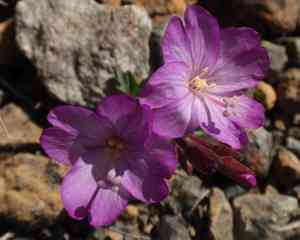
Siskiyou willowherb (Epilobium siskiyouense)
Also known as: Siskiyou Willow-herb
Siskiyou willowherb (Epilobium siskiyouense) is a rare flowering herb that can only be found in the wild growing mainly in the wetlands of the Klamath Mountains of northern California and southern Oregon. This perennial produces an attractively bright pink flower. From a conservation perspective, siskiyou willowherb is classed as "rare, threatened, or endangered in California and elsewhere."
In This Article
Attributes of Siskiyou willowherb
Lifespan
Perennial
Plant Type
Herb
Plant Height
30 to 60 centimeters
Spread
10 to 20 centimeters
Leaf Color
Green
Flower Size
1 to 2 centimeters
Flower Color
Pink to Purple
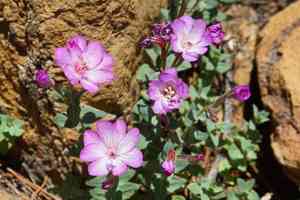
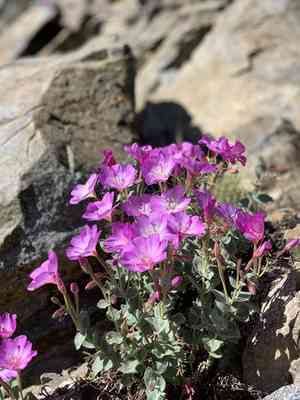
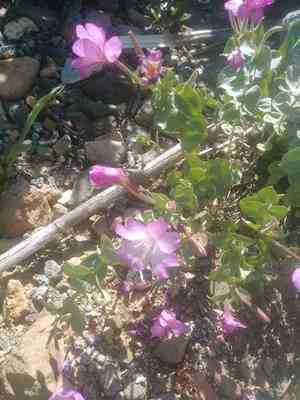
Images of Siskiyou willowherb
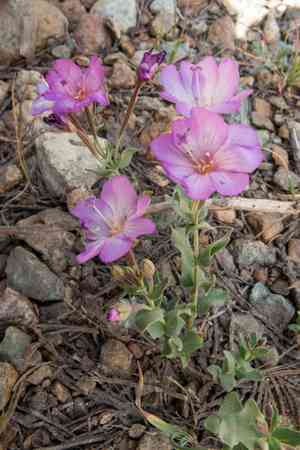
Quickly Identify Siskiyou willowherb
1
Identifying Epilobium siskiyouense involves looking at its narrow, lanceolate leaves and small, pink to purple flowers with four petals. The plant typically has a slender, upright growth habit.
Scientific Classification of Siskiyou willowherb
Phylum
Vascular plants
Class
Dicotyledons
Order
Myrtales
Family
Evening primrose
Genus
Willowherbs
Species
Siskiyou willowherb
Planting and Growing of Siskiyou willowherb
Care Difficulty
Moderate
Watering Schedule
Every 4 days
Sunlight Requirements
Full sun
Sunshine Duration
4-8 hours
Ideal Temperature
60-75℉
Soil Type
Potting Mix, Peat Mix
Soil pH
6.5-7.5
Fertilizer Type
Balanced
Pruning Season
Spring, Summer
Pruning Area
Leaves, Branches
Pruning Frequency
2 times a year
Repotting Season
Spring
Pot Type
Plastic, Ceramic
 How to Water Siskiyou willowherb?
Epilobium siskiyouense requires about 250 milliliters of water per session. Water thoroughly, ensuring the soil is moist but not waterlogged, while allowing the top layer to dry slightly between waterings to mimic its natural semi-arid habitat.
What are the symptoms of an underwatered Siskiyou willowherb?
›
What should I do if my Siskiyou willowherb is not getting enough water?
›
What are the symptoms of an overwatered Siskiyou willowherb?
›
How to save an overwatered Siskiyou willowherb?
›
 What Are the Sunlight Requirements for Siskiyou willowherb?
Epilobium siskiyouense thrives in environments offering 6-8 hours of sunlight daily, ideally in full sun conditions. Such light exposure ensures vigorous growth, prolific flowering, and efficient energy utilization, enhancing the plant's overall vitality.
What is the ideal sunlight exposure for Epilobium siskiyouense?
›
How can I provide optimal lighting conditions for Epilobium siskiyouense?
›
What benefits does ideal sunlight have on Epilobium siskiyouense?
›
 What Is the Ideal Temperature Range for Siskiyou willowherb?
The ideal temperature range of 60 to 75°F is crucial for the optimal growth and development of Epilobium siskiyouense. This range ensures that the plant's metabolic processes such as photosynthesis and respiration function effectively. Maintaining these conditions helps avoid stress and promotes healthy blooms and foliage.
 What Soil is Best for Siskiyou willowherb?
Epilobium siskiyouense thrives in soil that provides excellent drainage, ensuring roots receive adequate oxygen and reducing the risk of root rot. Ensuring proper drainage supports healthy root development and prevents waterlogging, allowing the plant to flourish. This plant benefits from a nutrient-rich soil that can provide essential minerals and nutrients such as nitrogen, phosphorus, and potassium, contributing to its robust growth and vibrant foliage. While good drainage is essential, Epilobium siskiyouense also requires soil that retains enough moisture to sustain plant health without becoming waterlogged. Maintaining this balance supports consistent growth and prevents water stress.
 How to Fertilize Siskiyou willowherb?
For Epilobium siskiyouense, using a balanced liquid fertilizer is key. Apply approximately half the recommended amount indicated on the packaging per application, ensuring not to overwhelm the plant's root system.
 How to Prune Siskiyou willowherb?
Ensure your pruning tools are sterilized before use. This is critical for preventing the introduction of pathogens to the plant. Use a cloth soaked in isopropyl alcohol to clean your shears or scissors thoroughly before making any cuts. Avoid cutting off buds that will soon bloom. Inspect the plant carefully and identify areas where new growth or blooms are set to emerge. Pruning these areas prematurely can lead to reduced flowering, impacting the overall display of your plant. After pruning, it is important to collect and dispose of the pruned debris. Leaving plant material around the base can attract pests or contribute to the spread of disease. This ensures the ground around your plant remains clear and well-maintained.
More About Pruning Techniques→
 How to Propagate Siskiyou willowherb plant?
1
Gather seeds from mature Epilobium siskiyouense plants during late summer. Allow seed pods to dry naturally before separating seeds for propagation. Store the seeds in a cool, dry place until spring sowing.
2
Select healthy stems from the plant and cut 4-6 inch sections just below a node. Remove the lower leaves to expose nodes, which promote root growth, and dip the cut ends into rooting hormone to encourage rooting.
3
In early spring, carefully dig up the parent plant and separate it into smaller sections, ensuring each division has a viable root system. Replant divisions promptly at the same depth they were growing previously.
 How to Repot Siskiyou willowherb plant?
1
Epilobium siskiyouense indicates its need for repotting when it outgrows its current pot, or roots become visible through the drainage holes. Signs like stunted growth or poor flowering also suggest it’s time for a new pot.
2
Choose a pot that is 2 inches wider in diameter than the current one, with sufficient drainage holes. This size ensures enough room for growth without overwhelming the plant, and proper drainage prevents root rot.
3
Opt for a well-draining potting mix that can retain moisture yet allow excess water to escape. This mix is crucial for Epilobium siskiyouense to prevent waterlogged roots while ensuring adequate hydration.
Learn More About Siskiyou willowherb Diseases
Anthracnose
Bacterial Leaf Spot
Bacterial Soft Rot
Bacterial Wilt
Chemical Injury
Crown Gall
Cyst Nematode
Damping-off
Downy Mildew
Drought Stress
Fusarium Wilt
Gray Mold
Leaf Curl
Leaf Spot
Mosaic
Nutrient Deficiency
Nutrient Toxicity
Powdery Mildew
Root Rot
Root-knot Nematode
Rusts
Sooty Mold
Spider Mites
Temperature Stress
Thrips Damage
White Mold



