How to Transplant Barrier saltbush?
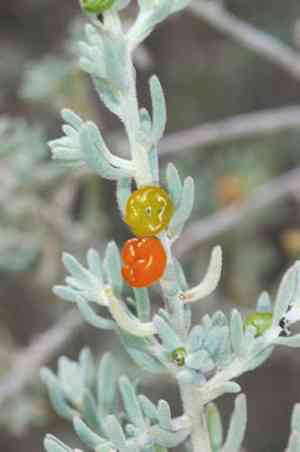
Relocate barrier saltbush from the beginning of spring's warmth to the onset of summer's flowering for vigorous development. Select locations offering excellent drainage and ample sunlight. Should it be required, amend the soil beforehand to guarantee optimal results.
Essential Preparations Before Relocating Barrier Saltbush
Optimal Period for Moving Barrier Saltbush?
The best time to move barrier saltbush is from early spring through mid-spring. This timeframe allows roots to establish before the summer heat. Relocating barrier saltbush during this window helps them adjust to their new spot in gentler conditions, promoting strong development. It's a great opportunity for them to flourish without extreme weather stress. Every scoop of earth you turn holds the promise of a thriving future for your barrier saltbush!
Recommended Spacing Between Barrier Saltbush Plants?
When arranging your lovely barrier saltbush plants, ensure they have plenty of room! Position them at an optimal distance of about 12-20 inches (30-50 cm) apart. This provides each plant sufficient space to thrive without overcrowding.
Best Soil Mixture for Barrier Saltbush Relocation?
Your barrier saltbush will feel perfectly at home in well-draining soil enhanced with a touch of magic â some slow-release fertilizer! Before planting, blend in this enriching amendment to give them a head start towards a vibrant future.
Where to Replant Your Barrier Saltbush?
Locate a sunny spot that receives at least 6 hours of direct sunlight daily for your barrier saltbush. These sun-loving plants require warmth and light to flourish and display their beauty!
Equipment Needed Before Transplanting Barrier Saltbush?
Gardening Gloves
To safeguard your hands while handling soil and plants.
Spade or Shovel
For excavating the plant and preparing the new planting site.
Watering Can or Hose
To thoroughly hydrate the plant before and after relocation.
Pruning Shears
For trimming roots if necessary when extracting from the original spot.
Wheelbarrow or Garden Cart
To move the plant and soil to its new position.
Measuring Tape
To ensure proper distances when spacing out plants.
Stakes or Plant Supports
To help the plant stay upright and stable post-transplant.
How to Extract Barrier Saltbush from the Ground?
How to Extract Barrier Saltbush from the Ground?
From Ground: First, water the barrier saltbush plant to moisten the soil. Then, dig a wide trench around the plant with a spade or shovel, ensuring the root ball remains intact. Carefully work the tool beneath the root ball to lift the plant from the ground.From Pot: Begin by watering the barrier saltbush to facilitate removal. Turn the pot on its side and gently tap or press the edges to loosen the soil and roots. Gradually ease the plant out, supporting the root ball to prevent damage.From Seedling Tray: Water the seedlings to ensure soil cohesion. Use a small tool or stick to carefully lift the seedling from the tray, making sure to include the root structure and surrounding soil.
Step-by-Step Guide for Relocating Barrier Saltbush
Preparation
Ensure all necessary tools are ready and the new planting site is prepared.
Removal
Depending on where your barrier saltbush is situated, follow the provided instructions for carefully removing your plant, preserving the root ball's integrity.
Hole Digging
At the new location, excavate a hole twice the width of the root ball. The hole should be as deep as the root ball's height.
Placement
Position the barrier saltbush in the center of the hole, ensuring it sits at the same level it was growing previously. Adjust the depth if needed by adding or removing soil.
Soil Refill
Backfill the hole with the excavated soil, gently firming around the base to eliminate air pockets. Water thoroughly to settle the soil.
Staking
If the barrier saltbush is somewhat top-heavy or exposed to strong winds, stake the plant for additional support, avoiding any damage to the root system.
Post-Transplant Care for Barrier Saltbush
Initial Watering
After transplanting, water the barrier saltbush thoroughly to help reduce transplant shock and settle the soil.
Mulching
Apply a layer of organic mulch around the base of barrier saltbush to retain moisture and regulate soil temperature.
Observation
Monitor the barrier saltbush for signs of stress such as wilting or yellowing leaves and respond appropriately.
Pruning
Trim any dead or damaged branches to encourage healthy growth and shape your barrier saltbush if necessary.
Addressing Common Issues with Barrier Saltbush Relocation.
When is the best time to transplant barrier saltbush?
The optimal transplanting period is from early to late spring, offering mild temperatures for barrier saltbush to establish.
What spacing is recommended between barrier saltbush plants?
Ideal spacing for barrier saltbush is 12-20 inches (30-50 cm), ensuring ample room for growth and air circulation.
How deep should the hole be for transplanting barrier saltbush?
Dig a hole twice as wide and the same depth as the root ball of barrier saltbush for optimal growth.
Can barrier saltbush be transplanted in the summer or fall?
Transplanting barrier saltbush in summer or fall is not ideal due to stress from heat or cold.
Why is my barrier saltbush wilting after transplanting?
Wilting post-transplant can indicate shock. Ensure proper watering and avoid direct, intense sunlight for a few days.
How often should I water barrier saltbush after transplanting?
Water barrier saltbush generously right after transplanting, then adjust to normal watering once established.
Should I fertilize barrier saltbush when transplanting?
Skip the fertilizer initially to avoid burning the roots. Consider a mild application after barrier saltbush stabilizes.
What soil type is best for transplanting barrier saltbush?
A well-draining, sandy soil with a slight lean towards alkalinity is ideal for barrier saltbush.
How do I handle root-bound barrier saltbush during transplanting?
Gently tease apart the roots of barrier saltbush before planting to encourage outward growth.
Can I transplant barrier saltbush on a windy day?
Avoid windy days for transplanting barrier saltbush to prevent moisture loss and additional stress on the plant.



