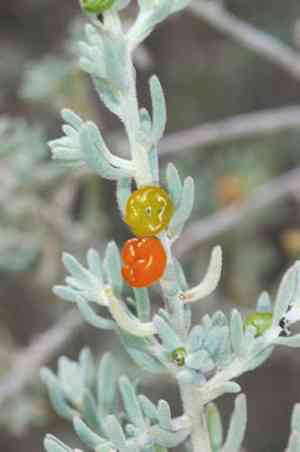
Barrier saltbush (Enchylaena tomentosa)
Also known as: Ruby Saltbush
Barrier saltbush (Enchylaena tomentosa), a plant native to Australia, serves as a crucial food source for livestock during drought periods. Indigenous Australians also incorporated it into their diet. Emus play a significant role in spreading its seeds across vast areas as they roam in search of sustenance.
In This Article
Attributes of Barrier saltbush
Lifespan
Perennial
Plant Type
Shrub
Plant Height
10 cm to 2 m
Spread
1 m
Leaf Color
Silver-green
Flower Size
Not significant
Flower Color
White
Images of Barrier saltbush
Quickly Identify Barrier saltbush
1
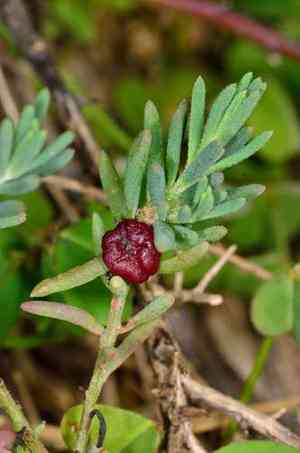
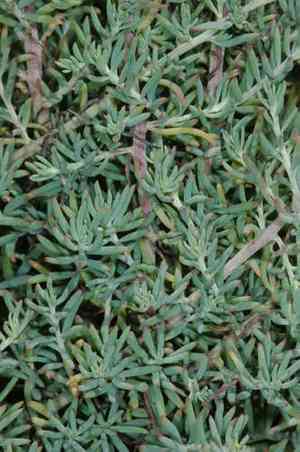
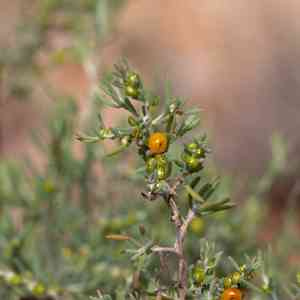
Enchylaena tomentosa can be identified by its small, succulent leaves that are covered in fine hairs, giving the plant a silvery appearance. The plant produces small, round fruits that turn ruby red or golden yellow when ripe.
Scientific Classification of Barrier saltbush
Phylum
Vascular plants
Class
Dicotyledons
Order
Caryophyllales
Family
Amaranth
Genus
Saltbush
Species
Barrier saltbush
Planting and Growing of Barrier saltbush
Care Difficulty
Easy
Watering Schedule
Every 2 days
Sunlight Requirements
Full sun
Sunshine Duration
6-12 hours
Ideal Temperature
60-75℉
Soil Type
Potting Mix, Peat Mix
Soil pH
6.5-7.5
Fertilizer Type
Balanced
Pruning Season
Spring, Summer
Pruning Area
Branches, Leaves
Pruning Frequency
2 times a year
Repotting Season
Spring
Pot Type
Plastic, Terracotta
 How to Water Barrier saltbush?
Enchylaena tomentosa prefers a watering regimen that allows the soil to almost dry out completely between waterings. Aim to provide approximately 250 milliliters of water each time, ensuring that the soil becomes moderately moist but not waterlogged.
What are the symptoms of an underwatered Barrier saltbush?
›
What should I do if my Barrier saltbush is not getting enough water?
›
What are the symptoms of an overwatered Barrier saltbush?
›
How to save an overwatered Barrier saltbush?
›
 What Are the Sunlight Requirements for Barrier saltbush?
Enchylaena tomentosa flourishes with full sun to partial sun exposure. The benefits include enhanced photosynthesis, leading to strong growth, healthier foliage, and increased resilience against pests and diseases.
More About Sunlight Requirements Techniques→
What is the ideal light condition?
›
How to achieve ideal lighting conditions?
›
What are the benefits of ideal lighting?
›
 What Is the Ideal Temperature Range for Barrier saltbush?
For successful growth of Enchylaena tomentosa, it is crucial to maintain temperatures between 60°F to 75°F. This range ensures optimal physiological processes such as photosynthesis and nutrient uptake. A stable temperature within this range minimizes stress and promotes healthy plant development.
 What Soil is Best for Barrier saltbush?
Enchylaena tomentosa thrives in well-draining soil conditions that prevent waterlogging, which can lead to root rot. This characteristic is crucial for plant health, as it ensures aeration of the root zone and facilitates optimal nutrient uptake. While Enchylaena tomentosa can tolerate poor soil, moderate nutrient content enriches its growth and vitality. This level of fertility supports steady growth and enhances the plant's resilience against pests and diseases. A soil pH between 6.5 and 7.5 is ideal for Enchylaena tomentosa, helping maintain balanced nutrient availability. This pH range avoids complications associated with extreme pH levels, such as nutrient lockout or toxicity.
 How to Fertilize Barrier saltbush?
For Enchylaena tomentosa, apply a balanced liquid fertilizer at a dilution rate of one-quarter strength during the growing season. Use approximately 5ml per liter of water to ensure adequate nutrient supply without overwhelming the plant.
 How to Prune Barrier saltbush?
To prune Enchylaena tomentosa, begin by identifying the oldest and woodiest stems, as removing these will help rejuvenate the plant. Use clean, sharp tools to make clean cuts, avoiding any ragged edges that could invite disease. Focus on creating a balanced shape to enhance its natural form while allowing sunlight to reach the inner foliage. During the plant's early years, formative pruning helps establish a strong framework. Select a few main stems to act as the plant’s structure and remove any crossing branches or those growing at awkward angles. This not only improves the plant's appearance but also enhances airflow and light penetration, both critical to optimal growth.
More About Pruning Techniques→
 How to Propagate Barrier saltbush plant?
1
Use a mixture of sand and potting soil to fill your seed tray or pots. This mix provides good drainage while retaining enough moisture for the seeds or cuttings to develop roots.
2
Sow Enchylaena tomentosa seeds on the surface of the soil mix and lightly cover them. It's important not to bury them deeply; they need light to germinate.
3
Cut a healthy section of the plant just below a node. Remove the lower leaves and dip the cut end in rooting hormone to encourage faster root growth.
 How to Repot Barrier saltbush plant?
1
Enchylaena tomentosa shows signs that it needs repotting when you notice roots emerging from the drainage holes or the plant's growth has noticeably slowed down. Another sign is when the soil degrades or compacts excessively. These signals are cues to consider giving your plant a new home with fresh soil.
2
Select a pot that is slightly larger than the current one, ensuring that it has adequate drainage holes. A pot that is too large can retain too much moisture, which may lead to root rot. The material of the pot is equally important; clay pots help in maintaining dry conditions, ideal for this plant species.
3
The best soil for Enchylaena tomentosa is a mix that accommodates excellent drainage while preserving minimal moisture. Opt for a sandy soil mix, which prevents waterlogging, and is ideal for mimicking its natural environment. This supports healthy root development and reduces the risk of fungal issues.
Learn More About Barrier saltbush Diseases
Anthracnose
Bacterial Leaf Spot
Bacterial Soft Rot
Chemical Injury
Damping-off
Downy Mildew
Drought Stress
Fusarium Wilt
Gray Mold
Leaf Spot
Mosaic
Nutrient Deficiency
Nutrient Toxicity
Powdery Mildew
Root Rot
Root-knot Nematode
Rusts
Sooty Mold
Spider Mites
Temperature Stress
Thrips Damage
White Mold



