How Much Sunlight Do Barrier saltbush Need?
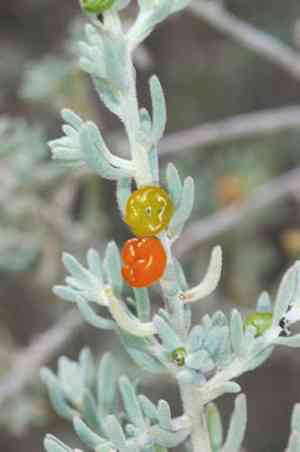
1
Barrier saltbush flourishes optimally in bright, direct sunlight, needing over 6 hours of sun each day.
2
Insufficient light leads to stunted development and fragile leaves, increasing your Barrier saltbush's vulnerability to illnesses.
3
Choosing an appropriate garden spot and possibly employing supplemental lighting can guarantee ideal sun exposure for your Barrier saltbush.
Grasping Light Requirements for Barrier Saltbush
Sunlight Categories: Full Sun vs. Partial Shade
For Barrier saltbush, understanding its light needs is vital. Full sun means a spot gets at least six hours of direct sunlight daily. Partial shade implies 3-6 hours of direct sun or consistent filtered light. Barrier saltbush flourishes in full sun, leading to vigorous growth and vibrant foliage.
Impacts of Insufficient Light
If your Barrier saltbush lacks adequate sunlight, you might observe signs of stress. This can include stunted development, sparse leaves, and diminished overall health, making it more susceptible to pests and diseases. Ensuring sufficient light is crucial for its vitality and longevity.
Optimal Light Conditions for Barrier Saltbush
Ideal Daily Sunlight Duration
For peak growth, Barrier saltbush needs over six hours of direct sunlight daily. This exposure aids efficient photosynthesis, promoting strong growth and health. In areas with intense summer heat, monitor for stress and offer afternoon shade if necessary.
Seasonal Light Fluctuations
Sunlight exposure changes with seasons. In winter, days are shorter, meaning less light. While Barrier saltbush is tough and can handle brief periods of lower light, consistent year-round sun encourages steady growth. Consider moving potted plants or pruning nearby trees to maintain optimal light.
Ensuring Proper Light for Barrier Saltbush
Choosing the Right Garden Spot
Selecting the correct garden location is key for Barrier saltbush to get enough light. Pick a spot with morning to mid-afternoon sun. Avoid areas shaded by structures or large trees. If space is limited, use planters or raised beds to maximize sun exposure.
Supplementing with Artificial Illumination
When natural sunlight is scarce, artificial lighting can supplement. Full-spectrum grow lights, mimicking natural sun, are very effective. Position them 30-45 cm (12-18 inches) from the plant and run them for 12-16 hours daily to compensate for natural light deficits.
Common Light-Related Problems and Solutions
Indicators of Excessive Sunlight
Though Barrier saltbush thrives in full sun, too much, especially in hot climates, can cause leaf scorch, where leaf edges turn brown and crisp. If this occurs, consider providing partial shade during the hottest part of the day or increasing watering to help the plant cope.
Indicators of Insufficient Sunlight
Too little sunlight can lead to leggy growth, where the plant stretches towards light, becoming weak and thin. Leaves may yellow and drop, and growth can slow. If these signs appear, move your plant to a brighter spot or use artificial lighting to boost light exposure.
Adjusting Light Exposure
To modify your Barrier saltbushâs light exposure, observe it throughout the day and adjust its position to ensure it gets the recommended amount. If outdoor conditions are unpredictable, shade cloths can manage excessive sun, while artificial lights can help during cloudy periods.
FAQs Regarding Barrier Saltbush Light Needs
Can Barrier Saltbush Flourish in Dim Conditions?
While resilient, Barrier saltbush cannot thrive in low light. Extended periods of dimness can impede its growth and weaken its structure. Always aim for at least six hours of direct sunlight to keep your plant healthy and robust.
What Time of Day is Best for Sunlight?
Morning to mid-afternoon sunlight is ideal for Barrier saltbush. Morning sun is less intense, providing a perfect boost for photosynthesis without scorching. In regions with very hot afternoons, offering light shade during peak hours can protect the plant.



