The Barrier saltbush Plant Advantage: Maximizing Home and Office Appeal and Wellness
1
Barrier saltbush offers significant advantages for soil well-being due to its natural resilience.
2
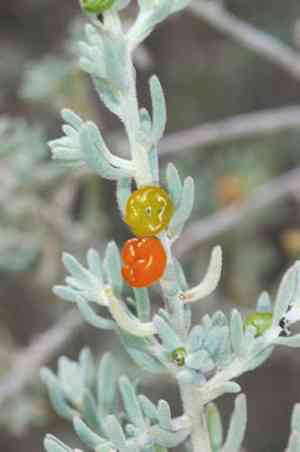
Local fauna flourishes on Barrier saltbush because of its nutritious fruits.
3
Barrier saltbush proves useful in restoring damaged environments.
How Does Barrier saltbush Improve Soil Health?
Natural Saline Tolerance
Barrier saltbush naturally thrives in salty conditions, making it perfect for areas with high soil salt levels. Its inherent salt resistance helps prevent soil damage by stabilizing the ground and lowering salinity. This eventually leads to balanced pH, promoting healthier soil.
Soil Stabilization
The deep root system of Barrier saltbush is crucial for soil stability. These roots penetrate dense soils, breaking them up and enhancing air circulation. This not only prevents erosion but also improves water absorption, benefiting nearby plants and fostering a more stable ecosystem.
Why Is Barrier saltbush Essential for Wildlife?
Nutrient-Rich Berries
The berries produced by Barrier saltbush are a vital food source for local wildlife, especially birds. These berries are packed with essential nutrients, providing nourishment during harsh times when food is scarce. This makes Barrier saltbush a key part of the food chain in dry regions.
Habitat Provision
Beyond food, Barrier saltbush offers refuge and nesting spots for various animals. Its dense foliage provides protection from predators and severe weather, essential for maintaining biodiversity. Additionally, this plant serves as a home for insects, which in turn supports a healthy food web.
How Does Barrier saltbush Aid in Land Rehabilitation?
Erosion Control
Barrier saltbush is widely used in land restoration projects due to its exceptional ability to control erosion. Its extensive root system binds the soil, reducing displacement caused by wind and water. This is particularly helpful in damaged landscapes where soil erosion is widespread.
Restoration of Degraded Landscapes
Planting Barrier saltbush in degraded areas initiates the restoration process. It improves soil structure and fertility over time, creating a favorable environment for reintroducing other plant species. This gradual improvement in soil health sets the stage for revitalizing entire ecosystems.
What Are Practical Uses of Barrier saltbush in Agriculture?
Livestock Fodder
Barrier saltbush serves as a valuable feed plant for livestock, especially during dry spells. Its leaves have high nutritional value, making it an excellent supplement in animal diets. Farmers in arid regions often depend on Barrier saltbush to sustain their livestock through difficult seasons.
Mulch and Organic Matter
The leaves and branches of Barrier saltbush can be used as mulch, contributing organic matter to the soil. When they decompose, they release nutrients back into the ground, enriching the soil and boosting fertility. This natural form of organic matter supports sustainable farming practices.
How Barrier saltbush Supports Sustainable Landscapes?
Reduced Water Requirement
Barrier saltbush is highly drought-tolerant, needing minimal water once established. This makes it a sustainable choice for landscaping in arid environments, reducing the need for irrigation and conserving water resources.
Low Maintenance
Compared to other plants, Barrier saltbush requires very little upkeep, thriving with minimal intervention. Its hardiness reduces the need for chemical fertilizers and pesticides, promoting a more eco-friendly approach to land management.



