How to Transplant Blue bunch wheat grass?
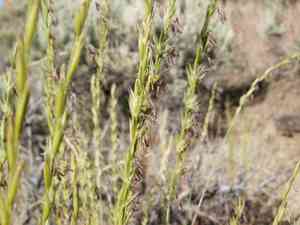
Blue bunch wheat grass is best relocated from the beginning to the middle of spring, as weather conditions are most favorable then. Select a bright spot with soil that drains effectively; steer clear of waterlogged zones. By following these guidelines, your blue bunch wheat grass will flourish splendidly.
What Preparations are Needed Before Transplanting Blue Bunch Wheat Grass?
What is the Ideal Time for Transplanting Blue Bunch Wheat Grass?
The best season for relocating blue bunch wheat grass is from early to late spring. This period provides balanced temperatures and increased soil moisture, vital elements that aid the establishment of blue bunch wheat grass. Strategic replanting at this time ensures the plant has sufficient time to root before the intense summer heat, boosting its resilience and development.
How Much Space Should You Leave Between Blue Bunch Wheat Grass Plants?
When relocating blue bunch wheat grass, ensure a spacing of 12-18 inches (30-45 cm) between plants. This provides ample room for them to grow and thrive without becoming overcrowded.
What is the Best Soil Mix for Blue Bunch Wheat Grass Transplanting?
Prepare well-draining soil enriched with compost for blue bunch wheat grass. They flourish in sandy or loamy soil supplemented with a balanced base fertilizer, ideally a 10-10-10 (N-P-K) formula.
Where Should You Relocate Your Blue Bunch Wheat Grass?
Select a sunny spot for blue bunch wheat grass, as they require full sun to prosper. Aim for an area that receives at least 6 hours of direct sunlight daily.
What Equipments Should You Prepare Before Transplantation Blue Bunch Wheat Grass?
Gardening Gloves
To safeguard your hands while handling soil and plants.
Small Shovel or Trowel
For digging up the plant and creating a new planting hole.
Watering Can
To hydrate the plant before and after its relocation.
Pruning Shears
To trim any damaged roots or foliage.
Bucket or Tray
For moving the plant if necessary.
How Do You Remove Blue Bunch Wheat Grass from the Soil?
How Do You Remove Blue Bunch Wheat Grass from the Soil?
From Ground: First, moisten the blue bunch wheat grass plant to dampen the soil. Then, excavate a wide trench around the plant using a shovel or spade, ensuring the plant's root ball remains intact. Carefully work the spade beneath the root ball to lift the plant from its original spot.From Pot: Gently water the blue bunch wheat grass plant a day prior to removal to soften the soil. Invert the pot and tap its bottom and sides to loosen the plant. Carefully extract the plant by holding the stem's base and sliding it out, keeping the root ball whole.From Seedling Tray: Water the seedlings to facilitate removal. Use a small trowel or spoon to gently lift each seedling while supporting the root ball. Handle seedlings by their leaves, not stems, to prevent damage.
Step-by-Step Guide for Transplanting Blue Bunch Wheat Grass
Site Preparation
Prepare the new planting location by digging a hole twice as wide and as deep as the blue bunch wheat grass plant's root ball.
Hole Inspection
Verify the depth of the hole by placing the blue bunch wheat grass plant in it. The top of the root ball should be level with the surrounding soil.
Plant Placement
Position the blue bunch wheat grass plant in the hole, ensuring it is upright and centered.
Backfilling
Gently refill the hole with soil, firming it around the root ball to eliminate air pockets.
Watering
Thoroughly water the blue bunch wheat grass plant to settle the soil and provide moisture to the roots.
How Do You Care For Blue Bunch Wheat Grass After Transplanting?
Watering
Keep the soil around the blue bunch wheat grass consistently moist, but not waterlogged, for the initial weeks after transplanting to aid in establishing strong roots.
Mulching
Apply a layer of mulch around the base of the blue bunch wheat grass plant to retain moisture and reduce weed competition.
Monitoring
Regularly inspect the blue bunch wheat grass plant for signs of stress, such as wilting or yellowing leaves, and address any issues promptly.
Support
Consider using stakes or supports if the blue bunch wheat grass plant is tall or floppy until it has re-established itself in the new location.
Troubleshooting Common Issues with Blue Bunch Wheat Grass Transplantation.
When is the best time to transplant blue bunch wheat grass?
The optimal period to relocate blue bunch wheat grass is from early to late spring for superior outcomes.
How far apart should blue bunch wheat grass be spaced?
Space blue bunch wheat grass plants 12-18 inches (30-45 cm) apart to ensure proper development.
How do I prepare the soil for transplanting blue bunch wheat grass?
Loosen the soil to a depth of 10 inches (25 cm) and incorporate compost.
What should I do if the soil is clay-heavy?
Amend clay-heavy soil with sand and compost to enhance drainage before relocating blue bunch wheat grass.
How much water does blue bunch wheat grass need after transplanting?
Water blue bunch wheat grass immediately after transplanting and maintain moist soil for the first few weeks.
How can I protect newly transplanted blue bunch wheat grass from pests?
Utilize organic mulch around blue bunch wheat grass to deter pests and regularly check for insect damage.
Should I fertilize blue bunch wheat grass after transplanting?
Apply a balanced fertilizer sparingly after relocating blue bunch wheat grass to avoid stressing the plant.
What if blue bunch wheat grass appears wilted after transplanting?
Ensure blue bunch wheat grass is adequately hydrated and consider using a shade cloth to lessen transplant shock.
Can I transplant blue bunch wheat grass in full sunlight?
Yes, blue bunch wheat grass thrives in full sunlight but ensure it's well-watered to prevent dehydration.
How do I handle the roots when transplanting blue bunch wheat grass?
Handle the roots gently and keep as much soil around them as possible to prevent harm.



