How to Propagate Blue bunch wheat grass?
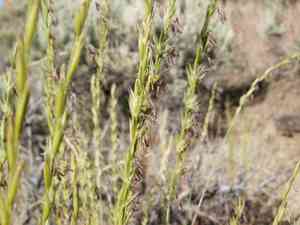
Effective propagation of blue bunch wheat grass is achieved via division, which fosters robust development and expands the plant inventory. For optimal outcomes, division should focus on robust segments. Densely packed clusters can be separated, preferably with a sharp shovel to reduce root damage, ensuring every divided portion possesses sufficient roots and shoots for successful replanting.
When Is the Optimal Time to Propagate Blue Bunch Wheat Grass?
Propagation Method
Division
Propagation Period
Spring,Autumn
What Implements Are Utilized in Blue Bunch Wheat Grass Propagation?
Garden Spade
A garden spade is essential for excavating and lifting earth during the separation of blue bunch wheat grass. Its sharp, flat edge enables precise cuts through the soil to effectively divide root clumps. This tool is particularly advantageous for ensuring clean cuts through the root system, which is vital for the health and regrowth of blue bunch wheat grass.
Pruning Shears
Pruning shears are employed to trim and tidy the divided portions of blue bunch wheat grass prior to replanting. The sharp, clean cuts made by pruning shears help prevent disease and encourage faster recovery and growth in the plant. They are crucial for removing any damaged or diseased sections of the roots or foliage during the division process.
Rooting Hormone
Rooting hormone can be applied to the severed ends of blue bunch wheat grass's roots to stimulate quicker root development after division. This is especially beneficial for this plant species as it aids in establishing a robust, viable root system that supports successful establishment and growth in a new location.
Watering Can
A watering can with a gentle shower head is recommended to provide even, delicate watering after replanting blue bunch wheat grass. Proper hydration is critical for recovery and establishment post-division, ensuring the soil is consistently moist but not waterlogged to encourage new root growth while preventing root rot.
How to Propagate Blue Bunch Wheat Grass?
Propagation Difficulty
Easy
How to Nurture Your Newly Propagated Blue Bunch Wheat Grass?
How to Nurture Your Newly Propagated Blue Bunch Wheat Grass?
Following propagation, maintain soil moisture, especially during dry periods. Blue bunch wheat grass is drought-tolerant once established, but consistent watering assists during the initial growing season. Apply a thin layer of organic mulch to retain soil moisture and reduce weed competition. Frequent fertilization is unnecessary; apply a balanced, slow-release fertilizer sparingly in the spring if growth appears sluggish. Monitor for pests or diseases, though blue bunch wheat grass is generally resilient once established.
Common Errors to Avoid When Propagating Blue Bunch Wheat Grass
Excessive watering
Overwatering can lead to root rot and fungal infections in blue bunch wheat grass, as its root system is not adapted to constantly wet conditions. This diminishes the plant's capacity to absorb nutrients and can ultimately result in plant demise.
Deep sowing
Blue bunch wheat grass seeds require light for germination. Covering the seeds too deeply with soil can hinder their ability to germinate, significantly reducing propagation success.
Ignoring soil texture
Using soil that is too dense or clayey can impede root growth and drainage for blue bunch wheat grass. This restricts root development and access to oxygen, negatively impacting plant vigor and survival.
Neglecting stratification
Failing to cold stratify blue bunch wheat grass seeds can result in poor germination rates. The seeds of blue bunch wheat grass typically need a period of cold exposure to break dormancy and promote uniform germination.
Tips For Propagating Blue Bunch Wheat Grass
Surface sowing
Disperse blue bunch wheat grass seeds on the surface of a well-draining soil mix and gently press into the substrate without fully covering them. This helps meet the light requirement necessary for optimal germination.
Cold stratification
Subject blue bunch wheat grass seeds to a period of cold moist conditions (stratification) before planting. This process can be achieved by mixing seeds with a slightly moist medium and refrigerating for about 2-4 weeks, enhancing germination effectiveness.
Moderate watering
Maintain a balance in watering practices. The soil should be kept slightly moist but never saturated. Overwatering can cause the issues mentioned previously, whereas under-watering can prevent germination. Mist the seeds gently if necessary.
Soil amendment
Incorporate organic material or use a well-aerated, loose potting mix when planting blue bunch wheat grass. Improving soil texture aids in providing the necessary oxygen levels for root development and supports better water drainage.



