The Blue bunch wheat grass Plant Advantage: Maximizing Home and Office Appeal and Wellness
1
Blue bunch wheat grass is vital for stabilizing soil and preventing its loss.
2
It offers superior food for wild animals and farm animals.
3
This plant tolerates dry conditions well, making it perfect for dry areas.
Improving Soil Quality
How Does Blue bunch wheat grass Prevent Soil Erosion?
A key characteristic of Blue bunch wheat grass is its extensive root network, which is crucial for stabilizing soil. These roots bind soil particles, greatly decreasing the chance of erosion. This is especially useful on sloped or uneven terrain where soil loss can lead to nutrient depletion and reduced agricultural output. By planting Blue bunch wheat grass in such areas, you can maintain soil fertility and boost your land's overall health.
What Are the Nutrient Benefits?
Blue bunch wheat grass not only stabilizes soil but also enhances its nutrient content. The plant's organic matter, upon decomposition, returns vital nutrients to the soil. This organic material improves soil structure, water retention, and microbial activity, fostering a healthier root environment for nearby plants. Gardeners and farmers can benefit from reduced fertilizer needs and better crop yields by integrating Blue bunch wheat grass into their land management strategies.
Supporting Wildlife and Livestock
Why is Blue bunch wheat grass a Great Forage Plant?
Blue bunch wheat grass serves as an excellent food source for both wild animals and domestic livestock. Its high nutritional value makes it a preferred feed for grazing animals like deer, elk, and cattle. The plant provides essential nutrients during critical times, particularly in dry and semi-arid regions where other forage options might be scarce. By cultivating Blue bunch wheat grass, farmers and land managers can ensure a consistent and reliable food supply for their animals, improving overall herd health and productivity.
How Does Blue bunch wheat grass Benefit Local Ecosystems?
Beyond providing forage, Blue bunch wheat grass significantly contributes to local ecosystems by offering habitat and refuge for various wildlife species. Its dense foliage provides protection and nesting sites for birds and small mammals, promoting biodiversity. By supporting a range of animal life, Blue bunch wheat grass helps maintain ecological balance, making it an invaluable addition to restoration efforts aimed at revitalizing native habitats.
Water Efficiency and Drought Tolerance
How Does Blue bunch wheat grass Thrive in Dry Conditions?
One of the most impressive aspects of Blue bunch wheat grass is its resistance to drought. Its deep root system allows it to access water stored deep within the soil, enabling it to survive and flourish even during extended dry periods. This makes Blue bunch wheat grass an ideal plant for xeriscapingâan innovative landscaping approach designed for water conservation. Whether you're aiming to create a sustainable garden or manage a large-scale restoration project, Blue bunch wheat grass offers the perfect solution for water-efficient landscaping.
What Are the Benefits for Water Conservation?
With water resources becoming increasingly limited, the importance of drought-tolerant plants cannot be overstated. By incorporating Blue bunch wheat grass into your landscape, you can significantly reduce your water consumption without sacrificing greenery. This not only conserves precious water resources but also lowers maintenance efforts and costs associated with irrigation. Homeowners and environmentalists alike can benefit from the sustainability and efficiency provided by Blue bunch wheat grass.
Versatility in Landscaping
How Can Blue bunch wheat grass Be Used in Different Landscapes?
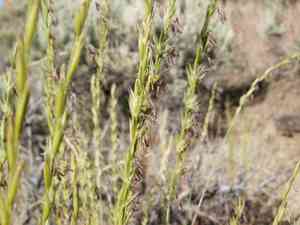
The adaptability of Blue bunch wheat grass allows it to be incorporated into various landscaping designs. Its aesthetic appeal, combined with its hardiness, makes it suitable for residential gardens, public parks, and extensive rural projects. The plant's tall, slender stalks and distinctive seed heads add visual interest, making it a favorite among landscape architects and gardeners seeking both beauty and practicality.
What Are Some Practical Applications?
Practical uses for Blue bunch wheat grass are numerous and varied. In urban environments, it can be used to create low-maintenance green spaces that require minimal water and care. In agricultural settings, it serves as a valuable cover crop that improves soil health and reduces erosion. Additionally, Blue bunch wheat grass is frequently utilized in roadside revegetation projects to prevent soil erosion and enhance the visual appeal of highways and byways. Its flexibility makes it a valuable tool for anyone looking to improve land management practices while contributing to environmental sustainability.



