How to Transplant Siberian ginseng?
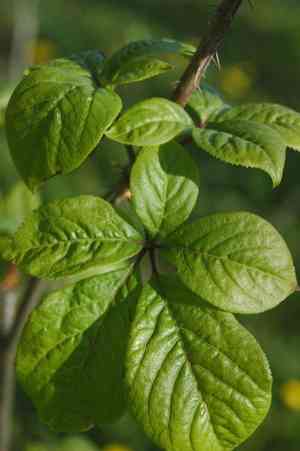
For Eleuthero, the phase from dormancy's end to vigorous development, generally from early spring to summer, presents the perfect window for relocation. Select a sheltered spot with soil that drains effectively to foster strong health. A helpful tip: Sufficient hydration after transplanting ensures a successful transition!
Essential Preparations Before Relocating Siberian Ginseng
Optimal Period for Siberian Ginseng Relocation?
The best time to move siberian ginseng is during the lush growing season, from the last frost's departure until the summer solstice. This timeframe allows siberian ginseng's root systems to become established in mild conditions, fostering strong development before winter's challenges. Shifting siberian ginseng during these months leverages longer days and warming soil, stimulating vigorous growth. Ensuring your siberian ginseng is settled before peak summer heat maximizes its chances of thriving, benefiting from the season's ideal moisture and warmth balance.
Required Spacing Between Siberian Ginseng Plants?
When getting ready for siberian ginseng, provide ample room for each plant to flourish. Aim for a separation of 36-48 inches (91-122 cm). This spacing should guarantee sufficient growth area for both roots and foliage to expand.
Ideal Soil Blend for Siberian Ginseng Transplanting?
For siberian ginseng, you'll want to enrich your soil with aged compost or a balanced organic fertilizer. They prefer soil that drains well and is abundant in organic material. Checking the soil's pH to ensure it's around 5.5-6.5 will create a strong foundation for your plant.
Recommended Location for Siberian Ginseng Relocation?
Select a site for siberian ginseng that receives partial shade to full sun. This plant can tolerate various light conditions, but a spot with morning sun and afternoon shade, or filtered sunlight throughout the day, would be perfect for its development.
Equipment Needed Before Transplanting Siberian Ginseng?
Gardening Gloves
To safeguard your hands while handling soil and the plant.
Shovel or Spade
For excavating the siberian ginseng plant without harming its roots.
Garden Fork
To loosen the soil around the plant for easier extraction.
Watering Can
To hydrate the siberian ginseng before and after its relocation.
Wheelbarrow
To move the siberian ginseng and soil.
Pruning Shears
To trim any damaged roots or leaves.
Mulch
To help maintain soil moisture after the transplant.
How to Extract Siberian Ginseng from the Soil?
How to Extract Siberian Ginseng from the Soil?
From Ground: Hydrate the siberian ginseng plant to moisten the soil. Use a garden fork to gently loosen the soil surrounding the plant to prevent root damage. Employ a shovel or spade to dig a wide circle around the plant, ensuring you preserve most of the root ball. Scoop beneath the root ball to lift the plant from the ground.From Pot: Start by watering the siberian ginseng to facilitate root ball removal. Tilt the pot sideways and gently tap or squeeze its sides to loosen the root ball. Carefully slide the plant out, supporting the stem and root ball with your hands.From Seedling Tray: Dampen the soil in the tray before attempting to remove the seedlings. Use a dibber or a small tool to gently pry the siberian ginseng seedling from its compartment, making sure to keep as much soil around the roots as possible.
Detailed Steps for Transplanting Siberian Ginseng
Preparation
Water the siberian ginseng thoroughly before transplanting to minimize shock and simplify root removal.
Dig appropriate hole
At the new location, excavate a hole twice as wide and the same depth as the siberian ginseng's root ball.
Sheltering
Position the siberian ginseng into the hole, orienting it in the same direction it previously grew for consistent development.
Replanting
Backfill the space around the siberian ginseng's root ball with soil, gently firming it down without excessive compaction, which can impede root growth.
Watering initially
Water the siberian ginseng generously after planting to settle the soil and eliminate air pockets. This ensures good contact between roots and soil.
Supporting
If the siberian ginseng is tall or top-heavy, insert a stake and tie the plant to provide support while it establishes itself.
Mulching
Apply a layer of mulch around the base of the siberian ginseng, leaving space around the stem to prevent rot and to retain moisture.
Post-Transplant Care for Siberian Ginseng
Monitoring
Closely observe the siberian ginseng for indications of stress, such as wilting leaves or discolored foliage, and address any issues promptly.
Watering regimen
After the initial watering, maintain consistent moisture in the soil around the siberian ginseng for several weeks to encourage root establishment.
Stabilizing
Adjust supports as needed if the siberian ginseng is staked, ensuring ties are secure but not overly tight.
Pruning
Remove any dead or damaged branches to direct the siberian ginseng's energy towards developing new growth.
Resolving Common Issues with Siberian Ginseng Transplantation.
When is the best time to transplant siberian ginseng?
For optimal growth, relocate siberian ginseng when the ground thaws in early spring until early summer.
What spacing should I use for siberian ginseng plants?
Plant siberian ginseng at least 36-48 inches (91-122 cm) apart to allow ample room for flourishing.
How deep should the hole be for siberian ginseng transplantation?
Dig a hole twice the width of the root ball and equally deep to ensure a stable foundation.
Should I water siberian ginseng immediately after transplanting?
Yes, water generously to settle the soil and remove air pockets around the roots.
What soil type is best for transplanting siberian ginseng?
Utilize well-drained soil rich in organic matter to foster healthy root development for siberian ginseng.
Can I transplant siberian ginseng on a hot day?
Avoid transplanting on warm days; cooler, overcast conditions reduce transplant shock for siberian ginseng.
Is pruning necessary for siberian ginseng during transplanting?
It's not essential to prune siberian ginseng during relocation. Focus on root establishment.
How can I identify transplant shock in siberian ginseng?
Wilting, yellowing, or dropping leaves may signal transplant shock in siberian ginseng.
Can I use fertilizer when transplanting siberian ginseng?
Delay fertilizing until siberian ginseng exhibits new growth, indicating successful establishment.
What indicates properly watered siberian ginseng after transplanting?
The soil should be moist but not waterlogged, signifying optimal hydration for siberian ginseng.



