How to Propagate Siberian ginseng?
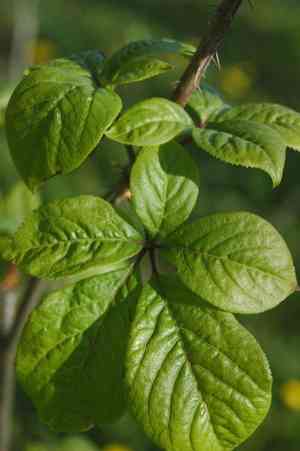
Siberian ginseng greatly benefits from propagation techniques like cuttings, which enable effective multiplication while preserving genetic uniformity. To achieve successful propagation, confirm that the cuttings originate from robust, pathogen-free parent specimens. Employ a rooting stimulant to boost root formation and embed the cuttings in a rich, well-draining substrate blend. Maintaining consistent soil moisture and supplying diffused illumination will additionally aid the rooting process, leading to a high cultivation success rate.
Optimal Period for Siberian Ginseng Propagation
Propagation Method
Cutting
Propagation Season
Autumn,Winter
Tools Required for Siberian Ginseng Propagation
Sharp pruning shears
These shears are vital for obtaining cuttings from siberian ginseng. A precise, clean cut prevents harm to the parent plant and provides a healthy surface on the cutting, crucial for robust root formation. Sharp pruning shears reduce infection risk and boost rooting success.
Rooting hormone powder
This product is used to stimulate root development in siberian ginseng cuttings. Dipping the cut end of the cutting into rooting hormone powder before planting greatly increases the likelihood of successful root growth. This hormone promotes root cell division and protects cuttings from fungal issues during early root formation.
Sterile potting mix
A sterile potting mix ensures siberian ginseng cuttings are placed in a pathogen-free environment, essential for new plant establishment. This medium offers necessary nutrients and structure for initial growth, while being loose enough for proper root penetration and development.
Propagation trays
These trays are used to organize and maintain multiple siberian ginseng cuttings in a controlled setting. They facilitate uniform watering and proper humidity levels, both critical for the rooting process. Choose trays with drainage holes to avoid waterlogging, which can cause decay.
Plastic covers or humidity domes
Plastic covers or humidity domes create a high-humidity microenvironment around siberian ginseng cuttings. High humidity is crucial for preventing cuttings from drying out before roots form. These covers also help maintain stable temperatures, improving rooting success.
Heat mats (optional)
For growers in colder regions, heat mats can be placed under propagation trays to maintain an ideal rooting temperature. This warmth encourages faster root growth in siberian ginseng cuttings, especially beneficial during cooler months.
How to Propagate Siberian Ginseng?
Propagation Type
Moderately Difficult
Caring for Your Newly Propagated Siberian Ginseng
Caring for Your Newly Propagated Siberian Ginseng
Post-propagation, continuously monitor soil moisture, keeping it damp but not saturated. Gradually introduce siberian ginseng to more direct light as it matures. Fertilization should commence only after new growth is established. Ensure protection from extreme temperatures and pests through regular inspections and suitable treatments. Routine pruning will help maintain siberian ginseng's health and form, encouraging more vigorous growth and better disease resistance.
Common Mistakes to Avoid When Propagating Siberian Ginseng
Overwatering
Excessive watering can lead to root rot for siberian ginseng. This plant prefers well-drained soil and tolerates some drought. Overwatering can foster fungal growth, negatively impacting root health and overall plant vitality.
Deep Planting
Planting siberian ginseng cuttings or seedlings too deeply can excessively bury young roots and stems, causing them to suffer from lack of air and potential rot. This can hinder the plant's growth or even result in its demise.
Neglecting Humidity for Cuttings
While siberian ginseng doesn't demand extremely humid conditions, maintaining moderate humidity during cutting propagation improves survival rates. Ignoring this can lead to desiccation and poor root development.
Using Unsterilized Tools
Employing unclean tools for cutting or handling siberian ginseng can introduce pathogens that harm the plant. Bacterial and fungal infections can take hold, severely impacting propagation efforts.
Tips For Propagating Siberian Ginseng
Adequate Drainage
Ensure that soil for siberian ginseng drains well. This helps prevent issues like root rot and supports healthier growth and development.
Use Rooting Hormone
Applying a rooting hormone to siberian ginseng cuttings can significantly boost root development, leading to higher propagation success rates.
Proper Depth Planting
When planting seeds or transplanting siberian ginseng, ensure they are not planted too deeply. A depth of about twice the seed's diameter or the cutting's base is ideal.
Clean Propagation Tools
Always use sterilized cutting tools when taking cuttings or pruning siberian ginseng. This prevents disease spread and ensures healthier cuttings, which are more likely to thrive and root successfully.



