How to Prune Siberian ginseng?
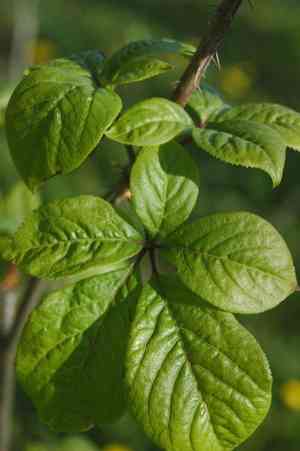
This spiny, leaf-shedding shrub, recognized for its adaptable hardiness, thrives with judicious trimming to preserve its form and foster robust development. For siberian ginseng, conduct pruning in early spring prior to the emergence of new foliage. Eliminate any lifeless or frail stems to improve air movement. Reducing the density of older branches stimulates energetic new sprouts, thereby guaranteeing a well-proportioned framework. Trimming additionally encourages the proliferation of the root system, which is crucial for siberian ginseng's therapeutic qualities.
What Are the Benefits of Pruning Siberian Ginseng?
What Are the Benefits of Pruning Siberian Ginseng?
Trimming siberian ginseng encourages robust development and maintains its desired form, ensuring a strong, healthy plant structure optimal for growth.
What Is the Best Time for Pruning Siberian Ginseng?
What Is the Best Time for Pruning Siberian Ginseng?
Trimming siberian ginseng in early spring is recommended while the plant is still dormant, thereby minimizing stress and lowering the risk of disease or sap loss. This period precedes new growth, allowing for effective shaping and encouraging vigorous development once the growing season begins. Furthermore, removing any dead or damaged wood at this stage enhances the plant's overall health and appearance. Pruning after new growth emerges could result in a loss of flowers or fruits for that year, as siberian ginseng may bloom on the previous year's growth.
What Tools Do I Need to Prune Siberian Ginseng?
Bypass Pruners
Perfect for making precise cuts on the living stems of siberian ginseng without causing unnecessary harm to the plant's tissues.
Loppers
Suitable for reaching into thicker areas of siberian ginseng and cutting larger branches that bypass pruners might not manage, thanks to their longer handles and increased leverage.
Pruning Saw
Essential for removing bigger branches from siberian ginseng that have become too thick for loppers to cut through effectively.
Hand Shears
Useful for shaping and trimming the foliage of siberian ginseng, especially when dealing with thinner, softer stems or leaves.
Gloves
Though not a cutting tool, gloves offer protection when pruning siberian ginseng, safeguarding hands from thorns and rough branches.
How to Prune Siberian Ginseng
Inspection
Thoroughly examine siberian ginseng to identify leaves and branches that are diseased, withered, or dead. This step is vital for targeting the correct areas for pruning without harming healthy growth.
Sanitation
Sanitize pruning tools before and after use to prevent the spread of disease to or from siberian ginseng. Clean cuts aid the plant's recovery and reduce infection risk.
Removing leaves
Trim diseased and withered leaves from siberian ginseng by cutting at the base of the leaf stem using clean, sharp shears. Be careful not to tear or damage adjacent healthy leaves and stems.
Pruning branches
Carefully remove dead and diseased branches from siberian ginseng by making cuts at a 45-degree angle just above a bud, leaf node, or lateral branch facing away from the plant's center to encourage proper new growth and prevent overcrowding.
Cleanup
Dispose of all pruned material carefully, away from siberian ginseng, to prevent potential disease spread. Clean the area around the plant to maintain a tidy environment that deters pests and diseases.
Common Pruning Mistakes with Siberian Ginseng
Overpruning
Removing too much foliage from siberian ginseng can weaken it, making it susceptible to diseases and disrupting its natural growth patterns.
Improper tool use
Using dull or dirty tools can create jagged cuts, making siberian ginseng more vulnerable to pests and diseases.
Ignoring crossing branches
Failing to remove crossing branches can lead to wounds and infections as they rub against each other, especially in windy conditions.
Common Pruning Tips for Siberian Ginseng
Using clean tools
Always use clean, sharp tools to make precise cuts on siberian ginseng, as this helps prevent disease spread and promotes quicker healing.
Maintaining shape
Prune siberian ginseng to preserve its natural form while improving air circulation; this contributes to a healthier and more visually appealing plant.
Thinning
Thin out dense areas of siberian ginseng to allow light to penetrate and air to circulate more effectively, reducing the risk of fungal infections.



