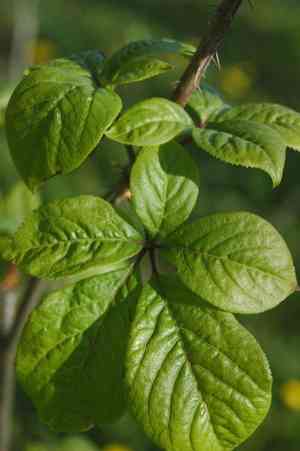
Siberian ginseng (Eleutherococcus senticosus)
Also known as: Siberian ginseng, Ciwujia
Siberian ginseng, also known as Eleutherococcus senticosus, is native to northeastern Asia. It thrives in various soil conditions and is commonly found in mountain forests, where it often forms dense undergrowth or grows along forest edges. Despite its traditional use in some cultures, consuming Siberian ginseng can lead to adverse effects, especially in pregnant women.
In This Article
Attributes of Siberian ginseng
Lifespan
Perennial
Plant Type
Shrub
Plant Height
1 m to 6 m
Spread
1.2 m
Leaf Color
Dark green
Flower Size
2 cm to 4 cm
Flower Color
Yellow Green
Images of Siberian ginseng
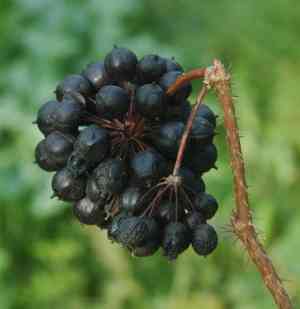
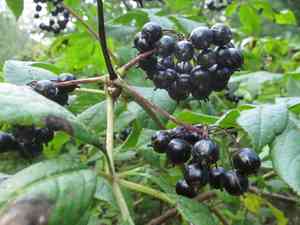
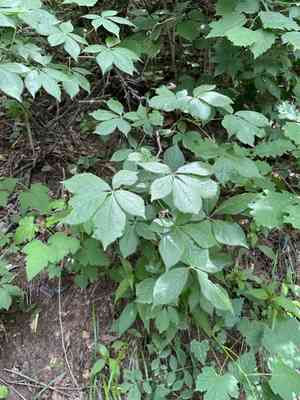
Quickly Identify Siberian ginseng
1
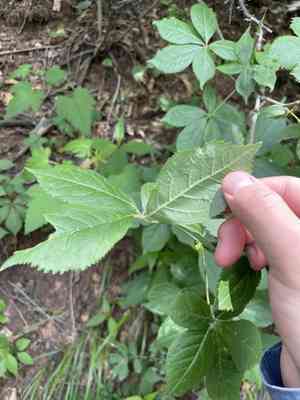
The plant can be identified by its woody stems covered with sharp spines, palmately compound leaves with five leaflets, small yellowish flowers clustered in umbels, and black, berry-like fruits.
Scientific Classification of Siberian ginseng
Phylum
Vascular plants
Class
Dicotyledons
Order
Carrots, ivies and allies
Family
Ivy
Genus
Eleuthero
Species
Siberian ginseng
Planting and Growing of Siberian ginseng
Care Difficulty
Easy
Watering Schedule
Every 4 days
Sunlight Requirements
Partial sun
Sunshine Duration
4-8 hours
Ideal Temperature
60-77℉
Soil Type
Potting Mix, Peat Mix
Soil pH
6.5-7.5
Fertilizer Type
Balanced
Pruning Season
Spring, Summer
Pruning Area
Branches, Leaves
Pruning Frequency
2 times a year
Repotting Season
Spring
Pot Type
Plastic, Ceramic
 How to Water Siberian ginseng?
For Eleutherococcus senticosus, it's essential to ensure the soil remains consistently moist but not waterlogged. Aim to water until the topsoil is visibly moist and excess water drains from the bottom of the pot, approximately 500 milliliters each time.
What are the symptoms of an underwatered Siberian ginseng?
›
What should I do if my Siberian ginseng is not getting enough water?
›
What are the symptoms of an overwatered Siberian ginseng?
›
How to save an overwatered Siberian ginseng?
›
 What Are the Sunlight Requirements for Siberian ginseng?
Partial sun to full shade best suits this plant, providing enough light for energy without causing stress. Ideal light conditions enhance growth and contribute to lush, healthy foliage.
More About Sunlight Requirements Techniques→
What amount of light does this plant ideally need?
›
Solution for achieving ideal lighting conditions?
›
What benefits does the correct light condition offer?
›
 What Is the Ideal Temperature Range for Siberian ginseng?
The ideal temperature range for Eleutherococcus senticosus is between 60°F and 77°F. This range ensures optimal growth and metabolic function, facilitating photosynthesis and nutrient uptake. If maintained, this temperature promotes robust plant health and minimizes stress. At these temperatures, you can expect the plant to thrive, showcasing healthy leaves and strong root development.
 What Soil is Best for Siberian ginseng?
Eleutherococcus senticosus thrives in nutrient-rich soil which provides ample minerals and nutrients necessary for its optimal growth. Ensuring the soil is enriched with natural compost or organic matter supports its robustness and boosts the plant's health. This plant requires soil with excellent drainage to prevent waterlogging, which can lead to root rot and other detrimental conditions. Well-drained soil ensures adequate moisture without harming the roots, promoting healthy development. Although drainage is important, the soil should still retain sufficient moisture between watering. Moisture-retentive soil balances hydration and aeration, enabling the plant to absorb necessary water without risk of drought stress.
 How to Fertilize Siberian ginseng?
For Eleutherococcus senticosus, it's important to use a balanced fertilizer with equal N-P-K ratios. Typically, use about 1/2 teaspoon of liquid fertilizer mixed into a gallon of water, enough for a small to medium-sized plant. Adjust accordingly based on plant size and soil condition.
 How to Prune Siberian ginseng?
Begin pruning Eleutherococcus senticosus by assessing the plant's overall structure. Remove any dead, damaged, or diseased branches first by cutting them back to healthy wood. Next, selectively prune back branches that are crossing or growing downward to improve air circulation and promote upward growth. Aim to maintain a balanced shape by trimming excessively long branches and thin out overcrowded areas. Always use clean, sharp pruning tools to make clean cuts. Regular pruning helps in keeping the plant vigorous and prevents it from becoming too leggy or untidy.
More About Pruning Techniques→
 How to Propagate Siberian ginseng plant?
1
It is crucial to soak the seeds in warm water for 24 hours before sowing to enhance germination rates, especially when propagating from seeds.
2
Select healthy, semi-hardwood stems and cut them into 4-6 inch lengths. Remove the lower leaves and dip the cut ends in rooting hormone before planting.
3
During the early spring, divide the root ball of a mature plant into smaller sections, ensuring each section has a portion of the root system intact for successful propagation.
 How to Repot Siberian ginseng plant?
1
The prime time to consider repotting Eleutherococcus senticosus is when you observe roots circling the pot, indicating it's outgrowing its space, or when soil drainage worsens. Spring presents the ideal time since the plant actively grows, recovering swiftly from stress.
2
Selecting a new pot for Eleutherococcus senticosus involves opting for one about 1-2 inches larger in diameter to accommodate growth fluctuations. This approach allows the plant to stretch its roots without the risk of root rot or excessive water retention, promoting anchorage and stability.
3
Employ a well-drained loamy soil mix that retains necessary moisture while providing adequate aeration. This balance ensures roots don't suffocate or rot, helping the Eleutherococcus senticosus thrive by delivering essential nutrients efficiently.
Learn More About Siberian ginseng Diseases
Anthracnose
Bacterial Leaf Spot
Bacterial Soft Rot
Bacterial Wilt
Black Spot
Chemical Injury
Crown Gall
Cyst Nematode
Damping-off
Downy Mildew
Drought Stress
Fusarium Wilt
Gray Mold
Leaf Curl
Leaf Spot
Mosaic
Nutrient Deficiency
Nutrient Toxicity
Powdery Mildew
Root Rot
Root-knot Nematode
Rusts
Sooty Mold
Spider Mites
Temperature Stress
Thrips Damage
White Mold



