How to Transplant African finger millet?
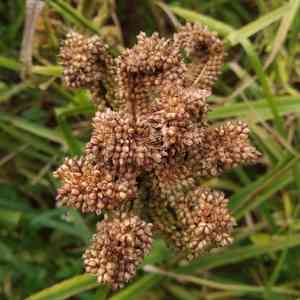
Relocating african finger millet between early and late spring, once the ground temperature rises, fosters vigorous development. Select a sun-drenched spot with effective drainage to enhance their health. Careful management of the root system during this procedure is crucial for their successful integration.
What Preparations are Needed Before Transplanting African Finger Millet?
What is the Ideal Time for Transplanting African Finger Millet?
The best time to move african finger millet is from early spring's revival through late spring's peak. This period offers mild temperatures and increasing daylight, which greatly aid african finger millet's root establishment and development. Transplanting african finger millet during this season ensures a blend of sufficient warmth and soil moisture, providing a supportive base for roots to flourish. This timely transplant gives african finger millet a head start, leading to strong growth and a plentiful harvest.
How Much Space Should You Leave Between African Finger Millet Plants?
For african finger millet, aim for a separation of approximately 8-12 inches (20-30 cm) between plants. This provides ample room for them to thrive without competing for essential nutrients!
What is the Best Soil Mix for African Finger Millet Transplanting?
Prepare a garden bed with loamy soil for your african finger millet and enrich it with compost or a balanced plant food. This will create the perfect conditions for vigorous growth!
Where Should You Relocate Your African Finger Millet?
Select a sunny location where your african finger millet will receive at least 6-8 hours of direct sunlight daily. This ample sunshine will help your plants flourish!
What Equipments Should You Prepare Before Transplantation African Finger Millet?
Gardening Gloves
To safeguard your hands while handling soil and plants.
Shovel or Spade
To carefully excavate the african finger millet plant with minimal root disruption.
Garden Fork
To loosen the soil surrounding the plant's root system.
Watering Can or Hose
To hydrate the african finger millet plant both before and after relocation.
Wheelbarrow or Plant Tray
For moving the african finger millet plant to its new spot.
Secateurs or Pruning Shears
For trimming any damaged roots or foliage.
Tape Measure
To assist in spacing your plants at an appropriate distance from one another.
Plant Supports or Stakes (if required)
To provide stability for the african finger millet plant after transplanting.
How Do You Remove African Finger Millet from the Soil?
How Do You Remove African Finger Millet from the Soil?
From Ground: Hydrate the african finger millet plant to moisten the soil. Use the shovel or spade to dig a wide circle around the plant, ensuring the root ball stays intact. Gently work the tool under the root ball to carefully lift the plant from its original position.From Pot: Water the african finger millet plant and gently tap the pot's sides to loosen the soil. Tilt the pot sideways and carefully slide the plant out, being careful not to harm the stem or roots.From Seedling Tray: Dampen the soil in the tray. Use a small tool or your fingers to gently lift the african finger millet seedling by its leaves, avoiding damage to the stem and roots. Carefully untangle the roots if they are pot-bound.
Step-by-Step Guide for Transplanting African Finger Millet
Preparation
Thoroughly water the african finger millet plant before beginning the transplanting process to ensure the roots are well-hydrated.
Root Ball
Carefully extract the african finger millet plant from its current location, preserving as much of the root ball as possible.
Transportation
Utilize a wheelbarrow or plant tray to transport the african finger millet to its new planting site.
Planting Hole
Excavate a hole in the ground that is twice the width of the root ball and of equal depth to prevent planting too deeply.
Placement
Position the african finger millet plant in the center of the hole and gently spread its roots outwards.
Refill
Carefully backfill the hole with soil, firming it around the roots to eliminate any air pockets.
Watering
After transplanting, generously water the african finger millet plant to settle the soil and provide moisture for the roots.
Support
If the african finger millet plant is top-heavy or in a windy area, use plant stakes to provide necessary support.
How Do You Care For African Finger Millet After Transplanting?
Monitoring
Regularly inspect the african finger millet plant for indications of transplant shock, such as wilting or yellowing leaves, and address them promptly.
Watering
Maintain consistent moisture levels for the african finger millet plant, allowing the soil to partially dry between waterings without becoming waterlogged.
Staking
Install support stakes if the african finger millet plant appears unstable or starts to lean, tying it loosely to the stakes for stability.
Weeding
Keep the area around the african finger millet free of weeds, which can compete for essential nutrients and water.
Mulching
Apply a layer of organic mulch around the base of the african finger millet to help retain soil moisture and regulate soil temperature.
Troubleshooting Common Issues with African Finger Millet Transplantation.
Why is my african finger millet not thriving post-transplant?
Ensure you're transplanting african finger millet during the ideal period from early spring until it's well established. Also, confirm that each plant has about 8-12 inches (20-30 cm) of space to flourish.
What's the best soil type for african finger millet transplantation?
For a successful transplant, african finger millet prefers well-drained, fertile soil. Enhance it with organic compost to boost nutrient levels and improve soil structure.
How much should I water african finger millet after transplanting?
Post-transplant, keep african finger millet's soil consistently moist, but not saturated. Water gently at the base to avoid disturbing the roots.
What sunlight conditions does african finger millet require after transplanting?
Place african finger millet in an area where it receives full sun exposure. Sufficient sunlight is vital for vigorous growth following transplantation.
Why are the leaves of my african finger millet yellowing after transplant?
Yellow leaves might indicate overwatering or a lack of nutrients. After transplanting african finger millet, monitor moisture levels and provide a balanced fertilizer.
My african finger millet is wilting after transplant, what should I do?
Wilting could be due to root shock or insufficient watering. Keep the soil around african finger millet moist and shield it from strong winds until it acclimates.
How deep should I plant african finger millet during transplantation?
Transplant african finger millet as deep as its root ball and ensure the base is level with the surrounding soil to encourage proper root development.
Should I prune african finger millet during transplanting?
Pruning isn't typically necessary during transplantation. Instead, focus on proper planting technique and care for african finger millet to encourage growth.
How can I prevent transplant shock in african finger millet?
To minimize shock, transplant african finger millet on a cloudy day or late in the afternoon and water thoroughly after moving. Avoid disturbing roots during the process.
When to fertilize african finger millet after transplanting?
Wait 3-4 weeks post-transplant to fertilize african finger millet, allowing roots to settle. Use a balanced fertilizer to support new growth without burning the roots.



