How to Prune African finger millet?
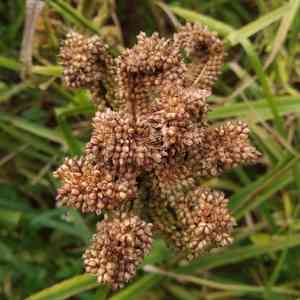
This resilient grain, characterized by its thin stems and digit-like seed clusters, thrives with limited trimming. Trim african finger millet immediately following the harvest to eliminate compromised or infected parts, thereby fostering renewed development. For perennial cultivation, seasonal pruning is best performed during the arid season. Trimming in the spring, summer, or autumn aids in air circulation and diminishes pest problems. Always use disinfected implements to avert the dissemination of illnesses. Thoughtful cuts enhance the plant's well-being and productivity without diminishing the species' inherent toughness.
What Are the Benefits of Pruning African Finger Millet?
What Are the Benefits of Pruning African Finger Millet?
Trimming african finger millet promotes vigor, directing its energy efficiently for strong development. Pruning maintains a desired shape, preventing excessive growth and fostering a neat appearance specific to its growth pattern.
What Is the Best Time for Pruning African Finger Millet?
What Is the Best Time for Pruning African Finger Millet?
Pruning african finger millet in Spring is advantageous as it aligns with the start of its growth cycle, allowing for quick recovery and energy focus on new development. In Early Summer, light trimming is ideal for shaping the plant and removing any unproductive or diseased sections, thus encouraging a healthier plant structure. Late Fall is suitable for eliminating dead or spent tissues post-harvest, which helps reduce disease pressure and prepares the plant for the subsequent growing season. These periods ensure minimal plant stress and avoid disrupting flowering and grain formation, which typically occurs after Summer pruning.
What Tools Do I Need to Prune African Finger Millet?
Hand Pruners
These are perfect for trimming and shaping the foliage of african finger millet. Their precise cutting ability allows for targeted pruning without harming nearby stems.
Grass Shears
Given african finger millet's structural resemblance to grasses, grass shears are excellent for uniformly cutting larger areas, useful during harvest or extensive pruning.
Sickle
This tool can be effectively used for harvesting african finger millet by cutting close to the ground. A sickle's curved blade facilitates quick, clean cuts, especially for larger quantities.
How to Prune African Finger Millet
Identify
Examine african finger millet closely to find withered leaves that are dry, brown, or brittle. These are usually located at the lower parts of the stalks.
Disinfect
Before beginning the pruning process, sanitize your pruning shears with a solution of 1 part bleach to 9 parts water to prevent disease transmission to african finger millet.
Cut
Using the sanitized shears, carefully cut off the withered leaves at their base, where they connect to the main stalk, being careful not to damage the healthy tissue of african finger millet.
Dispose
Promptly discard the removed leaves to lessen the risk of disease and pest infestation around african finger millet. Do not compost diseased material to avoid spreading pathogens.
Monitor
Continue to observe african finger millet regularly after pruning for any signs of stress or further wilting, acting quickly to maintain its healthy growth.
Common Pruning Mistakes with African Finger Millet
Over pruning
Removing too many shoots or leaves which can stress african finger millet, leading to poor growth and reduced vitality.
Improper technique
Using dull or dirty cutting tools could introduce disease or cause jagged cuts that are difficult for african finger millet to heal.
Neglecting health issues
Failing to remove diseased or pest-infested portions can spread issues throughout african finger millet, weakening the overall plant health.
Pruning active growers
Cutting back african finger millet when it is actively growing can interrupt its growth cycle and reduce future yields.
Common Pruning Tips for African Finger Millet
Sharp tools
Ensure cutting tools are sharp and clean before starting to prune african finger millet for cleaner cuts and reduced risk of disease transmission.
Disease management
When you identify diseased parts of african finger millet, prune them away promptly to prevent the spread to healthy areas.
Shaping
Selective pruning can help shape african finger millet for optimal growth and productivity, without over-thinning the foliage.
Pest inspection
Regularly inspect african finger millet for signs of pests during pruning and take appropriate measures to control any infestations.



