The African finger millet Plant Advantage: Maximizing Home and Office Appeal and Wellness
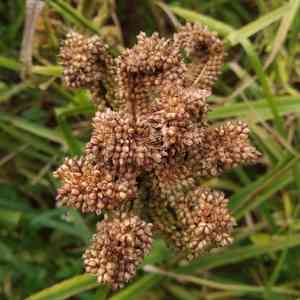
1
African finger millet contains vital nutrients, making it a healthy food choice.
2
This plant is very hardy and grows well in dry and semi-dry areas.
3
African finger millet supports eco-friendly farming because it needs little water.
What Nutritional Advantages Does African Finger Millet Provide?
Abundant in Key Nutrients
A primary benefit of African finger millet is its outstanding nutritional makeup. It contains high levels of vital nutrients, such as calcium, iron, protein, and dietary fiber. These elements are essential for strong bones, boosting energy, and improving digestion. For example, the calcium in African finger millet significantly aids bone density, helping prevent conditions like osteoporosis.
High Protein Content
Including African finger millet in one's diet can help meet daily protein needs, especially for those on plant-based diets. The grain's protein level is comparable to more common cereals, offering an excellent source of crucial amino acids necessary for muscle repair and growth.
How Does African Finger Millet Support Sustainable Farming?
Drought-Resistant Crop
A key characteristic of African finger millet is its ability to withstand harsh environmental conditions. It thrives in dry and semi-arid areas where other crops struggle, making it perfect for drought-prone regions. This trait not only ensures food availability in difficult climates but also conserves water resources.
Soil Health Improvement
African finger millet positively impacts soil health, contributing to sustainable agricultural practices. Its deep root system helps prevent soil erosion and enhances soil structure by improving water absorption and retention. Additionally, the crop's remnants can be used as mulch, enriching the soil with organic matter and promoting nutrient cycling.
Why Should African Finger Millet Be a Staple in Your Diet?
Versatile Culinary Applications
African finger millet can be a delightful addition to various cooking preparations. From porridges and flatbreads to soups and snacks, its adaptability allows it to be incorporated into many dishes. Its mild, slightly nutty taste complements both sweet and savory recipes, making it a preferred choice among chefs and home cooks alike.
Gluten-Free Option
For individuals with gluten sensitivities or celiac disease, African finger millet offers a valuable gluten-free alternative. Unlike wheat and other gluten-containing grains, African finger millet can be safely consumed by those requiring a gluten-free diet, thereby expanding their choices for nutritious and delicious meal planning.
How Can African Finger Millet Contribute to Global Food Security?
Adaptability to Climate Change
African finger millet's capacity to endure extreme weather conditions highlights its potential role in addressing global food security challenges posed by climate change. Its adaptability ensures a stable food supply even in regions facing unpredictable climatic shifts, thus contributing to agricultural resilience.
Economic Benefits for Farmers
Cultivating African finger millet can provide significant economic advantages for farmers. Its resilience reduces the need for extensive irrigation and costly inputs, lowering production expenses. Moreover, the increasing demand for health-conscious and sustainable food options can offer farmers profitable market opportunities.



