How to Transplant Few-flowered spike-rush?
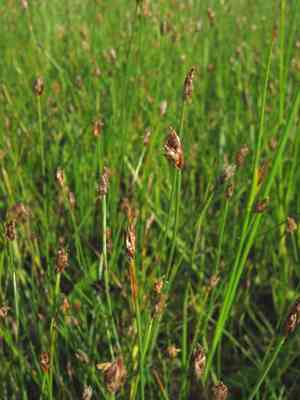
Few-flowered spike-rush flourishes when transplanted between early and late spring, as this period facilitates ideal root development. Select a bright, damp spot. Should it be required, prune excessively long roots to encourage robust growth.
What Preparations are Needed Before Transplanting Few-flowered Spike-rush?
What is the Ideal Time for Transplanting Few-flowered Spike-rush?
Few-flowered spike-rush should ideally be moved from early to late spring. This period allows for maximum root establishment before the hotter, drier summer. Transplanting at this time offers optimal temperature and moisture, boosting survival and ensuring strong growth. Additionally, this season helps few-flowered spike-rush acclimate properly, reducing transplant shock and leading to a healthier, more robust perennial.
How Much Space Should You Leave Between Few-flowered Spike-rush Plants?
When relocating few-flowered spike-rush, ensure each plant is spaced 6-12 inches (15-30 cm) apart. This provides ample room for growth and development without overcrowding.
What is the Best Soil Mix for Few-flowered Spike-rush Transplanting?
For few-flowered spike-rush, select a soil rich in organic matter that retains moisture effectively. Incorporating a balanced base fertilizer, such as a 10-10-10 NPK, will give your plants an excellent start.
Where Should You Relocate Your Few-flowered Spike-rush?
Choose a spot that gets full sun to partial shade for few-flowered spike-rush. This ensures they receive adequate light to flourish while being shielded from intense, direct sunlight throughout the day.
What Equipments Should You Prepare Before Transplantation Few-flowered Spike-rush?
Gardening Gloves
To safeguard your hands while handling soil and plants.
Shovel or Spade
For excavating the plant from its original spot and creating a new planting hole.
Hand Trowel
Useful for more precise digging and planting tasks.
Watering Can or Hose
To hydrate the plant before and after relocation.
Bucket or Container
To hold the plant and soil during the moving process.
Mulch
To aid in moisture retention and soil temperature regulation post-transplant.
How Do You Remove Few-flowered Spike-rush from the Soil?
How Do You Remove Few-flowered Spike-rush from the Soil?
From Ground: First, moisten the few-flowered spike-rush plant's soil. Then, dig a wide trench around the plant with a shovel or spade, keeping the root ball intact. Carefully work the spade beneath the root ball to lift the plant from its original spot.From Pot: Water the few-flowered spike-rush plant thoroughly. Gently tap the pot's sides and bottom to loosen the root ball. Tilt the pot sideways and carefully slide the plant out, supporting it with your hand.From Seedling Tray: Lightly water the few-flowered spike-rush seedlings. Use a pencil or similar tool to gently push up from the tray's bottom, being careful not to harm the delicate roots. Lift the seedling by its leaves or root ball, not the stem.
Step-by-Step Guide for Transplanting Few-flowered Spike-rush
Site Preparation
Carefully select the planting location, ensuring it meets the plant's growth needs. Clear the area of any weeds or debris.
Digging the Hole
Use a shovel to dig a hole twice as wide and the same depth as the few-flowered spike-rush plant's root ball.
Soil Conditioning
If the soil quality needs improvement, mix in some compost to enrich it. This will help the plant establish itself more quickly.
Placing the Plant
Carefully position the few-flowered spike-rush plant in the center of the hole, ensuring the top of the root ball is level with the surrounding soil surface.
Filling the Hole
Backfill the hole with the removed soil, gently pressing it around the root ball to eliminate air pockets.
Watering
Thoroughly water the newly planted few-flowered spike-rush to settle the soil and hydrate the plant.
Application of Mulch
Apply a layer of mulch around the base of the few-flowered spike-rush plant to help keep the soil moist and reduce weed competition.
How Do You Care For Few-flowered Spike-rush After Transplanting?
Watering
Keep the soil around the few-flowered spike-rush consistently moist, but not waterlogged, for the initial weeks post-transplant to aid in strong root establishment.
Monitoring
Regularly inspect the few-flowered spike-rush plant for signs of stress like wilting or yellowing leaves, and address any issues promptly.
Pruning
Remove any damaged or dead foliage to encourage healthy growth.
Mulching
Replenish the mulch as needed to maintain a 2-3 inch layer around the plant's base.
Fertilizing
After a few weeks, consider a light application of a balanced fertilizer to support continued growth and development.
Troubleshooting Common Issues with Few-flowered Spike-rush Transplantation.
When is the best time to transplant few-flowered spike-rush?
Relocate few-flowered spike-rush from early spring to late spring for optimal results.
How much space should I leave between plants?
Space few-flowered spike-rush approximately 6-12 inches (15-30 cm) apart for healthy development.
What type of soil does few-flowered spike-rush prefer?
Few-flowered spike-rush thrives in moist, well-drained soil abundant in organic matter.
What depth should I plant few-flowered spike-rush?
Plant few-flowered spike-rush at the same depth it was previously growing to prevent stress.
Do I need to water few-flowered spike-rush immediately after transplanting?
Yes, water few-flowered spike-rush thoroughly right after transplanting to help it settle and minimize shock.
How should I prepare the planting site for few-flowered spike-rush?
Clear weeds, loosen the soil, and add compost to prepare the site for few-flowered spike-rush.
What should I do if few-flowered spike-rush wilts after transplanting?
Keep the soil consistently moist and provide some shade if few-flowered spike-rush shows signs of wilting.
How can I prevent transplant shock in few-flowered spike-rush?
Water adequately, maintain soil moisture, and avoid disturbing the roots to reduce transplant shock.
Should I fertilize few-flowered spike-rush after transplanting?
Avoid immediate fertilization; wait a few weeks to ensure few-flowered spike-rush is well-established first.
How do I protect few-flowered spike-rush from pests post-transplant?
Utilize organic pest control methods and regularly monitor few-flowered spike-rush for any indications of insect activity.



