The Few-flowered spike-rush Plant Advantage: Maximizing Home and Office Appeal and Wellness
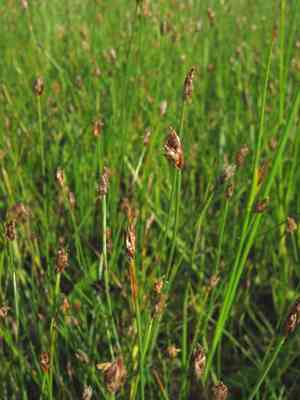
1
Few-flowered spike-rush offers crucial living spaces for diverse animal populations.
2
Recognized for flourishing in marshy environments, Few-flowered spike-rush aids in preventing soil degradation.
3
Acting as an inherent water clarifier, Few-flowered spike-rush enhances the purity of water.
How Does Few-flowered spike-rush Benefit the Environment?
Enhances Soil Stability
A key environmental advantage of Few-flowered spike-rush is its capacity to stabilize soil. This plant is particularly effective in wetland regions where soil erosion poses a significant problem. Its roots bind the soil, reducing its vulnerability to wind and water erosion. This leads to a more stable land structure, benefiting other plant species and local wildlife.
Acts as a Natural Water Filter
Few-flowered spike-rush demonstrates remarkable abilities in improving water quality. Its root system can absorb and filter sediments and pollutants from water, functioning as a natural purifier. This filtration process helps maintain clean water systems, vital for both humans and aquatic life. By lowering contaminant levels, Few-flowered spike-rush supports a healthier, more balanced ecosystem.
Why Is Few-flowered spike-rush Important for Wildlife?
Provides Shelter and Nesting Grounds
In the wildlife domain, Few-flowered spike-rush offers crucial habitats. Birds, insects, and small mammals frequently use this plant for refuge and nesting. The dense clumps of Few-flowered spike-rush create an ideal protective environment, shielding these species from predators and harsh weather. It is especially valuable for ground-nesting birds.
Supports Biodiversity
The presence of Few-flowered spike-rush within an ecosystem can significantly boost local biodiversity. By providing habitat and a food source, this plant helps sustain various life forms, from insects to small mammals. The wide array of species that depend on Few-flowered spike-rush underscores its essential role in maintaining ecological balance and fostering biodiversity.
What Are the Practical Applications of Few-flowered spike-rush in Human Activities?
Used in Wetland Restoration Programs
Few-flowered spike-rush is often employed in wetland restoration projects due to its strong resilience and beneficial traits. Its ability to grow in waterlogged conditions makes it an ideal candidate for such initiatives. By planting Few-flowered spike-rush, conservationists can revitalize degraded wetland areas, returning them to their natural state. This aids both environmental conservation and the resurgence of local flora and fauna.
Erosion Control in Landscaping
Beyond environmental conservation, Few-flowered spike-rush is also utilized in landscaping for erosion control. Landscapers and gardeners frequently plant it along the edges of ponds, streams, and other water bodies to prevent soil erosion. Its roots anchor the soil, making it an effective natural solution for landscapes prone to erosion.
How Can You Incorporate Few-flowered spike-rush into Your Garden?
Optimal Growing Conditions
To integrate Few-flowered spike-rush into your garden, you'll need to mimic its natural wetland habitat as closely as possible. This means ensuring the soil remains consistently moist or waterlogged. Whether you have a garden pond or a small wetland area, Few-flowered spike-rush can thrive and offer the same benefits in a controlled setting.
Maintenance Tips
Few-flowered spike-rush requires minimal upkeep once established. Regular checks to ensure the soil stays wet are crucial. Occasional trimming might be necessary to manage the plant's spread, especially if you aim for a specific landscape design. Fortunately, Few-flowered spike-rush is quite hardy and can flourish with little human intervention, making it an excellent choice for gardeners preferring low-maintenance plants.



