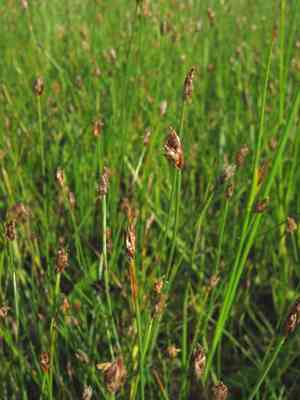
Few-flowered spike-rush (Eleocharis quinqueflora)
Also known as: Few-flower spikerush
Eleocharis quinqueflora, commonly known as fewflower spikerush or few-flowered spike-rush, is a species of spikesedge. It is widely distributed across Europe, North Africa, northern Asia (including regions like Siberia, China, Kazakhstan, and the Himalayas), and North America, notably in Canada, Greenland, and the northern and western United States. Additionally, there are isolated populations in Argentina and Chile.
In This Article
Attributes of Few-flowered spike-rush
Lifespan
Perennial
Plant Type
Grass
Plant Height
5 cm to 36 cm
Spread
Not applicable, as it grows in tufts
Leaf Color
Green
Flower Size
Approximately 1-2 mm
Flower Color
White Yellow Red Brown
Images of Few-flowered spike-rush
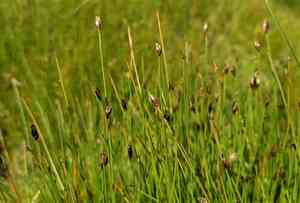
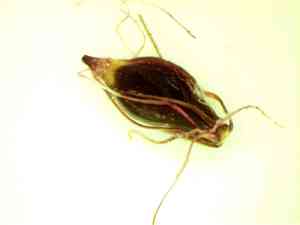
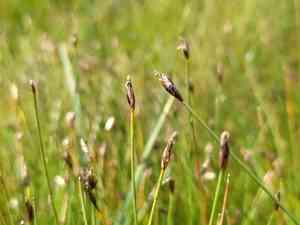
Quickly Identify Few-flowered spike-rush
1
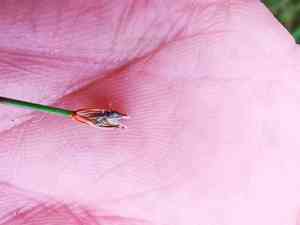
Identification can be done by observing the slender, grass-like stems and the small clusters of 2-4 white to light brown flowers that lack petals. The plant typically has a tufted growth form.
Scientific Classification of Few-flowered spike-rush
Phylum
Vascular plants
Class
Monocotyledons
Order
Poales
Family
Sedge
Genus
Eleocharis
Species
Few-flowered spike-rush
Planting and Growing of Few-flowered spike-rush
Care Difficulty
Easy
Watering Schedule
Every 4 days
Sunlight Requirements
Partial sun
Sunshine Duration
4-6 hours
Ideal Temperature
55-77℉
Soil Type
Potting Mix, Peat Mix
Soil pH
6.5-7.5
Fertilizer Type
Balanced
Pruning Season
Spring, Summer
Pruning Area
Branches, Leaves
Pruning Frequency
2 times a year
Repotting Season
Spring
Pot Type
Plastic, Ceramic
 How to Water Few-flowered spike-rush?
Eleocharis quinqueflora requires a moderate watering approach, ensuring soil is moist but never waterlogged. Each session should roughly provide about 150 ml to maintain a consistently damp substrate.
What are the symptoms of an underwatered Few-flowered spike-rush?
›
What should I do if my Few-flowered spike-rush is not getting enough water?
›
What are the symptoms of an overwatered Few-flowered spike-rush?
›
How to save an overwatered Few-flowered spike-rush?
›
 What Are the Sunlight Requirements for Few-flowered spike-rush?
Partial to full shade ensures that Eleocharis quinqueflora receives diffuse sunlight, fostering lush, healthy growth and preventing stress from overexposure while supporting its photosynthetic activities.
What type of sunlight is best?
›
How to achieve ideal sunlight?
›
What are the benefits of ideal lighting?
›
 What Is the Ideal Temperature Range for Few-flowered spike-rush?
The ideal temperature range for Eleocharis quinqueflora is between 55°F and 77°F. This range supports optimal growth and photosynthesis, allowing the plant to thrive in environments similar to its native habitat. Maintaining temperatures within this range ensures that the plant can efficiently process nutrients and grow healthily.
 What Soil is Best for Few-flowered spike-rush?
Eleocharis quinqueflora thrives in soils with excellent moisture retention. This helps the plant sustain its lush growth, especially in drier periods, ensuring a constant supply of water to its roots. A nutrient-rich soil supports the robust health of Eleocharis quinqueflora, enabling prolific vegetative growth and ensuring vibrant green foliage, which contributes to the aquatic ecosystems it often inhabits. The plant prefers well-aerated soils, which enhance root respiration and promote healthier root systems. This results in a more resilient plant that can better withstand stress and environmental variations.
 How to Fertilize Few-flowered spike-rush?
For Eleocharis quinqueflora, it's advisable to use a diluted fertilizer solution. When using liquid fertilizers, always follow the recommended dosage on the package but dilute it to half strength to prevent over-fertilization. This will supply the plant with necessary nutrients without overwhelming its system.
 How to Prune Few-flowered spike-rush?
Use sharp, clean scissors or pruning shears to make clean cuts and reduce damage to the plant. This helps prevent the spread of disease and damage to the foliage, ensuring a healthy regrowth. Start by identifying and cutting away any brown, withered, or entirely dead stems. This process allows resources to be directed towards the healthier, thriving parts of the plant, promoting better growth overall. To improve air circulation and light penetration, carefully thin out dense clusters of stems. This helps to reduce the risk of fungal infections and ensures that each stem receives adequate sunlight and nutrients. Trim back stems to maintain a desired shape or to encourage filling in of sparse areas. This not only enhances the aesthetic value but also balances growth throughout the plant.
More About Pruning Techniques→
 How to Propagate Few-flowered spike-rush plant?
1
Start by filling seed trays with a light, well-draining potting mix. Sow the seeds on the surface of the soil, gently pressing them to ensure contact. Water lightly, maintaining moisture without waterlogging, and place them in a spot with indirect sunlight.
2
In early spring, use a garden fork to lift mature clumps of Eleocharis quinqueflora. Gently separate the clumps into smaller sections, ensuring each has a healthy root system. Replant the divisions immediately in prepared soil, keeping them well-watered as they establish.
3
Once seedlings have developed several true leaves, carefully transplant them into larger pots or directly into the garden. Ensure the new location has suitable soil conditions and provide consistent moisture to facilitate acclimation.
 How to Repot Few-flowered spike-rush plant?
1
You should repot Eleocharis quinqueflora when you see its roots appearing from the drainage holes or if the plant's growth appears stunted, indicating that it has outgrown its pot. Repotting in spring or autumn helps to minimize growth disruption and gives the plant time to adapt to its new environment.
2
Select a pot that is slightly larger than the current one, with good drainage holes to prevent waterlogging, which can be detrimental to the plant’s roots. A pot that is one or two inches bigger in diameter allows for healthy root expansion and prevents root rot by ensuring excess water can escape easily.
3
Opt for well-draining sandy loam to ensure proper nutrient retention and drainage, fostering an ideal environment for the roots. Such soil prevents the roots from sitting in water, which can cause rotting, while also providing the necessary aeration for healthy growth.
Learn More About Few-flowered spike-rush Diseases
Anthracnose
Bacterial Leaf Spot
Bacterial Soft Rot
Bacterial Wilt
Chemical Injury
Cyst Nematode
Damping-off
Drought Stress
Fusarium Wilt
Gray Mold
Leaf Spot
Mosaic
Nutrient Deficiency
Nutrient Toxicity
Powdery Mildew
Root Rot
Root-knot Nematode
Rusts
Sooty Mold
Spider Mites
Temperature Stress
Thrips Damage
White Mold



