How to Transplant Sand spikerush?
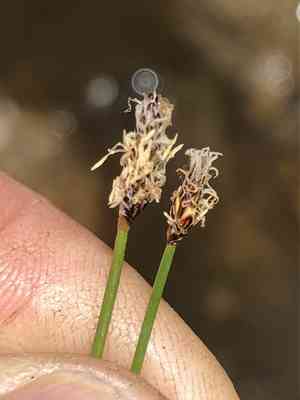
The most favorable time to transplant sand spikerush is from the beginning of vigorous growth in late spring through mid-summer, which provides warm ground for strong root development. Position sand spikerush in damp, adequately draining areas to promote effective adaptation.
Necessary Preparations Before Relocating Sand Spikerush?
When is the Best Time to Move Sand Spikerush?
The prime window for relocating sand spikerush spans from late spring through mid-summer. Moving sand spikerush during this period leverages the gradually warming ground and consistent weather, fostering robust root development. Transplanting at this time minimizes stress for sand spikerush, allowing ample opportunity to adapt and flourish before winter's arrival.
What is the Recommended Spacing Between Sand Spikerush Plants?
When rehousing your sand spikerush, aim for a comfortable distance of 6-12 inches (15-30 cm) between each plant. This provides adequate room for individual growth without overcrowding.
What is the Optimal Soil Blend for Sand Spikerush Transplantation?
Your sand spikerush will flourish in damp, well-draining soil. Prior to transplanting, enrich the earth with a balanced fertilizer to give your sand spikerush the best possible start. Consider it a nourishing welcome meal for its roots!
Where Should You Replant Your Sand Spikerush?
Select a location for your sand spikerush that receives full sun to partial shade to absorb sunlight. These plants appreciate bright conditions but benefit from a brief respite from the afternoon sun, especially in hotter climates. It's all about achieving that perfect equilibrium!
What Tools Should You Prepare Before Transplanting Sand Spikerush?
Gardening Gloves
To safeguard your hands while handling soil and the plant.
Shovel or Spade
For excavating and moving the sand spikerush from one spot to another.
Watering Can or Hose
To hydrate the sand spikerush before and after its move to lessen transplant shock.
Garden Trowel
For precise digging and managing smaller plants or confined areas.
Wheelbarrow
To transport the sand spikerush and soil without straining your back.
Pruning Shears
To trim any dead or excessive parts of the sand spikerush prior to transplanting.
How to Extract Sand Spikerush from the Ground?
How to Extract Sand Spikerush from the Ground?
From Ground: First, thoroughly water the sand spikerush to moisten the surrounding soil. Dig a wide circle around the plant with a shovel or spade, then carefully work it beneath the sand spikerush's root ball to lift the plant with minimal root disruption.From Pot: Water the sand spikerush well beforehand. Turn the pot sideways and tap it to loosen the soil. Gently pull the sand spikerush from its base and ease it out, ensuring the root ball remains intact.From Seedling Tray: Water the seedlings to make the soil pliable. Use a garden trowel or your fingers to carefully lift the sand spikerush from its cell, taking care not to harm the delicate roots.
Detailed Guide for Transplanting Sand Spikerush
Prepare the New Site
Dig a hole twice the width of the sand spikerush's root ball and as deep as its height. Ensure the area is free of weeds and debris.
Remove the sand spikerush
Follow the previously described method to gently extract the sand spikerush from its current spot, keeping as much of the root system intact as possible.
Position the sand spikerush
Place the sand spikerush in the center of the prepared hole, making sure it stands upright. The plant's crown should be level with the surrounding soil surface.
Refill the Hole
Carefully backfill the hole with the excavated soil, gently firming it around the root ball to eliminate air pockets.
Water Thoroughly
Water the sand spikerush generously immediately after transplanting to settle the soil and hydrate the roots.
Mulch
Apply a layer of mulch around the base of the sand spikerush to conserve moisture and suppress weed growth, ensuring it's kept away from the stem.
How to Care for Sand Spikerush After Transplantation?
Immediate Care
Provide shade to the newly transplanted sand spikerush for a few days if the weather is particularly hot or sunny to prevent scorching.
Monitoring
Inspect the sand spikerush daily for any indications of transplant shock, such as wilting leaves, and provide additional care as needed.
Regular Watering
Establish a consistent watering schedule to keep the soil around the sand spikerush continuously moist during the initial growing season after transplanting.
Addressing Common Issues with Sand Spikerush Transplantation.
What's the ideal time to transplant sand spikerush for optimal growth?
Transplant sand spikerush during late spring to early summer for the best establishment in your garden.
How much space should I leave between sand spikerush when transplanting?
Space sand spikerush approximately 6-12 inches (15-30 cm) apart to allow sufficient room for growth and air circulation.
Why is my sand spikerush wilting after transplanting?
Wilting may occur due to transplant shock. Ensure proper watering, avoid direct sunlight initially, and protect from wind.
How deep should the hole be when transplanting sand spikerush?
Dig a hole as deep as the root ball and twice as wide to encourage root expansion and stability.
Can I transplant sand spikerush in cooler seasons?
It's best to transplant sand spikerush during warmer months, as cooler temperatures can hinder establishment and growth.
What soil type is ideal for transplanting sand spikerush?
Sand spikerush thrives in moist, well-draining soil. Amend soil with organic matter to improve drainage if necessary.
How much should I water sand spikerush after transplanting?
Water sand spikerush generously upon transplanting and maintain consistent moisture without overwatering to encourage root development.
Should I fertilize sand spikerush after transplanting?
Wait a few weeks before fertilizing to allow sand spikerush to settle. Then use a balanced, slow-release fertilizer as directed.
My sand spikerush isn't growing after transplant, what should I do?
Be patient as sand spikerush can take time to establish. Check for proper sunlight, water, and spacing requirements.
Is mulching beneficial for sand spikerush after transplanting?
Mulching can help retain moisture, regulate soil temperature, and reduce weeds, benefiting sand spikerush post-transplant.



