The Sand spikerush Plant Advantage: Maximizing Home and Office Appeal and Wellness
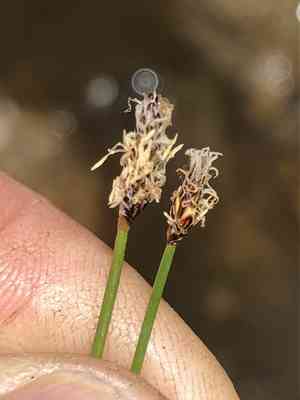
1
Sand spikerush aids in preventing soil degradation due to its widespread root network.
2
It offers a natural environment for diverse animal life.
3
Sand spikerush significantly improves water purity through its pollutant filtration capabilities.
What Are the Ecological Advantages of Sand spikerush?
Soil Erosion Prevention
A primary advantage of Sand spikerush is its capacity to prevent soil erosion. Its robust root system stabilizes the ground, stopping it from being carried away by water or wind. This makes it especially useful in areas prone to erosion, such as riverbanks, lake edges, and wetlands. By planting Sand spikerush, you add a protective layer to your soil, helping maintain your landscape's integrity.
Improving Water Purity
Sand spikerush is well-known for its ability to improve water quality. The plant functions as a natural filter, capturing sediments and absorbing pollutants like nitrogen and phosphorus. This makes it a crucial element in rain gardens, constructed wetlands, and other water management systems. By integrating Sand spikerush into these areas, you can significantly enhance the clarity and quality of both surface and groundwater.
How Does Sand spikerush Support Fauna?
Providing Living Space
Sand spikerush offers vital living space for various animal species, particularly in wetland environments. The plant's dense clusters provide shelter and breeding grounds for amphibians, insects, and birds. This makes it a valuable addition to any biodiversity preservation effort. The establishment of Sand spikerush can help sustain local animal populations, thereby contributing to a more balanced and healthier ecosystem.
Supporting Aquatic Organisms
In aquatic environments, Sand spikerush plays an additional role by supporting aquatic life. The plant's submerged stems and roots create a complex habitat structure that benefits fish and other aquatic organisms. These structures offer refuge and feeding areas, making Sand spikerush a critical component in supporting a flourishing aquatic ecosystem.
Can Sand spikerush Be Incorporated into Landscape Design?
Visual Appeal
While its ecological benefits are vast, Sand spikerush also offers visual appeal for landscape design. The plant features delicate, grass-like foliage that adds a unique texture and airiness to garden spaces. Whether used as an ornamental grass in water gardens or as a ground cover in naturalized landscapes, Sand spikerush can enhance the visual charm of your outdoor area.
Planting Adaptability
Another benefit of Sand spikerush is its adaptability in planting. It can thrive in various soil types, including sandy, loamy, and clay soils. Additionally, it can tolerate both partial shade and full sun, making it suitable for different garden environments. This flexibility makes Sand spikerush an excellent choice for both new and experienced gardeners looking to create a sustainable and attractive landscape.
How to Grow Sand spikerush for Optimal Development?
Cultivation Conditions
To successfully cultivate Sand spikerush, it's important to understand its preferred growing conditions. The plant thrives best in moist to wet soils, often found in areas like marshes, ponds, and ditches. Ensuring that the planting site remains consistently damp will encourage vigorous growth. Considering these conditions will help you establish a healthy and robust stand of Sand spikerush.
Care Practices
Maintaining Sand spikerush is relatively simple. Regularly check the moisture levels and water the plant as needed to keep the soil consistently damp. While Sand spikerush is generally low-maintenance, keeping an eye out for potential pests or diseases ensures it continues to thrive. Occasional trimming can also help manage its size and prevent it from becoming too invasive.



