How to Prune Sand spikerush?
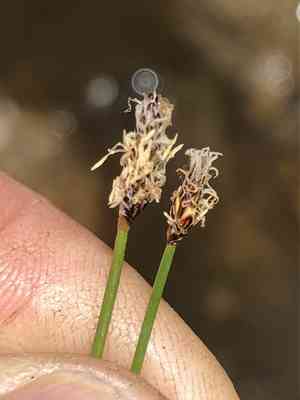
Eleocharis palustris, a perennial resembling grass, frequently inhabits marshy areas and flourishes with little upkeep. Nevertheless, judicious trimming can enhance its development. Perform pruning in early spring or winter, while the plant is inactive, to eliminate deceased or discolored leaves. This trimming fosters more compact, robust growth. Cut near the ground level with sharp clippers, taking care not to disrupt the root system. Consistent pruning prevents excessive growth, guaranteeing that Eleocharis palustris retains its visual attractiveness and its environmental function in water purification.
What Are the Benefits of Pruning Sand Spikerush?
What Are the Benefits of Pruning Sand Spikerush?
Trimming sand spikerush promotes vigorous development and maintains its desired shape. Consistent cutting encourages denser foliage, contributing to a healthier and more attractive aquatic setting.
What Is the Best Time for Pruning Sand Spikerush?
What Is the Best Time for Pruning Sand Spikerush?
Pruning sand spikerush in early spring is advisable, as this period precedes the active growth phase when the plant emerges from winter dormancy. This timing allows sand spikerush to recover swiftly and direct its energy towards new growth. Winter pruning is also beneficial for sand spikerush because the plant is dormant, which reduces stress and minimizes the risk of disease spread common in warmer, humid conditions. Furthermore, the structure of sand spikerush is more visible without foliage, enabling more accurate cuts. Pruning during these seasons ensures the plant's vitality and fosters healthy growth patterns for the upcoming season.
What Tools Do I Need to Prune Sand Spikerush?
Sharp Scissors or Snips
These are perfect for sand spikerush as they allow for precise cuts through its thin, grass-like leaves without causing unnecessary harm to the plant.
Aquatic Plant Trimmers
Especially useful if sand spikerush is cultivated in a water garden or pond, these tools are designed to reach into water for pruning without needing to remove the plant or disrupt the aquatic environment.
Hand Pruners
Sand spikerush grows in clusters, and hand pruners are robust enough to thin out these clumps if needed. They provide a clean cut, which helps prevent disease.
How to Prune Sand Spikerush
Identify diseased or withered leaves
Examine sand spikerush closely, pinpointing leaves that are discolored, show signs of illness, or are wilted and dried.
Disinfect tools
Before beginning the pruning process, sanitize all cutting implements with a solution of one part bleach to nine parts water to prevent the spread of disease.
Prune infected leaves
Using sharp scissors or pruning shears, carefully snip off the diseased and withered leaves at their base where they emerge from the plant, avoiding healthy tissue.
Clean up
Remove the trimmed material from around the base of sand spikerush to prevent decay and the potential spread of pathogens.
Monitor health
After pruning, regularly observe sand spikerush for new growth and signs of disease, taking prompt action if any new issues are noticed.
Common Pruning Mistakes with Sand Spikerush
Over-pruning
Removing too much growth from sand spikerush at once can stress the plant, leading to reduced vigor and potential dieback.
Pruning into old wood
Cutting into the older, tougher stems of sand spikerush that no longer produce new shoots may not stimulate the desired growth and can result in a less aesthetic plant form.
Neglecting tool hygiene
Using uncleaned pruning tools can introduce pathogens to sand spikerush, increasing the risk of disease transmission between plants.
Inconsistent pruning
Failing to prune sand spikerush regularly can lead to an untidy appearance and may affect the plant's health by not removing old or damaged growth.
Common Pruning Tips for Sand Spikerush
Sharp tools
Always use sharp, clean scissors or shears to ensure precise cuts and prevent damage to the delicate stems of sand spikerush.
Maintain form
Prune sand spikerush to maintain its natural shape and dense growth, focusing on removing dead or yellowing stems to promote fresh growth.
Post-flowering trimming
After sand spikerush has flowered, trimming back the spent flower stalks can encourage a second bloom and keep the plant looking tidy.
Balanced approach
Prune evenly around the plant to encourage uniform growth and avoid a lopsided appearance, which is crucial for the aesthetic value of sand spikerush in water gardens or as a ground cover.



