How to Transplant Blackfruit spikerush?
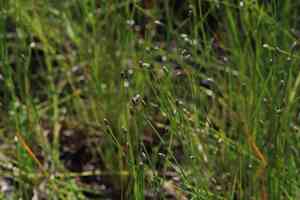
Blackfruit spikerush flourishes optimally when relocated in the revitalizing period of early to mid-spring or throughout the chilling late autumn. Choose a damp spot with full sun to dappled light. Maintaining sufficient soil hydration is vital for successful rooting.
What Preparations are Needed Before Transplanting Blackfruit Spikerush?
What is the Ideal Time for Transplanting Blackfruit Spikerush?
The best periods for relocating blackfruit spikerush are during early to mid-spring or late autumn. These seasons offer cooler temperatures and sufficient moisture, aiding root development and minimizing transplant stress. Moving blackfruit spikerush at these times allows the perennial to adapt effectively, promoting healthier growth and vitality in its new spot.
How Much Space Should You Leave Between Blackfruit Spikerush Plants?
For successful development, ensure blackfruit spikerush plants are spaced approximately 12-18 inches (30-45 cm) apart. This spacing enables them to expand and thrive without competing for resources.
What is the Best Soil Mix for Blackfruit Spikerush Transplanting?
Prepare a well-draining, slightly acidic to neutral soil for blackfruit spikerush. Incorporate a foundational fertilizer rich in organic material, such as compost or aged manure, blended into the top 4-6 inches (10-15 cm) of soil.
Where Should You Relocate Your Blackfruit Spikerush?
Select a location with full sun to partial shade for transplanting blackfruit spikerush. This ensures the plant receives adequate sunlight for growth, approximately 4-6 hours of sun daily.
What Equipments Should You Prepare Before Transplantation Blackfruit Spikerush?
Gardening Gloves
To safeguard your hands while handling soil and the plant.
Shovel or Spade
For excavating around the plant and creating the transplant hole.
Watering Can or Hose
To moisten the soil and provide hydration post-transplant.
Trowel
For more precise digging around the roots when necessary.
Bucket or Container
To temporarily hold the plant during the relocation process.
How Do You Remove Blackfruit Spikerush from the Soil?
How Do You Remove Blackfruit Spikerush from the Soil?
From Ground: First, saturate the soil surrounding the blackfruit spikerush plant to moisten it. Next, dig a wide trench around the plant using a shovel or spade to prevent root damage. Carefully work the spade beneath the root ball and lift the plant from its original spot, keeping the root ball intact.From Pot: Gently press the pot's sides to loosen the soil around the blackfruit spikerush plant. Carefully tilt the pot sideways and slide the plant out, ensuring the root ball remains whole. If it resists, gently massage the pot or use a trowel for assistance.From Seedling Tray: Water the seedlings to dampen the soil, making removal easier. Use a trowel or your fingers to lift each seedling, ensuring you handle the plant by its leaves or root ball, not the stem, to prevent harm.
Step-by-Step Guide for Transplanting Blackfruit Spikerush
Initial Preparation
Choose the appropriate time for transplanting, ideally early morning or late afternoon to avoid the day's heat. Ensure all necessary tools are ready.
Digging the Hole
Excavate a hole in the new site that is twice as wide and as deep as the blackfruit spikerush plant's root ball. This provides ample room for root expansion.
Plant Placement
Carefully position the blackfruit spikerush plant in the hole, making sure the top of the root ball is level with the ground surface. Backfill the soil around the plant, gently firming it down to eliminate air pockets.
Watering
Water the plant immediately after transplanting to help settle the soil around the roots. Ensure the water penetrates deeply into the soil to encourage robust root growth.
Mulching
Apply a layer of mulch around the base of the blackfruit spikerush plant to help retain moisture, regulate soil temperature, and suppress weed growth.
How Do You Care For Blackfruit Spikerush After Transplanting?
Watering
Keep the soil around the blackfruit spikerush consistently moist, but not waterlogged, for the initial weeks post-transplant to aid in strong root establishment.
Monitoring
Regularly inspect the blackfruit spikerush plant for any indications of stress, such as wilting or yellowing foliage. Adjust care as needed, ensuring adequate moisture and protection from harsh conditions.
Weeding
Maintain the area around the blackfruit spikerush plant free of weeds to minimize competition for nutrients and water.
Protection
If necessary, utilize supports or protective coverings to shield the blackfruit spikerush plant from strong winds or severe weather until it is well-established.
Troubleshooting Common Issues with Blackfruit Spikerush Transplantation.
When is the best time to transplant blackfruit spikerush?
The optimal period to relocate blackfruit spikerush is from early to mid-spring or late fall.
How should I space blackfruit spikerush plants?
Space blackfruit spikerush plants approximately 12-18 inches (30-45 cm) apart for ideal growth.
What soil type is suitable for blackfruit spikerush?
Blackfruit spikerush thrives in moist, well-drained soil rich in organic matter.
How to prepare the planting hole for blackfruit spikerush?
Dig a hole twice the size of the root ball and incorporate compost.
How much water does blackfruit spikerush need after transplanting?
Maintain consistently moist but not saturated soil for the first few weeks.
Should I fertilize blackfruit spikerush after transplanting?
Add a balanced fertilizer during transplanting and avoid excessive fertilization, which can harm the plant.
Why is blackfruit spikerush wilting after transplanting?
Blackfruit spikerush may wilt due to transplant shock; ensure proper watering and initial partial shade.
Can I transplant blackfruit spikerush in hot weather?
Avoid relocating blackfruit spikerush during hot weather to reduce stress; aim for cooler temperatures.
How can I protect blackfruit spikerush from pests after transplanting?
Use organic mulch and frequently check for pests like aphids or slugs.
What should I do if blackfruit spikerush shows slow growth post-transplant?
Ensure it receives sufficient light, water, and nutrients; consider using a root stimulator.



