How to Prune Blackfruit spikerush?
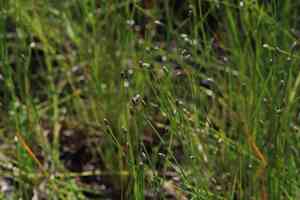
Eleocharis melanocarpa, a moisture-loving perennial, is recognized for its delicate, grass-like form and dark-colored fruits. Trim in early spring or winter while the plant is inactive. When pruning, eliminate any deceased or compromised stalks to foster robust development and preserve the plant's well-being. Performing this trimming during its dormant phases aids in reducing strain on the plant, leading to more vibrant and attractive growth in the subsequent period.
What Are the Benefits of Pruning Blackfruit Spikerush?
What Are the Benefits of Pruning Blackfruit Spikerush?
Trimming blackfruit spikerush promotes robust development and helps preserve its inherent form. Consistent cutting eliminates congested stems, allowing light and air to reach the plant's interior, improving its vitality and look.
What Is the Best Time for Pruning Blackfruit Spikerush?
What Is the Best Time for Pruning Blackfruit Spikerush?
Pruning blackfruit spikerush in early spring and winter aligns with its dormant and pre-growth phases, which are crucial for encouraging healthy regrowth and preventing stress. In early spring, just before the growth season begins, pruning helps stimulate new growth, ensuring the plant's energy is directed towards developing strong new shoots. Winter pruning is beneficial as it minimizes the risk of disease and pest infestation, which are typically lower during colder months. These seasons ensure blackfruit spikerush has ample time to heal and regenerate before the active growing season, enhancing its overall health and vigor.
What Tools Do I Need to Prune Blackfruit Spikerush?
Hand shears
Perfect for precise stem cutting and removing spent blooms to encourage new growth. Given its grass-like structure, blackfruit spikerush benefits from fine cutting without harming nearby plants.
Gardening scissors
Useful for making accurate cuts on delicate stems. These are vital for maintaining blackfruit spikerush's aesthetic appeal, ensuring a neat and controlled growth pattern.
Long-handled shears
Allows access to denser and potentially deeper parts of the plant without straining the gardener. Suitable for uniformly trimming larger areas.
How to Prune Blackfruit Spikerush
Identify diseased and withered leaves
Examine blackfruit spikerush closely to spot discolored, shriveled, or diseased leaves. These leaves are typically brown or black, unlike healthy green ones.
Clean pruning tools
Before you begin pruning, clean and sterilize your tools. This prevents disease spread between plants. Use rubbing alcohol or a 10% bleach solution to disinfect them.
Remove diseased and withered leaves
Using your sterilized pruning shears, carefully remove diseased and withered leaves from blackfruit spikerush. Cut each leaf at its base, ensuring not to harm nearby healthy leaves.
Dispose of removed materials
Collect and properly dispose of all removed leaves. Do not compost them as they may harbor pathogens. Seal them in a plastic bag and discard them in the trash.
Monitor and maintain
After pruning, regularly check blackfruit spikerush for further signs of wilting or disease. Repeat the cleaning and pruning process as needed to maintain blackfruit spikerush's health and vitality.
Common Pruning Mistakes with Blackfruit Spikerush
Overpruning
A common error is removing too much blackfruit spikerush foliage at once, which can stress the plant and hinder its growth. It's crucial to limit pruning to no more than one-third of the plant.
Inappropriate tools
Using dull or dirty tools can damage blackfruit spikerush's delicate stems, increasing disease risk. Always use sharp, clean shears for precise cuts.
Neglecting dead material
Failing to remove dead or dying stems can impede blackfruit spikerush's growth and diminish its overall health and appearance.
Improper timing
While this section does not specifically address the best season for pruning, pruning at the wrong time relative to the plant’s growth cycle can prevent it from flowering optimally.
Common Pruning Tips for Blackfruit Spikerush
Regular maintenance
Periodically inspect blackfruit spikerush for dead or damaged shoots and remove them. This upkeep keeps the plant neat and encourages healthier, more vigorous growth.
Sharp cuts
Ensure cuts are made cleanly with sharp, well-maintained tools to avoid crushing stems, which could lead to disease.
Minimal pruning
Since blackfruit spikerush is a relatively low-maintenance plant, light pruning is generally sufficient. Focus on preserving the plant's natural shape.
Clean equipment
Before and after pruning blackfruit spikerush, sterilize your pruning equipment with a solution of one-part bleach to nine parts water to prevent pathogen spread.



