How to Propagate Blackfruit spikerush?
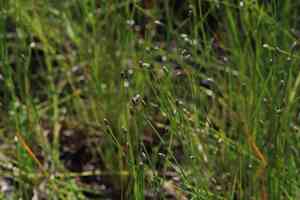
Blackfruit spikerush flourishes when multiplied through separation, an effective and straightforward technique for increasing its presence. To achieve this, gently divide the root mass into smaller segments, making sure each possesses a section of the root system. Immediately reintroduce these separated portions into damp, adequately draining substrate, replicating their native marshland environment. Consistent irrigation and exposure to partial or full sunlight encourage vigorous development, aiding these divisions in rapidly taking root and prospering.
What Is the Best Time To Propagate Blackfruit Spikerush?
Propagation Type
Splitting
Propagation Season
Spring,Autumn
What Tools Are Used in Blackfruit Spikerush Propagation?
Garden Spade
A garden spade is vital for carefully digging around and under blackfruit spikerush to minimize harm to the root system. Its sharp, flat blade is perfect for cutting through soil and helps in cleanly separating plant clumps for division.
Pruning Shears
Pruning shears are utilized to trim any dead or extra parts of blackfruit spikerush before and after division. This encourages healthier development and lowers the risk of disease transmission. The precise cuts made by sharp shears aid in the plant's quicker recovery.
Watering Can with Fine Rose
This implement is essential immediately following division to ensure blackfruit spikerush stays hydrated. The fine rose attachment disperses water gently and evenly, preventing soil erosion around the newly planted divisions and helping them establish.
Rooting Hormone (optional)
While not strictly necessary, applying a rooting hormone can boost root development in blackfruit spikerush divisions. This is especially beneficial for encouraging rapid establishment and robust root growth, helping the plant adapt faster to its new surroundings.
Plant Labels and Marker
These are important for keeping track of the blackfruit spikerush divisions, particularly if propagating multiple plants simultaneously. Proper labeling assists in monitoring the growth and health of each division, ensuring appropriate care and tracking propagation success.
How to Propagate Blackfruit Spikerush?
Propagation Type
Simple
How to Care for Your Newly Propagated Blackfruit Spikerush?
How to Care for Your Newly Propagated Blackfruit Spikerush?
After propagation, it's crucial to maintain consistent soil moisture for blackfruit spikerush. This plant does not tolerate dry conditions well; therefore, ensure the planting area or pots are adequately watered. Regularly check for pest issues or fungal infections which can sometimes follow the stress of propagation. As a water-loving plant, blackfruit spikerush will also benefit from occasional fertilization with a balanced, water-soluble fertilizer, tailored to aquatic or semi-aquatic plants, to support robust growth.
Common Mistakes to Avoid When Propagating Blackfruit Spikerush
Overwatering
Excessive water can lead to root rot and fungal diseases, impeding the growth of blackfruit spikerush. While blackfruit spikerush thrives in moist environments, overly saturated conditions are harmful.
Inadequate light
Insufficient light exposure results in poor growth and weak development. Blackfruit spikerush requires ample light for healthy growth, although it does tolerate some shade.
Crowding plants
Planting blackfruit spikerush too closely can restrict air circulation and nutrient uptake, potentially leading to weaker plants and increased vulnerability to pests and diseases.
Tips For Propagating Blackfruit Spikerush
Use clean tools
Using sterilized tools prevents the spread of diseases when cutting or handling blackfruit spikerush, ensuring healthier propagation and growth.
Adequate spacing
Provide sufficient space when planting blackfruit spikerush to ensure adequate nutrient availability and to prevent competition, fostering a stronger root system.
Appropriate substrate
Choosing a soil that mimics blackfruit spikerush's natural habitat (moist, nutrient-rich) supports better rooting and overall health. This is crucial since blackfruit spikerush naturally grows in wetland conditions.



