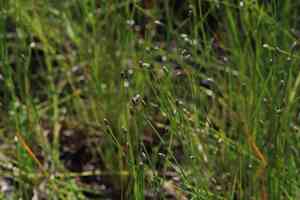
Blackfruit spikerush (Eleocharis melanocarpa)
Also known as: Blackfruit Spike-rush, Blackfruited Spike-rush
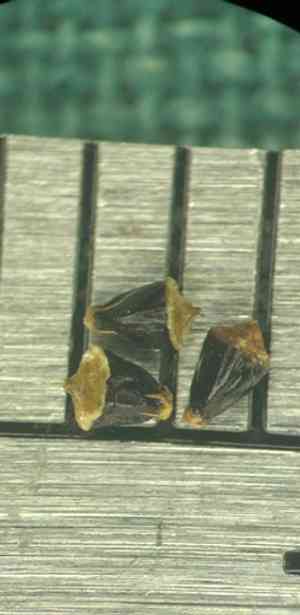
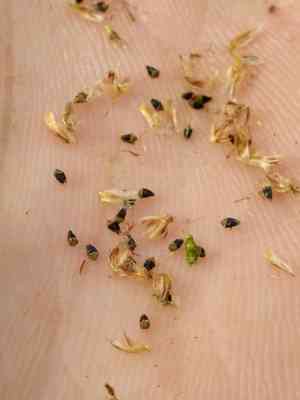
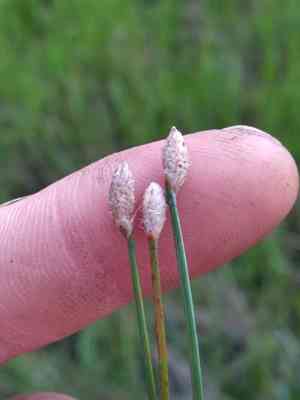
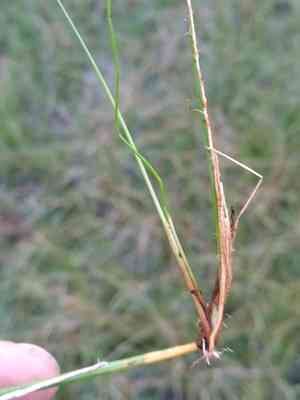
Blackfruit spikerush (Eleocharis melanocarpa) thrives in moist, marshy areas. This perennial plant is marked by its slender, unbranched, green stems that grow in dense clusters. The small, dark brown or black seeds (achenes) are a distinctive feature that aids in its identification. At maturity, the plant's flowers form small spikelets at the stem tips. The robust rhizomatous root system of blackfruit spikerush helps prevent soil erosion, purifies water by trapping sediments and absorbing pollutants, and provides vital habitat and food for various wetland species, thus supporting overall ecosystem biodiversity.
In This Article
Attributes of Blackfruit spikerush
Lifespan
Perennial
Plant Type
Grass
Plant Height
30-60 cm
Spread
N/A
Leaf Color
Green
Flower Size
N/A
Flower Color
White Purple Brown
Images of Blackfruit spikerush
Quickly Identify Blackfruit spikerush
1
This plant can be identified by its slender, erect stems and terminal flower clusters. The fruits are black or dark brown, which is a distinguishing feature.
Scientific Classification of Blackfruit spikerush
Phylum
Vascular plants
Class
Monocotyledons
Order
Poales
Family
Sedge
Genus
Eleocharis
Species
Blackfruit spikerush
Planting and Growing of Blackfruit spikerush
Care Difficulty
Moderate
Watering Schedule
Every 2 days
Sunlight Requirements
Full sun
Sunshine Duration
4-6 hours
Ideal Temperature
65-75℉
Soil Type
Potting Mix, Peat Mix
Soil pH
6.5-7.5
Fertilizer Type
Balanced
Pruning Season
Spring, Summer
Pruning Area
Branches, Leaves
Pruning Frequency
2 times a year
Repotting Season
Spring
Pot Type
Plastic, Ceramic
 How to Water Blackfruit spikerush?
Eleocharis melanocarpa thrives with moderate water levels. Make sure to water to a depth that reaches the root zone but avoid waterlogging. Around 500 ml per session is optimal, ensuring the soil remains moist but not oversaturated.
What are the symptoms of an underwatered Blackfruit spikerush?
›
What should I do if my Blackfruit spikerush is not getting enough water?
›
What are the symptoms of an overwatered Blackfruit spikerush?
›
How to save an overwatered Blackfruit spikerush?
›
 What Are the Sunlight Requirements for Blackfruit spikerush?
Eleocharis melanocarpa's ideal light conditions range from full sun to partial sun. Consistent and balanced light exposure ensures strong growth, vibrant foliage, and optimal health maintenance for the plant.
Optimal Light Type
›
Solutions to Achieve Ideal Lighting
›
Effects of Ideal Lighting
›
 What Is the Ideal Temperature Range for Blackfruit spikerush?
The ideal temperature range for cultivating Eleocharis melanocarpa is between 65 and 75 degrees Fahrenheit. This range provides optimal conditions for photosynthesis and nutrient uptake, promoting vigorous growth and healthy foliage. Ensuring this temperature helps prevent stress and potential diseases.
 What Soil is Best for Blackfruit spikerush?
Eleocharis melanocarpa thrives in soil that retains moisture, mimicking its natural wetland habitat. This ensures consistent hydration, promoting healthy growth and preventing the plant from drying out. A nutrient-rich substrate is vital for Eleocharis melanocarpa, providing essential minerals and nutrients needed for robust root and shoot development, leading to more vigorous overall plant health. While moisture retention is crucial, good drainage prevents water stagnation, reducing the risk of root rot and fungal infections, thus maintaining a balanced soil moisture profile that supports growth.
 How to Fertilize Blackfruit spikerush?
Eleocharis melanocarpa thrives best with a moderate amount of fertilizer. Ensure you use about 10 grams of balanced, water-soluble fertilizer per square meter. This amount helps the plant maintain its lush greenery without encouraging unwanted rapid growth, keeping it healthy and stable.
 How to Prune Blackfruit spikerush?
Begin by identifying any dead, diseased, or damaged stems. Remove these first as they can inhibit growth and spread disease to healthy parts of the plant. Carefully shape the plant by trimming excess growth. Aim for a balanced look by cutting stems at a slight angle, just above a node, which will promote new growth and help in maintaining a compact, attractive shape. After pruning, make sure to clean up all trimmings and debris from around the base of the plant. This reduces the risk of fungal infections and keeps the surrounding area tidy.
More About Pruning Techniques→
 How to Propagate Blackfruit spikerush plant?
1
Begin by collecting seeds from mature Eleocharis melanocarpa plants. Clean the seeds to remove any plant debris and allow them to dry. This helps in enhancing germination rates by ensuring that only viable seeds are used.
2
For successful propagation, prepare a nutrient-rich, well-draining soil mix. Use a combination of sand, peat, and loam to create an ideal environment for germination and growth. The soil should be moist but not waterlogged.
3
Sow seeds evenly on the surface of the soil in seed trays, or plant divisions directly in pots. Cover seeds with a light layer of soil. For divisions, ensure the root system is adequately covered, and water them thoroughly after planting.
 How to Repot Blackfruit spikerush plant?
1
For Eleocharis melanocarpa, the clear signal for repotting is when roots start breaching the pot's drainage holes or visible root-bound symptoms appear. Also, if water drains too quickly or slowly, or the plant seems to outgrow its pot, it's time to consider repotting in spring or autumn.
2
Opt for a pot that is about two sizes larger than the existing one, ensuring it has ample drainage holes. A larger pot allows room for root expansion, which is crucial for healthy growth. Choosing the right size prevents over-watering issues and facilitates better root aeration.
3
Select a moist, sandy, humus-rich soil that promotes excellent drainage while retaining essential moisture. The ideal soil mimics the plant's natural wetlands habitat, ensuring nutrients are available, aiding root development, and minimizing the risk of root rot.
Learn More About Blackfruit spikerush Diseases
Anthracnose
Bacterial Leaf Spot
Bacterial Soft Rot
Bacterial Wilt
Chemical Injury
Damping-off
Downy Mildew
Drought Stress
Fusarium Wilt
Gray Mold
Leaf Spot
Mosaic
Nutrient Deficiency
Nutrient Toxicity
Powdery Mildew
Root Rot
Root-knot Nematode
Rusts
Sooty Mold
Spider Mites
Temperature Stress
Thrips Damage
White Mold



