How to Transplant Common elaeocarpus?
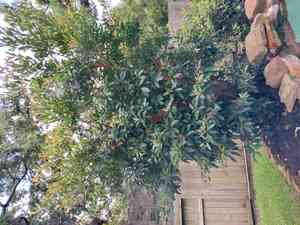
Relocate common elaeocarpus once winter's cold recedes but prior to summer's warmth, ensuring it begins optimally in a brightly lit area with adequately draining earth. This period leverages natural developmental rhythms, fostering vigorous development.
Essential Preparations Before Relocating Common Elaeocarpus?
Optimal Period for Moving Common Elaeocarpus?
The prime window for relocating common elaeocarpus spans from the onset of early spring to its gentle conclusion in late spring, or during the tranquil period from late autumn to the core of mid-winter. This timeframe offers cooler temperatures and mild conditions, creating an ideal environment for common elaeocarpus to establish its root system without the stress of extreme heat or cold. Shifting common elaeocarpus during these seasons ensures they awaken in their new spot with spring's vitality or have ample time to settle before winter dormancy. A friendly tip: your common elaeocarpus will flourish with stronger growth and better adaptation when moved during these temperate periods, enhancing your garden's vibrancy and allure!
Recommended Spacing Between Common Elaeocarpus Specimens?
When rehoming your common elaeocarpus, aim to provide ample room for development. An ideal spacing of 24-60 feet (7.3-18.3 meters) between plants is recommended. This allows your common elaeocarpus sufficient space to expand its branches and thrive, ensuring a robust future.
Best Soil Mixture for Common Elaeocarpus Relocation?
Prior to placing common elaeocarpus in its new spot, prepare the soil to be well-draining with a slightly acidic to neutral pH. Incorporate a balanced, slow-release fertilizer to supply common elaeocarpus with essential nutrients. A mixture rich in organic matter will make it feel perfectly at home!
Optimal Placement for Your Common Elaeocarpus?
Select a site where common elaeocarpus can absorb sunlight, as it prefers full to partial sun exposure. Whether it's a location bathed in sun all day or one that receives a mix of sun and shade, ensure your common elaeocarpus can bask in those golden rays for healthy development.
Equipment Needed Before Transplanting Common Elaeocarpus?
Gardening Gloves
To safeguard your hands while handling soil and plants.
Spade or Shovel
For excavating the plant and preparing the new planting site.
Garden Trowel
For more precise digging and manipulating smaller quantities of soil.
Watering Can or Garden Hose
For hydrating the plant before and after the relocation process.
Pruning Shears
To trim any damaged roots or excessive top growth prior to transplanting.
Wheelbarrow or Garden Cart
To assist in moving the plant and soil materials.
Measuring Tape
To ensure proper distance from other plants and structures.
Mulch
To help maintain soil moisture and reduce weed competition after transplant.
How to Extract Common Elaeocarpus from the Ground?
How to Extract Common Elaeocarpus from the Ground?
From Ground: First, hydrate the common elaeocarpus to moisten the soil, which will help reduce root shock and facilitate digging. Using a spade or shovel, dig a circular trench around the plant, approximately a foot from the stem, to avoid severing major roots. Leverage the shovel handle to loosen the soil and rock it back and forth to create lift. Once the root ball is adequately loose, carefully lift the common elaeocarpus out.From Pot: Water the soil in the container, then tilt the pot sideways and tap its sides to loosen the roots and soil. Gently pull the common elaeocarpus out by the base of its main stem, supporting the root ball. If the plant is root-bound, carefully untangle the roots before transplanting to encourage outward growth.From Seedling Tray: Water the seedlings thoroughly. Use a garden trowel or your fingers to gently lift the seedling by its leaves, not its delicate stem, ensuring the entire root ball and attached soil are removed with it.
Detailed Guide for Relocating Common Elaeocarpus
Prepare the New Location
Excavate a hole twice the width and equal to the depth of the common elaeocarpus's root ball to allow ample space for root expansion.
Examine the Root Ball
Inspect the root ball for any indications of disease or damage and use pruning shears to remove any unhealthy-looking roots.
Positioning the Plant
Place the common elaeocarpus in the center of the hole, ensuring it stands upright and at the same depth it was previously growing. The top of the root ball should be level with the surrounding ground.
Backfill the Hole
Refill the hole with the original soil that was removed. Gently compact the soil around the roots to eliminate air pockets.
Thoroughly Water
After planting, deeply water the common elaeocarpus to help settle the soil around the roots and provide essential hydration for recovery.
Apply Mulch
Spread a layer of mulch around the base of the common elaeocarpus to aid in moisture retention and regulate soil temperature.
Post-Transplant Care for Common Elaeocarpus?
Stabilization
Provide support with stakes if common elaeocarpus shows signs of leaning or instability, particularly in windy areas.
Pruning
Trim any branches that may have been damaged during the transplant to promote new growth and a healthy form.
Monitoring
Observe common elaeocarpus daily for signs of transplant shock, such as wilted or discolored leaves, and address them promptly.
Pest Control
Watch for pests that might exploit common elaeocarpus's stressed state and manage infestations immediately.
Resolving Common Issues with Common Elaeocarpus Relocation.
When is the optimal time of year to move common elaeocarpus?
The best time for common elaeocarpus relocation is during the cooler seasons, from early spring to late spring or from late fall through mid-winter.
What spacing is needed between common elaeocarpus plants?
Aim to space common elaeocarpus plants approximately 24 to 60 feet (7.3 to 18.3 meters) apart to accommodate their growth.
How deep should the planting hole be for common elaeocarpus?
Dig a hole that is twice as wide and the same depth as the common elaeocarpus's root ball for optimal growth.
Should I enrich the soil when relocating common elaeocarpus?
Improve your soil with compost or aged manure to enhance nutrient content and ensure a successful transplant.
How much water should common elaeocarpus receive after transplanting?
Water common elaeocarpus generously immediately after transplanting, then maintain consistent moisture, especially in the initial weeks.
Can I move common elaeocarpus on a sunny day?
Relocate common elaeocarpus on a cloudy day or in the late afternoon to avoid immediate sun exposure, minimizing transplant shock.
What indicators of transplant shock should I look for in common elaeocarpus?
Watch for wilting, yellowing leaves, or stunted growth in common elaeocarpus, which are typical signs of transplant shock.
How do I know if common elaeocarpus roots are established?
Root establishment for common elaeocarpus can be determined by new growth appearing on the plant, usually within one growing season.
Is pruning necessary for common elaeocarpus during transplanting?
Light pruning can be beneficial to remove damaged or diseased branches and encourage common elaeocarpus to prioritize root development.
What is the risk of planting common elaeocarpus too deeply?
Planting common elaeocarpus too deeply can suffocate the roots and lead to rot; ensure the top of the root ball is level with the soil surface.



