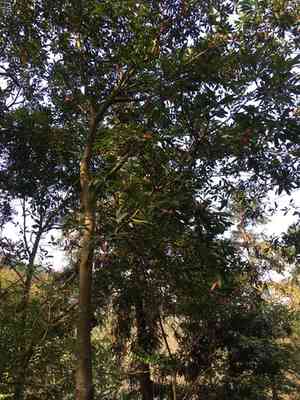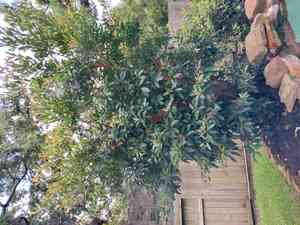
Common elaeocarpus(Elaeocarpus decipiens)

Common elaeocarpus (Elaeocarpus decipiens)

Also known as: Elaeocarpus, Japanese Blueberry Tree

Cultivating common Elaeocarpus as an ornamental shrub offers several advantages:

1. **Evergreen Foliage**: Its leaves provide year-round greenery, transitioning from bronze to green as they mature, adding dynamic color variations.
2. **Dense Growth**: Its lush, thick foliage makes it an excellent choice for creating privacy hedges or serving as a windbreak.
3. **Attractive to Wildlife**: The shrub's flowers draw pollinators such as bees and butterflies, contributing to local ecosystems, while its foliage can be a food source for deer.
4. **Versatile Usage**: Suitable for use as a standalone garden feature, part of mixed borders, or as a functional hedge.
5. **Low Maintenance**: Once established, it requires minimal upkeep, making it ideal for both novice and experienced gardeners.

Attributes of Common elaeocarpus

Lifespan
Perennial
Plant Type
Tree
Plant Height
9 m to 12 m
Spread
9 m to 12 m
Leaf Color
Green
Flower Size
5 cm to 10 cm
Flower Color
Yellow Green

ForwardPlant - Identify plants with a snap

Identify and diagnose plants, get toxicity alerts, and explore safety guides for all types of fungi.

Try for Free

Images of Common elaeocarpus

Common elaeocarpus(Elaeocarpus decipiens)

Quickly Identify Common elaeocarpus

1
Elliptical, lustrous dark green leaves with bronzy tint in new growth; turn orange before falling.
2
Cream-colored, fragrant, downward-hanging flowers with elegant fringed petals, measuring 0.4-0.6 inches (1-1.5 cm).
3
Distinctive oblong bluish-purple fruits, 0.5-1 inch (1.3-2.5 cm) in length, developing in fall.
4
Evergreen shrub or tree reaching 20-35 feet (6-11 meters) in height with dense, compact growth habit.
5
Prefers full sun to partial shade, well-drained soils, and regular watering for establishment.

Scientific Classification of Common elaeocarpus

Phylum
Vascular plants
Class
Dicotyledons
Order
Woodsorrels, quandongs, and allies
Family
Elaeocarpus
Genus
Elaeocarpus
Species
Common elaeocarpus

Planting and Growing of Common elaeocarpus

Care Difficulty
Easy
Watering Schedule
Every 8 days
Sunlight Requirements
Full sun
Sunshine Duration
4-8 hours
Ideal Temperature
60-75℉
Soil Type
Potting Mix, Peat Mix
Soil pH
6.5-7.5
Fertilizer Type
Balanced
Pruning Season
Spring, Summer
Pruning Area
Branches, Leaves
Pruning Frequency
2 times a year
Repotting Season
Spring
Pot Type
Plastic, Terracotta

water icon How to Water Common elaeocarpus?

Elaeocarpus decipiens, commonly known as the Japanese Blueberry Tree, requires a moderate amount of water. Each watering session should provide approximately 500 milliliters of water. Ensure the soil is evenly moist but not waterlogged, which helps maintain the root health and promotes optimal growth.
What are the symptoms of an underwatered Common elaeocarpus?
What should I do if my Common elaeocarpus is not getting enough water?
What are the symptoms of an overwatered Common elaeocarpus?
How to save an overwatered Common elaeocarpus?

sunlight icon What Are the Sunlight Requirements for Common elaeocarpus?

Sunlight Requirements: Full sun, Partial sun
Duration of light: 6 to 8 hours
Elaeocarpus decipiens thrives ideally in an environment providing partial to full sunlight, around 6 to 8 hours daily. This range supports optimal growth, vibrant foliage, and maximizes its photosynthetic capabilities, ensuring the plant remains lush and healthy.
What type of lighting does Elaeocarpus decipiens prefer?
What are the solutions to achieve ideal lighting?
What benefits does ideal lighting provide?

temperature icon What Is the Ideal Temperature Range for Common elaeocarpus?

Ideal Temperature: 60 ~ 75℉
Elaeocarpus decipiens thrives in temperatures ranging from 60 to 75°F. This range provides the optimal conditions for growth, ensuring the plant can photosynthesize effectively, uptake water efficiently and maintain cellular processes. Proper temperature conditions lead to robust health and enhanced foliage development for this species.

soil icon What Soil is Best for Common elaeocarpus?

Soil type: Loam, Sandy loam
Soil PH: 6.5 ~ 7.5
Elaeocarpus decipiens thrives best in well-drained soils. These soils prevent waterlogging, which can otherwise lead to root rot. A well-drained soil ensures healthy root development and prevents nutrient leaching. While Elaeocarpus decipiens is quite drought-tolerant, it performs optimally with moderately moist soil. It helps maintain hydration without drowning the roots, promoting healthy growth. This plant prefers a nutrient-rich soil that provides the essential nutrients needed for its lush growth. Ensuring a nutrient-dense environment can lead to more vibrant foliage and robust plant health.

fertilize icon How to Fertilize Common elaeocarpus?

Fertilizer type: Balanced
Elaeocarpus decipiens thrives with moderate fertilization. During the growing season, apply a balanced liquid fertilizer every two weeks, diluting it to half the recommended strength to avoid root burn. For slow-release granules, use them thrice a year, around spring, summer, and early fall. Typically, 50 grams per square meter is adequate for maintaining vibrant foliage and ensuring healthy growth.

prune icon How to Prune Common elaeocarpus?

Pruning Time: Spring, Summer, Autumn
Examine Elaeocarpus decipiens from different angles and identify dead or diseased branches, as well as those disrupting the symmetry. This assessment will guide where cuts should be made for better plant shape and health. Start by removing any dead or diseased branches using your pruners. Make cuts at a slight angle just above healthy nodes, promoting faster healing. This initial cut helps prevent disease spread and stimulates stronger growth. Trim the plant to maintain its natural shape. Focus on thinning dense areas to improve air circulation and light penetration. This promotes healthier foliage and prevents potential pest infestations and fungal issues. Monitor the plant regularly and prune any small shoots or suckers that appear at the base. Routine maintenance ensures that Elaeocarpus decipiens retains its desired form and continues growing vigorously throughout the seasons. More About Pruning Techniques

propagate icon How to Propagate Common elaeocarpus plant?

Propagate Time: Spring, Early spring, Late spring
1
Begin by filling seed trays with a high-quality potting mix. This mix should be well-draining to prevent the seeds from rotting. Firm the mix gently before sowing the seeds.
2
Place the seeds on the surface of the potting mix and cover them lightly with a thin layer of vermiculite. Mist the surface with water, ensuring the seeds are moistened but not waterlogged.
3
Select healthy cuttings from the parent plant. Cut below a leaf node using sharp pruners. Remove the leaves from the lower part of the cutting, leaving at least one or two on top.

repot icon How to Repot Common elaeocarpus plant?

Repotting frequency: Biennially or as needed
1
Elaeocarpus decipiens should be repotted when you notice root-bound conditions, such as roots curling out of the drainage holes, or the plant exhibiting slow growth despite optimal care. These signs indicate that it's time for the plant to have more space to spread its roots and access nutrients effectively.
2
Select a pot that is slightly larger than the current one, with ample drainage holes to prevent waterlogging and root rot. A pot that is too big can cause the soil to retain too much moisture, leading to potential health issues for the plant.
3
Use a loamy, well-draining soil mix. This type of soil provides adequate aeration, prevents water stagnation, and delivers essential nutrients, helping the roots develop healthily and minimizing the risk of diseases.

ForwardPlant - Identify plants with a snap

Find the best spots for them to optimize their health, simply using your phone.

Try for Free