The Common elaeocarpus Plant Advantage: Maximizing Home and Office Appeal and Wellness
1
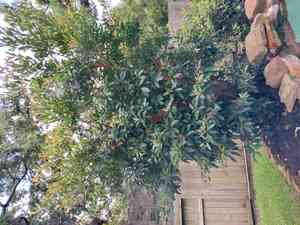
Common elaeocarpus frequently serves as a visually appealing decorative plant in outdoor spaces.
2
The foliage of Common elaeocarpus possesses inherent qualities that cleanse the air.
3
Common elaeocarpus needs minimal upkeep, flourishing in diverse soil compositions and weather patterns.
Why Select Common Elaeocarpus for Your Outdoor Space?
Visual Appeal
A primary reason gardeners favor Common elaeocarpus is its striking aesthetic charm. With shiny, evergreen foliage and an elegant form, Common elaeocarpus adds a touch of refinement to any garden or landscape. Its ability to retain vibrant color all year ensures your garden stays lively regardless of the season.
Adaptability in Landscaping
The adaptability of Common elaeocarpus in landscape design is remarkable. It readily adjusts to various soil types, including sandy, loamy, and clay. This flexibility makes Common elaeocarpus an ideal option for diverse planting schemes, from individual ornamental specimens to lush, green hedges and borders. Furthermore, its moderate growth rate offers manageable upkeep while allowing ample flexibility in shaping and training.
Environmental Benefits of Common Elaeocarpus
Air Purification Capabilities
Beyond its beauty, Common elaeocarpus significantly contributes to enhancing air quality. The large, dense leaves of Common elaeocarpus are highly effective at capturing dust, pollen, and other airborne particles. By absorbing carbon dioxide and releasing oxygen, this plant plays a vital role in maintaining a healthier atmosphere, especially in urban areas where air pollution is a growing concern.
Erosion Control and Soil Health
The robust root system of Common elaeocarpus makes it an excellent choice for erosion prevention. Planting Common elaeocarpus along slopes and embankments can help stabilize the ground, reducing the risk of landslides and soil erosion. Moreover, the plant improves soil health by enhancing its structure and fertility. Its fallen leaves decompose, enriching the soil with organic matter and nutrients, thereby supporting the growth of other nearby plants.
How to Maintain Common Elaeocarpus?
Watering and Soil Needs
Common elaeocarpus thrives in well-drained soil and requires moderate irrigation. While it is relatively low-maintenance, it is crucial to ensure the soil avoids extended periods of dryness or excessive wetness. Applying mulch around the plant's base can help retain soil moisture and temperature, providing a more stable environment for development.
Pruning and Pest Management
Regular trimming helps maintain the shape and promotes healthier growth of Common elaeocarpus. It is best to prune during late winter or early spring when the plant experiences less stress. Although Common elaeocarpus is generally pest-resistant, it is wise to monitor for common garden pests and diseases. Implementing organic pest control methods, such as introducing beneficial insects, can effectively manage any potential issues.



