How to Prune Common elaeocarpus?
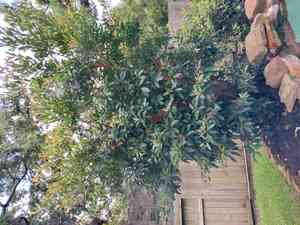
This perennial tree, distinguished by its lustrous foliage and campanulate blossoms, flourishes with appropriate trimming. For common elaeocarpus, the optimal period for pruning is winter, while it is inactive, to sculpt its crown, eliminate any deceased or impaired limbs, and stimulate new development. Judicious thinning improves light access and air movement, fostering a more robust specimen. Trim conservatively to preserve the plant's inherent structure, taking into account its average growth pace.
Advantages of Trimming Common Elaeocarpus
Advantages of Trimming Common Elaeocarpus
Trimming common elaeocarpus encourages robust development and helps maintain its desired form. Consistent cutting back can result in dense foliage and a neat, compact structure, ensuring common elaeocarpus remains an appealing landscape element.
Optimal Period for Trimming Common Elaeocarpus
Optimal Period for Trimming Common Elaeocarpus
Trimming common elaeocarpus during late winter is considered ideal as the plant is likely still dormant. This timing prevents the trimming from interfering with the spring growth surge, as the plant can recover from cuts before the start of the growing season. Late winter trimming minimizes the risk of common elaeocarpus developing illnesses and pest infestations, as many pathogens are inactive during cold weather. Furthermore, without leaves, the structure of common elaeocarpus is more visible, allowing for more precise cuts that enhance the plant's shape and promote healthy growth and air circulation. This timing also avoids disrupting the flowering season of common elaeocarpus, ensuring that the plant can display its best blooms at the appropriate time.
Tools Required for Trimming Common Elaeocarpus
Bypass Pruners
Bypass pruners are perfect for making precise cuts on young or soft growth of common elaeocarpus. Their sharp, curved blades operate like scissors, ensuring clean cuts without harming the branches.
Loppers
For branches thicker than what bypass pruners can handle, loppers provide the necessary leverage. Equipped with long handles, they allow gardeners to reach into the canopy and remove larger branches without causing undue stress to common elaeocarpus.
Pruning Saw
When dealing with the mature and thicker branches of common elaeocarpus, a pruning saw is essential. Its serrated blade enables cutting through wood that is too thick for loppers while still ensuring a smooth cut that will heal properly.
Hedge Shears
Hedge shears are useful for shaping common elaeocarpus if it's being maintained as a hedge or requires extensive thinning. They allow for the cutting of multiple small branches at once, facilitating the shaping process.
How to Trim Common Elaeocarpus
Identify
Locate and mark all dead and diseased branches on common elaeocarpus that need trimming. Focus on branches that show signs of discoloration, lack of leaves, or visible damage.
Disinfect
Disinfect your trimming tools with a 10% bleach solution or rubbing alcohol to prevent the spread of diseases during the trimming process.
Cut dead branches
Using sharp and clean trimming shears, make cuts on dead branches. Cut close to the trunk or to a main branch, without damaging the branch collar. This allows common elaeocarpus to heal more effectively.
Remove diseased branches
Carefully trim away diseased branches by cutting at least several inches into healthy wood, past the point of visible infection to ensure complete removal of diseased tissue on common elaeocarpus.
Clean up
Collect all trimmed material and dispose of it properly, away from healthy plant material. Clean the trimming tools again to eliminate any potentially infectious residues.
Common Trimming Errors with Common Elaeocarpus
Excessive Trimming
Removing too much foliage can stress common elaeocarpus, hindering its ability to photosynthesize and grow properly. This can lead to a weakened state, making it susceptible to pests and diseases.
Incorrect Cuts
Improper cutting techniques can result in jagged or torn branches that are more vulnerable to infections. It's essential to make clean cuts at the proper angle to minimize damage.
Neglecting Tools Hygiene
Using tools that are dirty or not properly sterilized can introduce pathogens to common elaeocarpus, spreading disease across the plant and potentially to other nearby plants.
Flush Cutting
Cutting branches flush against the trunk removes the branch collar, which is critical for proper wound healing. This can lead to decay that may affect the overall health of common elaeocarpus.
Trimming Healthy Growth
Indiscriminately cutting off healthy branches can reduce common elaeocarpus's vigor and bloom potential. Trimming should focus on removing only the necessary parts of the plant.
Common Trimming Advice for Common Elaeocarpus
Clean Cuts
Use sharp, sterile trimming shears to make clean cuts on common elaeocarpus. This helps in faster healing and reduces the risk of disease.
Thin Interior
Thinning the interior branches of common elaeocarpus allows better air circulation and light penetration, essential for the health of the plant and preventing fungal issues.
Remove Dead Wood
Regularly removing dead, diseased, or damaged branches from common elaeocarpus helps to maintain its health and appearance, while also reducing potential infection sites.
Respect Natural Shape
Trim common elaeocarpus by following its natural growth pattern. This promotes a more aesthetically pleasing shape and minimizes stress on the plant.
Selective Trimming
Instead of heavy-handed trimming, selectively cut back branches of common elaeocarpus to encourage productive growth and flowering. Target leggy or overgrown branches to maintain a balanced structure.



