How to Transplant Perennial Veldtgrass?
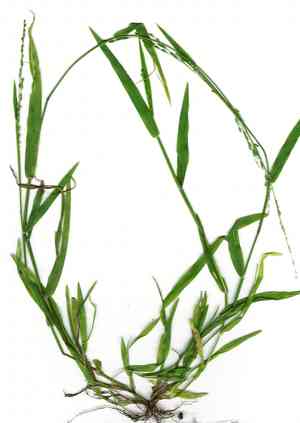
The optimal period for relocating perennial Veldtgrass extends from the onset of early spring through the beginning of summer. Select a location featuring soil that drains effectively, providing perennial Veldtgrass with abundant solar exposure. Carefully separating the root mass during the transfer process fosters vigorous development.
Preparations Required Before Relocating Perennial Veldtgrass
Optimal Period for Moving Perennial Veldtgrass?
The perfect time to move perennial Veldtgrass is during the pleasantly cool, lively days of early to mid-spring. Transplanting perennial Veldtgrass at this point allows it to adapt to new surroundings with the vigor of spring growth, maximizing root establishment before summer heat. Choosing this season provides perennial Veldtgrass the best start in its new spot, giving it ample time to develop strong root systems, leading to healthier, more robust growth and beautiful gardens for years ahead.
Recommended Spacing Between Perennial Veldtgrass Plants?
When introducing perennial Veldtgrass to your garden, consider providing them ample room to thrive. Aim for a comfortable spacing, approximately 6-12 inches (15-30 cm) apart. This will give your plants the necessary space to spread their roots and expand!
Ideal Soil Mixture for Perennial Veldtgrass Relocation?
For perennial Veldtgrass, the ground beneath is crucial. Prepare a site with well-drained soil, rich in organic matter, such as compost or aged manure. A balanced, slow-release fertilizer will provide the necessary boost for them to settle in – consider it a small welcome gift for your plants!
Where to Replant Your Perennial Veldtgrass?
Just like us, perennial Veldtgrass enjoys a sunny spot to soak up the rays! Select a location that receives abundant sunshine, at least 6 hours of direct light daily, so your perennial Veldtgrass can absorb the light and flourish. Avoid excessive shade; these plants are sun-lovers!
Equipment to Prepare Before Transplanting Perennial Veldtgrass
Gardening Gloves
To safeguard your hands while handling soil and plants.
Shovel or Spade
To carefully excavate the plant with minimal root disturbance.
Garden Fork
To loosen compacted soil surrounding the plant's root system.
Wheelbarrow
For moving the plant and soil to and from the new planting site.
Pruning Shears
To trim any damaged or overly long roots prior to replanting.
Watering Can or Hose
To thoroughly water the plant before and after its relocation.
How to Extract Perennial Veldtgrass from the Soil?
How to Extract Perennial Veldtgrass from the Soil?
From Ground: Begin by watering the perennial Veldtgrass to soften the soil and reduce root damage. Proceed with a shovel or spade to dig a wide perimeter around the plant, being careful to keep the root ball intact. Gently pry beneath the root ball with the spade to lift the plant.From Pot: First, water the perennial Veldtgrass thoroughly. Turn the pot on its side and tap the edges to loosen the soil. Slowly ease the plant out by its base, supporting the root ball to prevent it from breaking apart.From Seedling Tray: Water the seedlings to keep the soil cohesive. Use a garden fork or similar tool to carefully lift the perennial Veldtgrass out of its cell, taking care not to disturb the root system.
Detailed Guide for Transplanting Perennial Veldtgrass
Preparing the New Location
Identify the new planting spot. Gently cultivate the soil with a garden fork to loosen and aerate it, creating an inviting environment for the perennial Veldtgrass's roots. Ensure the area is clear of weeds and debris.
Digging the Planting Hole
Excavate a hole that is twice as wide and as deep as the perennial Veldtgrass's current root ball. This extra space is essential for the roots to spread out easily.
Plant Placement
Position the perennial Veldtgrass in the center of the new hole. The top of the root ball should be level with the surrounding soil surface to promote proper root development.
Backfilling the Hole
Carefully refill the soil around the root ball, gently patting it down to eliminate air pockets. Leave the soil level slightly lower around the stem to form a basin for water to collect and reach the roots.
Initial Watering
Immediately after planting, water the perennial Veldtgrass generously to help settle the soil and remove any remaining air pockets. This initial watering is crucial for the plant's recovery from transplant shock.
Post-Transplanting Care for Perennial Veldtgrass
Initial Watering
Provide sufficient water to the perennial Veldtgrass immediately after transplanting to aid recovery.
Monitoring
Observe the perennial Veldtgrass daily for signs of transplant shock, such as wilting or discolored leaves, and intervene as needed.
Support
Stake the perennial Veldtgrass if it is tall or unstable to help it withstand wind and weather conditions as it establishes.
Mulching
Apply a layer of organic mulch around the base of the perennial Veldtgrass to retain moisture, regulate soil temperature, and deter weeds.
Gradual Adaptation
Reduce watering frequency progressively to encourage the perennial Veldtgrass to develop a deep and strong root system.
Addressing Common Issues with Perennial Veldtgrass Transplantation.
When is the best time of year to transplant perennial Veldtgrass?
Transplanting perennial Veldtgrass thrives when performed from early to late spring, offering a gentle start for root establishment.
How much space should I leave between perennial Veldtgrass plants?
Aim for a spacing of 6-12 inches (15-30 cm), which allows ample room for growth while maintaining density.
What should I do if perennial Veldtgrass wilts after transplanting?
Ensure it receives adequate water without over-saturating and verify that the soil drains well to prevent root rot.
Can perennial Veldtgrass be transplanted in shade?
Preferably not. Perennial Veldtgrass flourishes in full sun to partial shade to ensure proper growth and vitality.
What soil type is best for transplanting perennial Veldtgrass?
Use well-draining, fertile soil. Amend with compost to enhance soil structure and nutrient content.
How deep should I dig the hole for transplanting perennial Veldtgrass?
Dig a hole twice the width of the root ball and equally deep to encourage proper root expansion.
Should I fertilize perennial Veldtgrass after transplanting?
Wait 4-6 weeks post-transplant before introducing a balanced, slow-release fertilizer to allow roots time to adjust.
Why are my perennial Veldtgrass plants not standing upright after transplant?
Gentle staking can help perennial Veldtgrass maintain an upright position as they adapt to their new environment.
How often should I water perennial Veldtgrass post-transplanting?
Water perennial Veldtgrass thoroughly after planting and then regularly, allowing the soil to dry slightly between waterings.
Is mulching beneficial for perennial Veldtgrass after transplanting?
Yes, a layer of mulch helps retain soil moisture, regulates temperature, and suppresses weeds around your perennial Veldtgrass.



