How to Prune Perennial Veldtgrass?
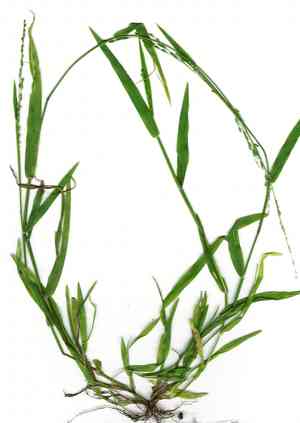
A resilient grass exhibiting robust development, perennial Veldtgrass flourishes with periodic trimming to preserve its vitality and look. Cut back in the initial part of spring prior to its active growth period, or throughout its winter resting phase, to foster thicker leaves and avert self-propagation, which could result in an invasive spread. Consistent removal of faded blooms is advantageous. Trimming is essential for managing its expansion, guaranteeing an attractive shape, and stimulating fresh development for this sturdy perennial.
Advantages of Trimming Perennial Veldtgrass
Advantages of Trimming Perennial Veldtgrass
Trimming perennial Veldtgrass stimulates robust development and assists in preserving its desired form. Consistent cutting promotes a dense, rich appearance and prevents excessive growth in garden areas.
Optimal Period for Trimming Perennial Veldtgrass
Optimal Period for Trimming Perennial Veldtgrass
Trimming perennial Veldtgrass in early spring coincides with the plant's awakening from dormancy. This timing encourages strong new growth as the plant enters its active development phase. It's also a time when the plant hasn't yet used energy for flowers or seeds, allowing it to recover quickly and direct resources to new, healthy growth. Winter pruning is ideal as perennial Veldtgrass is dormant. This reduces stress on the plant since its growth cycle for the year has ended. Furthermore, the lack of foliage during this period offers better visibility for spotting dead or diseased branches, enabling more precise pruning.
Tools Required for Trimming Perennial Veldtgrass
Hand Pruning Shears
Perfect for making precise cuts on perennial Veldtgrass. These shears can easily snip thin stems and are used to shape the grass or remove dead foliage.
Grass Clippers
Effective for trimming and shaping the edges of perennial Veldtgrass when accuracy is needed, especially for grass borders.
String Trimmer
A string trimmer can quickly and efficiently cut back larger sections of perennial Veldtgrass, useful if it has spread widely or if you're maintaining a big area.
Hedge Shears
Excellent for cutting back larger clumps of perennial Veldtgrass during seasonal upkeep to encourage healthy new growth and prevent overgrowth.
Long-Handled Loppers
These are helpful for reaching into denser patches of perennial Veldtgrass where additional leverage might be necessary to cut through thicker, mature stems.
How to Trim Perennial Veldtgrass
Identify and prepare
Locate the diseased and withered leaves on perennial Veldtgrass. Ensure you have clean, sharp pruning shears to avoid harming the plant and spreading illness.
Sanitize tools
Before starting to trim perennial Veldtgrass, disinfect the pruning shears with alcohol or a bleach solution to prevent the spread of pathogens.
Cut diseased leaves
Carefully remove the diseased leaves from perennial Veldtgrass, cutting close to the leaf's base without damaging the main stem or adjacent healthy leaves.
Remove withered leaves
Remove dried leaves from perennial Veldtgrass by making clean cuts at the base of each leaf to promote healthy growth and improve air circulation.
Disposal
Properly dispose of the removed diseased and withered leaves, far from perennial Veldtgrass, to prevent any disease from spreading back to the plant or nearby plants.
Common Trimming Errors with Perennial Veldtgrass
Excessive pruning
Removing too much foliage at once, which can stress perennial Veldtgrass and lead to poor health or development.
Incorrect tools
Using dull or dirty tools which can cause jagged cuts and introduce disease into perennial Veldtgrass.
Cutting at wrong angle
Making cuts at an improper angle can harm perennial Veldtgrass and hinder proper healing.
Tearing limbs
Tearing or ripping branches instead of cutting can lead to unnecessary injury and may negatively impact perennial Veldtgrass's growth.
Ignoring dead material
Failure to remove dead or diseased material which can impede the growth of perennial Veldtgrass and spread illness.
General Trimming Advice for Perennial Veldtgrass
Clean tools
Use sharp, clean pruning tools to make precise cuts and prevent disease transmission in perennial Veldtgrass.
Selective pruning
Trim selectively, removing only dead, diseased, or overgrown parts to maintain perennial Veldtgrass's health and form.
Cutting technique
Make cuts at a 45-degree angle just above a leaf node or bud to encourage perennial Veldtgrass to heal correctly and promote new growth.
Regular maintenance
Regularly inspect perennial Veldtgrass and remove any unwanted growth to prevent the plant from becoming overgrown.
Gentle pruning
For new gardeners, begin with more gentle trimming to understand perennial Veldtgrass's growth pattern before making more significant cuts.



