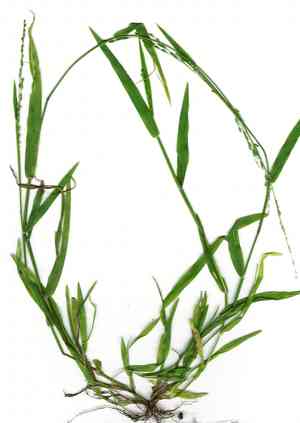
Perennial Veldtgrass (Ehrharta calycina)
Also known as: veldt grass, perennial veldtgrass, eyebright
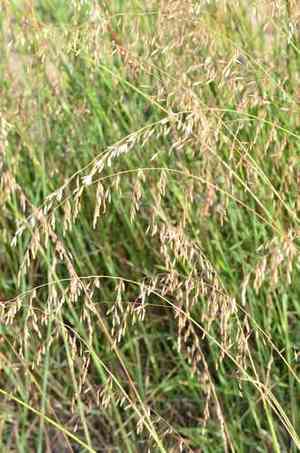
The plant typically stands between 30 to 71 cm tall, though it can grow taller under ideal conditions. Initially, the inflorescence appears as a light-colored, narrow to wide cluster of spikelets, but as it matures, it darkens and often takes on purple or reddish hues.
In This Article
Attributes of Perennial Veldtgrass
Lifespan
Perennial
Plant Type
Grass
Plant Height
30-100 cm
Spread
N/A
Leaf Color
Green
Flower Size
N/A (flowers are small and not typically measured by diameter)
Flower Color
Purple Green
Images of Perennial Veldtgrass
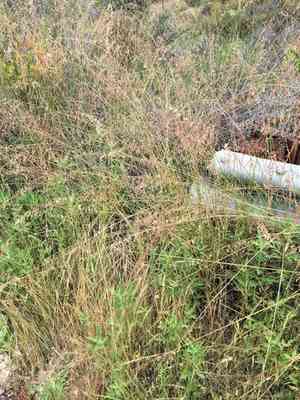
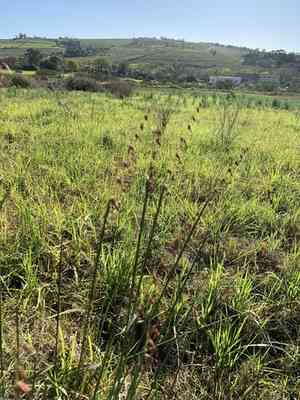
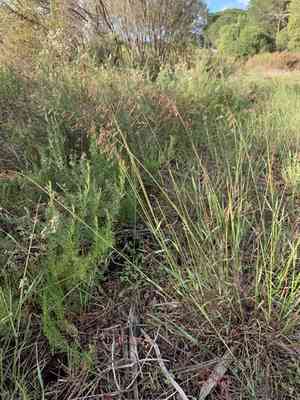
Quickly Identify Perennial Veldtgrass
1
Ehrharta calycina can be identified by its perennial growth habit, broad leaf blades, and loose, spreading inflorescence. The leaf sheaths are typically hairy.
Scientific Classification of Perennial Veldtgrass
Phylum
Vascular plants
Class
Monocotyledons
Order
Poales
Family
Grass
Genus
Ehrharta
Species
Perennial Veldtgrass
Planting and Growing of Perennial Veldtgrass
Care Difficulty
Easy
Watering Schedule
Every 2 days
Sunlight Requirements
Full sun
Sunshine Duration
4-6 hours
Ideal Temperature
60-75℉
Soil Type
Potting Mix, Peat Mix
Soil pH
6.5-7.5
Fertilizer Type
Balanced
Pruning Season
Spring, Summer
Pruning Area
Branches, Leaves
Pruning Frequency
2 times a year
Repotting Season
Spring
Pot Type
Plastic, Ceramic
 How to Water Perennial Veldtgrass?
Ehrharta calycina, also known as perennial veldt grass, requires a consistent wetting to a depth of about 20 cm when watering. This ensures that the water reaches the deep root zone, promoting healthy growth. Generally, 500 milliliters per session should suffice, especially when evenly spread around the base.
What are the symptoms of an underwatered Perennial Veldtgrass?
›
What should I do if my Perennial Veldtgrass is not getting enough water?
›
What are the symptoms of an overwatered Perennial Veldtgrass?
›
How to save an overwatered Perennial Veldtgrass?
›
 What Are the Sunlight Requirements for Perennial Veldtgrass?
Partial to full sun is ideal, promoting vigorous growth and robust health. Adequate sunlight ensures the plant has sufficient energy for photosynthesis, leading to vibrant foliage and its resilient nature.
How much direct sunlight is ideal?
›
What's the impact of partial shade?
›
What measures ensure optimal lighting?
›
 What Is the Ideal Temperature Range for Perennial Veldtgrass?
Ehrharta calycina, commonly known as Veldt Grass, thrives in temperatures ranging from 60°F to 75°F. This range offers the ideal conditions for its metabolic processes, ensuring healthy growth and optimal photosynthesis. Maintaining this temperature will promote vigorous leaf and root development, ultimately enhancing the plant's overall resilience and productivity.
 What Soil is Best for Perennial Veldtgrass?
Ehrharta calycina prefers well-drained soil, which helps to prevent root rot and other water-related diseases. This requirement ensures that water does not stagnate, facilitating better root aeration and nutrient uptake. The plant thrives best in moderately fertile soils that provide essential nutrients without causing over-fertilization. Balanced soil fertility supports healthy growth and enhances the plant's resilience against pests and diseases. Ehrharta calycina requires soil with low salinity to prevent growth hindrances and salt stress, which can lead to leaf burn and plant dehydration. A low-saline environment helps maintain a healthy ionic balance within plant tissues.
 How to Fertilize Perennial Veldtgrass?
For Ehrharta calycina, a balanced approach to fertilization is key. It is advisable to apply a liquid fertilizer at a rate of 1/2 strength once every two weeks, providing essential nutrients without overwhelming the plant. Use roughly 20ml per square meter for optimal results.
 How to Prune Perennial Veldtgrass?
Begin by identifying any damaged or dead stems, removing them at their base. This encourages healthier growth and prevents disease. For general maintenance, trim back any excessively long or unruly stems to keep the plant well-shaped. To encourage denser growth, cut back the top third of the plant during its active growing months. This will stimulate lateral growth and result in a lusher appearance. Use clean, sharp scissors or pruning shears for the best results.
More About Pruning Techniques→
 How to Propagate Perennial Veldtgrass plant?
1
Begin by acquiring high-quality Ehrharta calycina seeds, ideally from a reputable source. Soak the seeds in water for 24 hours to enhance germination rates. This process helps to soften the seed coat and enables moisture absorption for better sprout.
2
Fill seed trays with a well-draining seed-starting mix. Spread the seeds evenly across the surface and slightly press them into the soil without covering them too deeply, as they require light for germination. Water the trays gently to keep the soil moist.
3
In early spring, use a garden fork to lift mature Ehrharta calycina clumps from the ground. Carefully separate the clumps into smaller sections, ensuring each section has a portion of the root system intact. Transplant these divisions into prepared beds.
 How to Repot Perennial Veldtgrass plant?
1
Repot Ehrharta calycina when you notice the roots becoming crowded or growing out of the drainage holes. Another sign is if the soil dries out too quickly, indicating the pot is becoming too small.
2
Select a pot that is slightly larger than the current one, around 2 inches wider in diameter. Ensure it has good drainage holes to prevent waterlogging, which can harm the roots. A slightly larger pot gives roots room to breathe and grow.
3
Use a well-draining sandy soil mix. This type of soil helps prevent root rot by allowing excess water to escape easily. A sandy mix also mimics the plant's natural habitat, promoting healthy growth.



