The Perennial Veldtgrass Plant Advantage: Maximizing Home and Office Appeal and Wellness
1
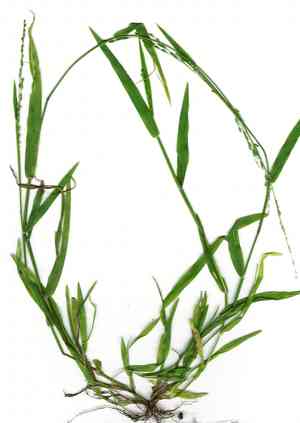
Perennial Veldtgrass serves as a superb soil stabilizer.
2
Perennial Veldtgrass aids in minimizing landscape erosion.
3
It exhibits strong drought tolerance and flourishes in diverse environments.
How Does Perennial Veldtgrass Stabilize Soil?
Root System
Perennial Veldtgrass possesses an extensive root network that penetrates deeply into the earth. Its roots effectively bind soil particles, forming a strong structure that minimizes soil movement, particularly on inclines and uneven terrain.
Improving Soil Structure
The plant not only anchors the soil but also contributes to enhancing its composition. Over time, organic matter from decaying plant parts enriches the soil, fostering improved aeration and water penetration.
Why Is Perennial Veldtgrass Perfect for Erosion Control?
Adaptability to Various Soils
Perennial Veldtgrass flourishes in a broad spectrum of soil types, ranging from sandy to clayey. Its versatility makes it an ideal choice for areas prone to erosion, as it can establish quickly and provide essential ground cover.
Resistant to Weather Extremes
The plant's resilience against harsh weather conditions allows it to maintain its erosion control properties throughout the year. Whether enduring heavy rainfall or dry periods, Perennial Veldtgrass remains steadfast in protecting the underlying soil.
What Makes Perennial Veldtgrass Drought-Resistant?
Efficient Water Usage
Perennial Veldtgrass has adapted to low-water environments by developing effective water absorption and utilization mechanisms. Its deep root system accesses water from lower soil strata, making it less reliant on surface moisture.
Survival in Arid Conditions
The plant displays remarkable survival strategies in dry conditions. Its capacity to thrive with limited water makes it a dependable option for water-scarce regions, reducing the need for irrigation and upkeep.
How to Integrate Perennial Veldtgrass into Landscaping?
Designing with Perennial Veldtgrass
Incorporating Perennial Veldtgrass into your landscaping projects can be done imaginatively. It can be utilized as ground cover, in mixed borders, or on slopes to prevent soil erosion. Its fine texture and green foliage add aesthetic appeal to garden designs.
Maintenance Tips
Maintaining Perennial Veldtgrass is straightforward due to its hardy nature. Consistent watering during establishment, followed by regular checks and trimming, can keep the plant healthy. Its low maintenance requirements make it suitable for both new and experienced gardeners.
Can Perennial Veldtgrass Coexist with Other Plants?
Companion Planting
Perennial Veldtgrass can exist harmoniously with other plants in a garden setting. It pairs well with species that have similar water and soil needs, creating a balanced ecosystem that supports biodiversity.
Preventing Overcrowding
While Perennial Veldtgrass is beneficial, it's crucial to manage its growth to prevent it from overshadowing other plants. Strategic planting and timely thinning ensure all species in the garden have sufficient space and resources to flourish.
Environmental Impact of Perennial Veldtgrass
Reducing Carbon Footprint
By establishing Perennial Veldtgrass in landscapes, gardeners contribute to lowering the carbon footprint. The plant absorbs carbon dioxide, a greenhouse gas, thereby playing a role in mitigating climate change.
Promoting Biodiversity
The presence of Perennial Veldtgrass fosters biodiversity by providing habitat and food sources for various organisms. This plant supports a healthy ecosystem, encouraging wildlife and beneficial insects to thrive.



