How to Transplant Wild cucumber?
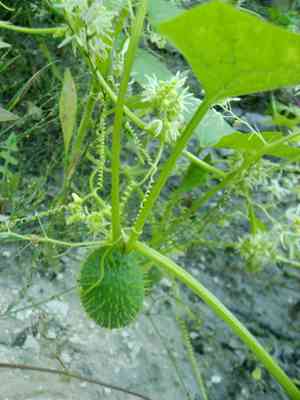
The most suitable period for transplanting wild cucumber is from mid to late spring, a time of lush growth, which facilitates a smooth adjustment to its new environment. Choose a location that receives ample sunlight and possesses soil with good drainage to foster robust development.
What Preparations are Needed Before Transplanting Wild Cucumber?
What is the Ideal Time for Transplanting Wild Cucumber?
The optimal period for relocating wild cucumber falls within late spring to early summer, owing to stable temperatures and favorable growth conditions. Moving wild cucumber during this timeframe promotes robust root development and plant vitality. Selecting this season provides wild cucumber with a strong start, benefiting from extended daylight and warmer soil that encourage healthy growth. Remember, mild weather facilitates an easier transition and sets wild cucumber on a path to flourishing in its new location.
How Much Space Should You Leave Between Wild Cucumber Plants?
Welcome to your gardening journey! For wild cucumber, remember to allow ample room for development. When transplanting, maintain a separation of approximately 2-3 feet (60-91 cm) between each plant. They will appreciate the space!
What is the Best Soil Mix for Wild Cucumber Transplanting?
The appropriate soil type is crucial for your wild cucumber's development. Opt for well-drained, loamy soil. Incorporate some organic compost to give it an initial boost. You can prepare a foundational fertilizer with balanced N-P-K to nourish your plants.
Where Should You Relocate Your Wild Cucumber?
Let's find a bright location for your wild cucumber. These plants thrive in sunlight, so an outdoor area receiving ample sun would be ideal. If planting indoors, position them near a south-facing window for maximum light exposure.
What Equipments Should You Prepare Before Transplantation Wild Cucumber?
Gardening Gloves
They keep your hands clean and shield them from any sharp or abrasive materials in the soil.
Shovel or Transplant Spade
To excavate the new planting hole and extract the plant from its current spot. Longer, slender tools facilitate digging in compacted soil and carefully lifting the root system.
Gardening Trowel
It can be useful for detailed tasks, such as loosening the soil around the plant's base.
Watering Can/Hose
To thoroughly moisten the roots at both the original and new sites.
Garden Pruning Shears
Helpful for potted wild cucumber, to cleanly sever any circling or girdling roots.
Mulch
To retain soil moisture and suppress weeds.
Bucket or Sack
To transport the wild cucumber from its initial to its new location without damage or leaving a soil trail.
Garden Stakes and Ties
Wild cucumber is a climbing vine that will require support for vertical growth.
How Do You Remove Wild Cucumber from the Soil?
How Do You Remove Wild Cucumber from the Soil?
From Ground: Start by watering the wild cucumber plant to help loosen the soil surrounding the roots. Use a shovel or transplant spade to dig a circle around the plant, being careful to accommodate the root ball's width to avoid cutting through them. The goal is to preserve the root structure as much as possible. Then, gently lift the plant from the soil by placing the shovel or spade beneath the root ball and applying upward pressure. Place the plant in a bucket or sack for transport to its new location.From Pot: If the wild cucumber is in a pot, first water it thoroughly. Tilt the pot sideways and gently press on its sides to loosen the soil and roots. If the plant doesn't slide out easily, it may be root-bound, and cutting the pot away might be necessary. Carefully inspect the root ball for any circling or girdling roots and prune these with garden pruning shears before moving.From Seedling Tray: If removing wild cucumber from a seedling tray, first water the tray thoroughly. Then, press beneath the cell from the bottom to push the seedling and root ball out. Be careful to handle the seedling by its leaves rather than its stem, which is more delicate and can be easily damaged.
Step-by-Step Guide for Transplanting Wild Cucumber
Preparation
Prepare the new planting site by digging a hole that is twice as wide and deep as the wild cucumber's root ball. This will encourage roots to penetrate the new soil and establish firmly.
Planting
Gently place the wild cucumber at the bottom of the hole, ensuring it sits at the same level as in its original spot. Backfill the hole, gently firming the soil with your hands to eliminate any air pockets.
Watering
Water the wild cucumber deeply after planting, ensuring the entire root ball and surrounding soil are moist. This helps settle the soil and establish contact between the roots and their new environment.
Staking
As a climbing vine, wild cucumber plants will need support for vertical growth. Insert a garden stake into the ground near the plant's base and gently tie the plant's stem to it using garden ties.
Mulching
Cover the area around the wild cucumber's base with a layer of mulch, which will help retain soil moisture and prevent weed growth.
How Do You Care For Wild Cucumber After Transplanting?
Aftercare
Keep the soil consistently moist, but not waterlogged, for several weeks after planting, until the wild cucumber plant has established itself in its new location. Drought stress can harm transplants, so never allow the soil to completely dry out.
Pruning
To promote bushier growth, you can trim the tips of the wild cucumber plant as it develops. This also helps redirect energy into flower and fruit production. Avoid extensive pruning in the first year after transplanting, to allow the plant's energy to focus on establishing strong roots.
Support
Be sure to check the ties securing the wild cucumber plant to its stake weekly and adjust as needed to ensure the plant has room to grow and is not being constricted by the tie.
Troubleshooting Common Issues with Wild Cucumber Transplantation.
When is the best time to transplant wild cucumber?
The optimal period to transplant wild cucumber is during its second to third growth season.
What is the ideal spacing when transplanting wild cucumber?
Provide each wild cucumber with 2-3 feet (60-90 cm) of distance from its neighbors to ensure optimal growth.
Why is my transplanted wild cucumber wilting?
Wilting can be a result of transplant shock. Ensure adequate watering and shield from direct, intense sunlight in the initial days post-transplantation.
How much sunlight does wild cucumber require after transplantation?
Wild cucumber thrives best in full sunlight. However, it's crucial to provide some partial shade in the early days after transplanting to prevent scorching.
How often should I water wild cucumber after transplantation?
Water wild cucumber daily in the first week post-transplantation, then reduce to 1-2 times per week based on soil dryness.
Why are the leaves of my transplanted wild cucumber turning yellow?
Yellowing leaves can indicate overwatering or a nutrient deficiency in the soil. Adjust your watering schedule accordingly and consider adding plant-specific fertilizer.
Should I use any fertilizer while transplanting wild cucumber?
Yes, incorporating a balanced slow-release fertilizer during transplantation can provide wild cucumber with a nutrient boost to establish quickly in its new spot.
How do I prepare the soil for wild cucumber transplantation?
Prepare the ground by loosening the soil to about 12 inches (30 cm) deep and mixing in compost to enrich its nutrient content.
What to do if the transplanted wild cucumber doesn't show new growth?
Ensure it's receiving sufficient sunlight, water, and nutrients. Also, remember that it can take a couple of weeks for a transplanted wild cucumber to begin new growth.
What is the process to harden off wild cucumber before transplantation?
Begin by exposing wild cucumber to outdoor conditions for a few hours daily, gradually increasing the duration over a week before transplantation.



