How to Propagate Wild cucumber?
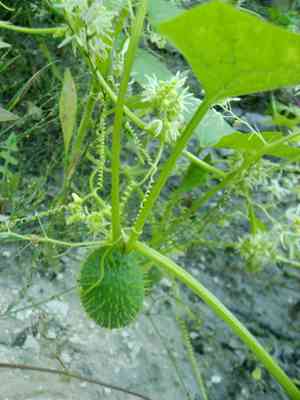
The most effective method for propagating wild cucumber involves planting seeds in the springtime. This propagation process is relatively straightforward and typically yields a high rate of success. Indicators of successful propagation are robust young plants sprouting from the earth. Ensure the growing medium remains uniformly damp throughout the germination phase.
Optimal Period for Wild Cucumber Propagation
Propagation Type
Sowing
Propagation Season
Spring
Tools Utilized in Wild Cucumber Propagation
Seed trays
Seed trays offer regulated germination conditions. They allow cultivators to initiate numerous seeds in a small area while ensuring even moisture and warmth. Trays are particularly suitable for wild cucumber seeds, which flourish in well-drained soil.
Peat pots
Peat pots are biodegradable containers that can be directly planted, minimizing root disturbance during transplanting. Wild cucumber benefits from this approach as it lessens transplant shock and fosters healthier root system development.
Potting mix
A well-draining potting mix guarantees proper aeration and moisture levels, which are favorable for seed germination. It is a crucial medium for wild cucumber propagation, offering necessary support for delicate seedlings.
Grow lights
Grow lights supply a steady light source, vital for the initial phases of plant development. They ensure wild cucumber seedlings receive adequate light intensity for robust growth, especially in areas with limited natural light.
Misting bottle
A misting bottle is employed to gently irrigate seedlings, maintaining humidity without disturbing the soil or seed placement. For wild cucumber, controlled watering is essential to prevent oversaturation of seeds, which can lead to decay.
Thermometer and hygrometer
These instruments monitor the temperature and humidity of the propagation environment. Maintaining appropriate levels is critical for successful germination of wild cucumber seeds, which have specific climate requirements.
Plastic dome or cover
Plastic domes or covers aid in retaining moisture and creating a microclimate for wild cucumber seeds during propagation. The cover should permit adjustable ventilation to regulate humidity and inhibit mold growth.
Heating mat
Heating mats deliver consistent warmth, important for wild cucumber seeds that need a stable and warm soil temperature to encourage germination. They enable temperature regulation, ensuring the growing medium does not become too cold.
Method for Propagating Wild Cucumber
Propagation Type
Sowing
Difficulty Level
Easy
Post-Propagation Care for Wild Cucumber
How to Care for Your Newly Propagated Wild Cucumber?
Once sprouted, keep wild cucumber seedlings in a bright location and water regularly to maintain moist soil. Thin seedlings if needed to avoid overcrowding. Gradually acclimate plants to outdoor conditions for a few hours daily before permanent outdoor transplanting. Wild cucumber plants prefer full sun to partial shade and require a climbing structure, as they are vigorous vines. Maintain consistent watering and check for pests. These robust growers are relatively low-maintenance once established.
Common Errors to Avoid When Propagating Wild Cucumber
Overwatering
Excessive water can cause root rot in wild cucumber, which thrives in well-drained soil. Overwatering can deprive the plant's roots of oxygen, leading to fungal diseases and stunted growth.
Planting depth
Burying wild cucumber seeds too deeply can hinder germination due to insufficient light and air, both crucial for initiating the growth process.
Ignoring spacing
Inadequate spacing between wild cucumber plants can result in competition for resources, potentially stunting growth and reducing propagation success.
Neglecting to remove invasive parts
Wild cucumber exhibits vigorous growth and can become invasive if not managed. Failing to remove fast-growing tendrils and overmatured fruit can lead to undesirable spreading.
Improper soil preparation
Failing to prepare a soil mix that mimics wild cucumber's natural growing conditions can lead to poor plant establishment and growth.
Tips For Propagating Wild Cucumber
Seed scarification
Gently scratching or nicking the hard outer layer of wild cucumber seeds can enhance water absorption and promote quicker germination.
Soil mixture
Creating a well-draining soil mix helps prevent root rot and encourages healthy root development for wild cucumber.
Strategic planting
Planting wild cucumber in a location that accommodates its natural climbing habit, such as near a fence or trellis, supports the plant's growth and reduces the need for frequent pruning.
Moderate watering
Providing wild cucumber with consistent but moderate watering ensures the plant receives enough moisture without becoming waterlogged, leading to better growth and health.
Monitor and manage growth
Regularly checking wild cucumber for excessive growth and managing its spread can prevent the plant from becoming invasive and ensure resources are directed to the desired propagation areas.



