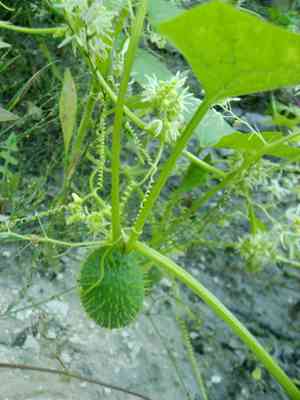
Wild cucumber(Echinocystis lobata)

Wild cucumber (Echinocystis lobata)

Also known as: Prickly cucumber

Wild cucumber (Echinocystis lobata) is an annual vine that spreads extensively across North America, often forming dense ground cover. This plant serves as a food source for various insects and can be affected by bacterial diseases. Some Native American tribes historically crafted beads from its seeds.

Attributes of Wild cucumber

Lifespan
Annual
Plant Type
Vine, Herb
Plant Height
8 m
Spread
20 m
Leaf Color
Green Blue
Flower Size
8 cm to 14 cm
Flower Color
White Green

ForwardPlant - Identify plants with a snap

Identify and diagnose plants, get toxicity alerts, and explore safety guides for all types of fungi.

Try for Free

Images of Wild cucumber

Wild cucumber(Echinocystis lobata)

Quickly Identify Wild cucumber

1
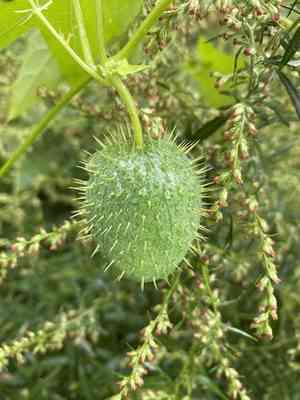
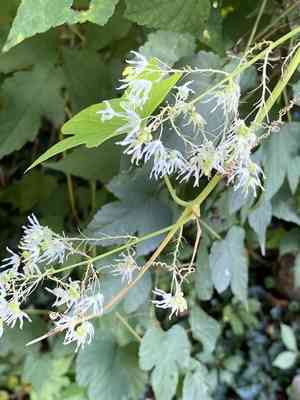
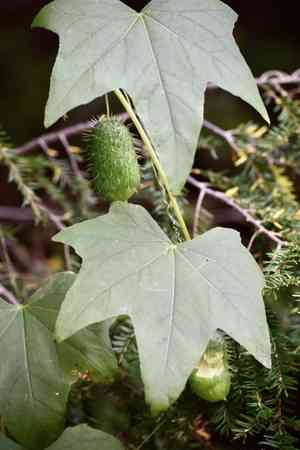
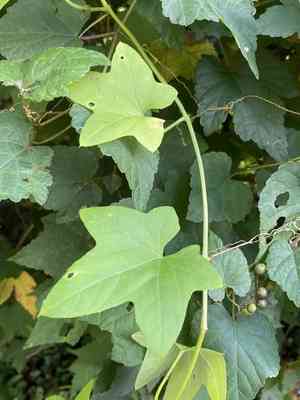
This plant can be identified by its sprawling, climbing vines that can reach up to 15 feet long, its palmately lobed leaves, and spiky, greenish fruit. The flowers are white to yellowish and borne in clusters.

Scientific Classification of Wild cucumber

Phylum
Vascular plants
Class
Dicotyledons
Order
Cucurbitales
Family
Gourd
Genus
Wild Cucumber
Species
Wild cucumber

Planting and Growing of Wild cucumber

Care Difficulty
Easy
Watering Schedule
Every 2 days
Sunlight Requirements
Partial sun
Sunshine Duration
6-10 hours
Ideal Temperature
65-75℉
Soil Type
Potting Mix, Peat Mix
Soil pH
6.5-7.5
Fertilizer Type
Balanced
Pruning Season
Spring, Summer
Pruning Area
Branches, Leaves
Pruning Frequency
2 times a year
Repotting Season
Spring
Pot Type
Plastic, Terracotta

water icon How to Water Wild cucumber?

For Echinocystis lobata, ensure the soil is moist but not waterlogged. Water the plant until the soil is consistently moist, usually involving around 500 milliliters of water per watering session. It's crucial to allow excess water to drain to prevent root rot.
What are the symptoms of an underwatered Wild cucumber?
What should I do if my Wild cucumber is not getting enough water?
What are the symptoms of an overwatered Wild cucumber?
How to save an overwatered Wild cucumber?

sunlight icon What Are the Sunlight Requirements for Wild cucumber?

Sunlight Requirements: Partial sun
Duration of light: Four to six hours
Echinocystis lobata thrives in partial sun, ideally when it receives dappled sunlight or morning sun followed by shaded afternoons. This balance helps in avoiding the risks of photodamage while ensuring efficient photosynthesis for healthy growth.
What is the best location for this plant indoors?
How can I provide ideal lighting outdoors?
What type of artificial light should I use?

temperature icon What Is the Ideal Temperature Range for Wild cucumber?

Ideal Temperature: 65 ~ 75℉
Echinocystis lobata, also known as the wild cucumber, thrives best in temperatures ranging from 65°F to 75°F. This temperature range supports optimal photosynthesis, healthy growth, and flowering. Maintaining temperatures within this range aids in nutrient absorption and overall plant vigor.

soil icon What Soil is Best for Wild cucumber?

Soil type: Loam, Sandy loam
Soil PH: 6.5 ~ 7.5
Echinocystis lobata thrives best in well-drained soil, allowing water to flow through freely and preventing root rot. Ensuring your soil has good drainage promotes healthy root development and supports lush vine growth. This plant prefers soil with moderate fertility, which provides the essential nutrients for growth without overwhelming the roots. Fertile soil supports the plant's vibrant growth and its ability to produce beautiful flowers. While Echinocystis lobata enjoys well-drained soil, it also appreciates soil that retains enough moisture to keep it hydrated. This balance helps maintain consistent growth and prevents wilting in dry conditions.

fertilize icon How to Fertilize Wild cucumber?

Fertilizer type: Balanced
For Echinocystis lobata, it's crucial to avoid over-fertilization. A balanced liquid fertilizer diluted to half strength is optimal. Use about 100 ml of this solution per plant to prevent nutrient burn.

prune icon How to Prune Wild cucumber?

Pruning Time: Summer, Autumn
Begin by identifying the parts of Echinocystis lobata that require pruning, such as dead, diseased, or overgrown stems. Remove any stems that appear to be crowding the plant or restricting its growth. Make cuts at a 45-degree angle, focusing just above a leaf node or bud. This encourages new growth and ensures that water runs off the cut surface, reducing the risk of rot and infection. While pruning, aim to create a balanced shape, allowing for light and air to penetrate the center of the plant. This can enhance photosynthesis and reduce the risk of fungal issues.

propagate icon How to Propagate Wild cucumber plant?

Propagate Time: Spring, Early summer
1
Fill seed trays with a well-draining soil mix, ensuring that it is leveled and slightly moistened. This provides an ideal environment for seedlings to start their growth cycle.
2
Place Echinocystis lobata seeds on the surface of the prepared soil. Lightly press them into the soil without burying them completely, as they require light to germinate.
3
Mist the surface of the soil lightly to maintain moisture, and regularly monitor the trays to ensure the seeds remain moist but not waterlogged. Adequate moisture is crucial for germination.
More About Propagating Techniques

repot icon How to Repot Wild cucumber plant?

Repotting frequency: Every couple of years
1
Echinocystis lobata, also known as the wild cucumber, signals its need for repotting when its roots become visible through drainage holes or the plant appears stunted. This typically occurs after a vigorous growth phase, needing more space for healthy root development. Early spring or summer is ideal, allowing the plant ample time to adjust during the growing season.
2
Select a pot that is one size larger with good drainage to prevent waterlogging. A terracotta pot is ideal as it allows the soil to breathe, reducing the risk of root rot. The added size provides room for root expansion, promoting a robust and healthy plant.
3
A well-draining potting mix is crucial for Echinocystis lobata to thrive. A blend containing sand or perlite ensures optimal drainage, preventing water accumulation around the roots. This type of soil supports a balance of moisture while providing needed nutrients for continuous growth.

ForwardPlant - Identify plants with a snap

Find the best spots for them to optimize their health, simply using your phone.

Try for Free

Toxicity of Wild cucumber

Is Wild cucumber toxic to humans?

Wild cucumber is a hazardous plant that poses a risk if consumed. Its toxicity is not universally dangerous; it primarily affects individuals who have a heightened sensitivity to its toxic characteristics. The symptoms experienced are typically mild and result from the consumption of the fruits produced by this peculiar plant. Those who are susceptible may suffer from diarrhea, abdominal pain, and a burning sensation. Due to its moniker, Wild cucumber, and the resemblance of its fruit to other edible plants, foragers may inadvertently eat the plant, mistakenly identifying it as safe for consumption, unaware that its fruits may indeed be toxic.

Is Wild cucumber toxic to cat?

Wild cucumber presents a moderate toxicity hazard to cats when ingested in substantial quantities. The main danger stems from the fruit of the plant. While the exact toxic substance has not been pinpointed, consuming the fruit may result in physical discomfort symptoms in cats. It is crucial for cat guardians to vigilantly observe their pets and restrict their access to the fruits of the wild cucumber. If a cat consumes a considerable amount and exhibits any illness symptoms, seeking prompt veterinary care is vital for safeguarding the health and welfare of the animal.

Is Wild cucumber toxic to dog?

The wild cucumber presents a minor toxicity risk to dogs. Although the plant is not extremely toxic, consuming substantial amounts, especially the fruits, can result in poisoning in canines. Dogs may find these parts appealing and eat them out of curiosity or due to their availability in gardens or natural areas where wild cucumber thrives. If a dog consumes a considerable quantity of the fruit, it might show symptoms such as gastrointestinal distress, vomiting, diarrhea, or lethargy. It is vital for dog owners to keep a close watch on their pets and restrict access to wild cucumber, particularly the fruit-bearing segments. Should a dog ingest wild cucumber and exhibit signs of poisoning, seeking immediate veterinary assistance is imperative to guarantee timely and appropriate treatment.

Identify toxic plants for your safety

Learn which plants are harmful to you and your pets, and make informed choices for a safer home!

Try for Free
WARNING
The judgment on toxicity and danger is for reference only. We DO NOT GUARANTEE any accuracy of such judgment. Therefore, you SHALL NOT rely on such judgment. It is IMPORTANT TO SEEK PROFESSIONAL ADVICE in advance when necessary.
More About Toxic Techniques