How to Transplant Giant chalk dudleya?
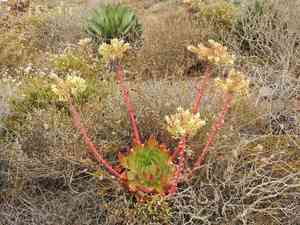
Relocate Dudleya brittonii during the cooler period of late winter through mid-spring to ensure vigorous development. Select a bright location that offers superior drainage. When moving, carefully manage its fragile foliage to preserve its striking aesthetic.
Essential Preparations Before Relocating Giant Chalk Dudleya
Optimal Timing for Transplanting Giant Chalk Dudleya?
The best time to move giant chalk dudleya is during the cooler period from late winter to mid-spring. This allows the plant to establish its root system before summer's heat, providing a strong base for growth. Transplanting giant chalk dudleya within this timeframe ensures a smooth transition, as mild temperatures and adequate soil moisture promote robust root development. Choosing this season for your giant chalk dudleya leads to successful blooming and vigorous health, maximizing the upcoming growing period.
Required Spacing Between Giant Chalk Dudleya Plants?
When relocating giant chalk dudleya, maintain at least 2-3 feet (60-90 cm) of distance between each specimen. This ensures ample room for their development and thriving. Proper spacing prevents overcrowding and fosters healthy growth!
Best Soil Mixture for Giant Chalk Dudleya Relocation?
For giant chalk dudleya, prepare a soil mix that drains effectively. Combine equal parts of potting soil, coarse sand, and perlite. Incorporate a slow-release balanced base fertilizer into the soil. Remember, good soil promotes strong root growth and overall plant vitality.
Ideal New Location for Your Giant Chalk Dudleya?
Select a site for giant chalk dudleya that receives full sun to partial shade. This plant thrives in sunlight, so a spot with at least 6 hours of daily sun exposure would be most suitable. Adequate sunlight supports its vibrant development!
Tools to Prepare Before Transplanting Giant Chalk Dudleya?
Gardening Gloves
Protect your hands while working with soil and the plant.
Shovel or Spade
Useful for excavating the plant from its original spot and preparing the new planting hole.
Watering Can
For moistening the soil both prior to and following the transplant.
Organic Matter
This can enhance soil structure and provide nutrients to the plant.
String Line
Helps ensure your giant chalk dudleya is planted in a straight line.
Wheelbarrow
This tool is convenient for moving the plant and soil.
Gardening Fork
Can be used to loosen the soil around the plant before removal, and in the new planting area.
How to Extract Giant Chalk Dudleya from the Soil?
How to Extract Giant Chalk Dudleya from the Soil?
From Ground: Begin by watering the giant chalk dudleya to moisten the surrounding earth. This facilitates easier plant removal. Use a shovel or spade to dig a wide trench around the plant, being careful not to cut into the root ball. Then, work the spade beneath the root ball to lift the plant from its position.From Pot: If the giant chalk dudleya is in a container, turn it sideways and tap the bottom and sides to loosen the root ball. With a gentle pulling motion, carefully remove the plant from the pot. Avoid yanking the plant, as this can harm its roots.From Seedling Tray: Use a dibber or similar tool to loosen the soil around the seedling, then gently lift it out by holding the leaves, not the stem. Ensure you extract as much root as possible along with the foliage.
Step-by-Step Guide for Relocating Giant Chalk Dudleya
Preparation
Once your giant chalk dudleya is out of the ground or pot, prepare the new site. Dig a hole that is twice as wide and equally deep as the plant's root ball. Incorporate organic matter if needed to improve soil structure.
Placement
Position the giant chalk dudleya in the new hole. The top of the root ball should be level with the surrounding soil surface. If necessary, add or remove soil beneath the root ball until it is at the correct height.
Backfill
Fill the hole around the plant with soil, gently tamping it down to eliminate any air pockets. Avoid covering the top of the root ball with soil.
Watering
After transplanting, thoroughly water the giant chalk dudleya. This helps settle the soil around the roots and aids the plant in its new environment.
Post-Transplant Care for Giant Chalk Dudleya?
Monitoring
Observe your giant chalk dudleya closely for several weeks after relocation. Regularly check for signs of water stress, such as wilting or yellowing foliage.
Mulching
Apply a layer of organic mulch around the plant's base (but not touching the stem) to retain moisture and regulate soil temperature.
Pruning
If your giant chalk dudleya experiences transplant shock and has wilting or dead leaves/branches, trim these parts to allow the plant to focus its energy on new growth.
Addressing Common Issues During Giant Chalk Dudleya Transplantation.
When is the best time to move giant chalk dudleya?
The optimal period to transplant giant chalk dudleya is during the S10-S2 timeframe, roughly corresponding to late fall through mid-winter. This is when the plant is dormant, leading to the highest success rate for relocation.
What spacing should giant chalk dudleya have when transplanted?
Aim for a spacing of approximately 2-3 feet (60-90 cm) between individual giant chalk dudleya plants. This ensures each plant has sufficient room to flourish without competition.
What is the ideal soil type for transplanting giant chalk dudleya?
Giant chalk dudleya thrives in well-draining soil, especially sandy or rocky varieties. These soil types prevent waterlogging and offer optimal growing conditions.
What sun exposure does giant chalk dudleya require after transplanting?
Giant chalk dudleya flourishes in full sun exposure. This means the plant should receive direct sunlight for at least 6 hours daily after being transplanted.
What is the correct planting depth for giant chalk dudleya?
When transplanting giant chalk dudleya, ensure the hole is deep enough to accommodate its root system. Typically, it should be twice as wide and as deep as the root ball.
How much water does giant chalk dudleya need after transplantation?
Although giant chalk dudleya is drought-tolerant, it requires consistent watering immediately after transplantation. Once established, it needs minimal irrigation.
Does giant chalk dudleya need any special care after transplantation?
Yes. Protect giant chalk dudleya from harsh weather conditions post-transplantation. Additionally, mulching around the transplanted area can help retain moisture and insulate against temperature extremes.
What should I do if the transplanted giant chalk dudleya's leaves turn yellow?
Yellowing leaves may indicate overwatering or insufficient sunlight. Adjust watering practices and ensure giant chalk dudleya receives ample sunlight. If the issue persists, consult a plant specialist.
How can I manage insects or pests after transplanting giant chalk dudleya?
Regularly inspect giant chalk dudleya for pests. Consider using organic insecticides or introducing beneficial insects like ladybugs to the area. If an infestation occurs, prompt action is necessary to prevent damage.
Is pruning necessary for giant chalk dudleya after transplantation?
Pruning is generally not required for giant chalk dudleya. However, if the plant becomes overgrown or you wish to encourage a specific shape, light pruning can be performed.



