Ideal Temperature for Giant chalk dudleya
Images of Giant chalk dudleya
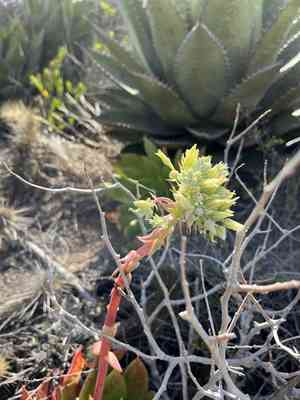
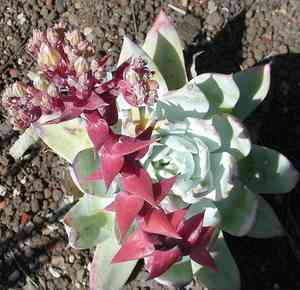
Signs of Cold Stress in Giant chalk dudleya
Symptoms
Giant chalk dudleya flourishes in warm conditions and cannot withstand cold. Optimal growth occurs when temperatures exceed 60℉. In winter, temperatures should remain above 50℉. If the temperature drops below 40℉, the plant may weaken, droop, and become susceptible to root decay. Minor frost damage might not show immediate signs, but the plant will progressively decline after about a week.
Solutions
Remove any frost-damaged sections, checking for root rot. If roots are rotted, trim them and consider propagating new plants from cuttings. Relocate the plant indoors to a warm spot immediately, positioning it near a south-facing window for abundant light. If natural light is inadequate, provide artificial illumination.
Signs of Heat Stress in Giant chalk dudleya
Symptoms
In summer, Giant chalk dudleya should be maintained below 75℉. When temperatures surpass 85℉, the plant will stop growing, lose moisture, wilt, and be more prone to sun damage.
Solutions
Excise any sunburnt or decayed portions. Protect the plant from intense afternoon sun until it recovers and resumes growth. For plants with root rot, cease watering until new roots develop.



