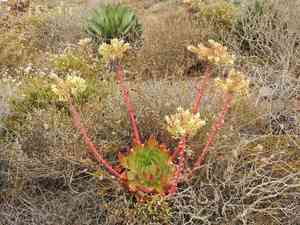
Giant chalk dudleya (Dudleya brittonii)
Also known as: Giant Chalk Dudleya, Britton's Dudleya, Chalk Liveforever
When Dudleya brittonii doesn't get enough light, the thick white powder on its leaves diminishes, and the leaves may spread out more, losing some of their decorative appeal. The plant has a robust root system, which helps it grow tall and makes it ideal for direct ground planting. Dudleya brittonii thrives best in well-lit, warm, and well-ventilated conditions.
In This Article
Attributes of Giant chalk dudleya
Lifespan
Perennial
Plant Type
Succulent
Plant Height
60 cm
Spread
40 cm
Leaf Color
Green White Bronze
Flower Size
2.5 cm
Flower Color
Yellow Green
Images of Giant chalk dudleya
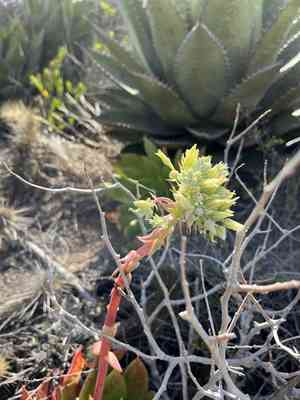
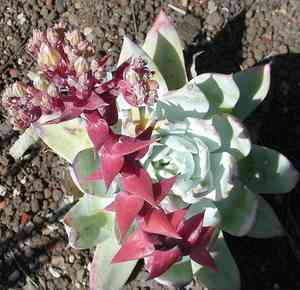
Quickly Identify Giant chalk dudleya
1
Chalky-white rosette leaves, 12-18 inches (30-45 cm) in diameter.
2
Silvery-white flower spikes, 1-2 feet (30-60 cm) tall with reddish hue when blooming.
3
Basal stem with low cluster formation.
4
Wax-like leaf surface for high ultraviolet reflectivity.
5
Stout flower spikes that arch upwards.
Scientific Classification of Giant chalk dudleya
Phylum
Vascular plants
Class
Dicotyledons
Order
Saxifragales
Family
Stonecrop
Genus
Liveforevers
Species
Giant chalk dudleya
Planting and Growing of Giant chalk dudleya
Care Difficulty
Moderate
Watering Schedule
Every day
Sunlight Requirements
Full sun
Sunshine Duration
6-10 hours
Ideal Temperature
60-75℉
Soil Type
Potting Mix, Peat Mix
Soil pH
6.5-7.5
Fertilizer Type
Balanced
Pruning Season
Spring, Summer
Pruning Area
Branches, Leaves
Pruning Frequency
2 times a year
Repotting Season
Spring
Pot Type
Ceramic, Plastic
 How to Water Giant chalk dudleya?
For Dudleya brittonii, ensure the soil is completely dry before watering again. Provide approximately 100 milliliters of water at a time, soaking the soil thoroughly but allowing it to dry out promptly to mimic its natural arid habitat.
What are the symptoms of an underwatered Giant chalk dudleya?
›
What should I do if my Giant chalk dudleya is not getting enough water?
›
What are the symptoms of an overwatered Giant chalk dudleya?
›
How to save an overwatered Giant chalk dudleya?
›
 What Are the Sunlight Requirements for Giant chalk dudleya?
Dudleya brittonii flourishes in full, partial sunlight over 6 to 8 hours daily. This optimal range allows for effective photosynthesis, promoting healthy leaf color and formation, which is crucial for its ornamental appeal and overall health.
More About Sunlight Requirements Techniques→
Optimal Sun Exposure
›
Solutions for Proper Sunlight
›
Benefits of Optimal Lighting
›
 What Is the Ideal Temperature Range for Giant chalk dudleya?
The ideal temperature range for Dudleya brittonii lies between 60°F and 75°F. This range provides optimal conditions for growth, ensuring that the plant receives enough warmth without being exposed to potential heat stress. Temperatures within this range support photosynthesis and other metabolic functions crucial for healthy development and foliage production.
 What Soil is Best for Giant chalk dudleya?
Dudleya brittonii thrives in well-draining soil that mimics its natural habitat, preventing root rot and ensuring healthy growth. This need guarantees the plant's roots are not waterlogged, which is essential for its survival. This succulent prefers nutrient-poor soil, as too much organic matter can hinder its growth. Adhering to this requirement helps maintain the plant's natural hardiness and resilience. A grainy soil texture ensures adequate aeration and promotes root health, crucial for Dudleya brittonii's overall vigor. This soil texture also aids in avoiding water retention.
 How to Fertilize Giant chalk dudleya?
Applying fertilizer for Dudleya brittonii should be done with caution. Use a diluted liquid fertilizer at half-strength, as succulents are sensitive to over-fertilization. This helps in avoiding root burn and provides essential nutrients efficiently.
 How to Prune Giant chalk dudleya?
Dudleya brittonii requires minimal pruning, so avoid cutting away more than the dead or damaged parts. Over-trimming can stress the plant and lead to unsightly growth patterns. It's more beneficial to prune lightly and frequently rather than removing large sections of the plant at once. Remember, these succulents thrive best when they maintain their natural rosette shape. Before you start pruning, ensure that your tools are clean and sterilized. This prevents the possible spread of diseases between plants. You can sterilize your shears by wiping them with rubbing alcohol or dipping them in a bleach solution. Keeping your tools clean is crucial for maintaining a healthy garden and avoiding infections in your Dudleya brittonii.
 How to Propagate Giant chalk dudleya plant?
1
Fill a seed tray with a well-draining mix appropriate for succulents. Moisten the mixture lightly to prepare it for seed sowing or receiving cuttings. This provides a conducive environment for early root development.
2
Scatter Dudleya brittonii seeds evenly over the moist medium's surface. Do not cover them with soil; they need light to germinate. Gently press down to ensure good contact with the medium.
3
Select healthy stems for cuttings, cutting them at least 4-6 inches long. Allow them to callus for a day before planting them into the prepared medium. This reduces the risk of rot.
 How to Repot Giant chalk dudleya plant?
1
Monitor your Dudleya brittonii for signs of crowded roots pushing against the pot's sides or growing through drainage holes. These indicate the plant's rapid width is impeded, making spring or autumn repotting ideal for minimizing shock and ensuring healthy growth.
2
Select a pot with ample drainage and slightly larger than the current one. A terracotta pot is the best option for Dudleya brittonii as it allows the soil to dry out faster, thus providing an optimal environment, preventing root rot and promoting strong, healthy root development.
3
Opt for a gritty, well-draining cactus mix, composed of coarse sand, perlite, and potting soil. This blend mimics the natural arid environment of Dudleya brittonii, ensuring efficient water drainage and preventing the roots from sitting in moisture, which could lead to rot.



