How Much Sunlight Do Giant chalk dudleya Need?
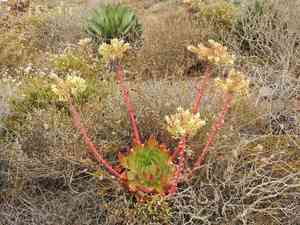
1
Giant chalk dudleya flourishes with more than six hours of direct sun each day.
2
Its light, powdery foliage may suffer from sun damage if not gradually introduced to strong light.
3
Indoors, a translucent curtain can soften intense direct light, mimicking its natural habitat.
What is the Sunlight Requirement for Giant chalk dudleya?
Optimal Light Exposure
For Giant chalk dudleya to thrive, it needs over 6 hours of direct sun daily. This succulent naturally prefers bright environments, so ensuring ample sunlight is vital for its healthy development. Position your Giant chalk dudleya in a south or west-facing location to maximize its sun exposure.
Seasonal Light Changes
Sunlight strength and duration vary by season. In summer, it's crucial to gradually introduce Giant chalk dudleya to increasing light intensity to prevent scorching. During winter, even with weaker sun, ensure the plant still gets plenty of light. Consider moving it to a brighter indoor spot or using artificial illumination.
Where Are the Best Spots for Giant chalk dudleya?
Indoor Placement
Indoors, place your Giant chalk dudleya near a bright window, ideally one facing south or west. These areas typically receive the most consistent light throughout the day. If direct sun is too strong, especially at peak times, use a sheer curtain to diffuse the light, preventing potential leaf damage.
Outdoor Placement
When planting Giant chalk dudleya outdoors, a full sun location is perfect. Ensure the area gets unobstructed sunlight for most of the day. Garden beds, patios, and balconies with abundant sunshine are ideal spots. Be sure to slowly introduce the plant to outdoor conditions to avoid shock and burning.
How to Shield Giant chalk dudleya from Sunburn?
Sunburn Indicators
Sunburn on Giant chalk dudleya appears as bleached, white patches or dry, brittle leaf edges. These signs indicate the plant received too much direct sunlight too quickly. If you observe these symptoms, it's essential to adjust the plant's light exposure promptly.
Preventative Actions
To avoid sunburn, gradually accustom your Giant chalk dudleya to higher light levels over several days or weeks. Begin by placing the plant in partial sun and slowly move it to a spot with more direct sunlight. Indoors, use a light-filtering curtain; outdoors, consider temporary shading with garden fabric during peak sun hours until the plant adapts.
Can Giant chalk dudleya Flourish in Dim Light?
Low Light Adaptability
Giant chalk dudleya is not well-suited for dim light conditions. While it can endure brief periods with less light, prolonged low light exposure can result in weak, elongated growth and reduced vitality. It's important to ensure the plant receives adequate sunlight to maintain its vibrant appearance and robust health.
Supplemental Lighting Choices
If sufficient natural sunlight is unavailable, especially during shorter winter days or in less sunny regions, consider using additional lighting. Full-spectrum LED grow lights can provide the necessary light intensity for Giant chalk dudleya. Position the grow light 12-18 inches (30-45 cm) above the plant and ensure it receives about 12-14 hours of light daily.
Common Sunlight-Related Issues for Giant chalk dudleya
Overexposure Problems
Exposing Giant chalk dudleya to intense sunlight, especially without proper acclimation, can lead to sunburn, characterized by bleached or burnt leaf tips. Additionally, excessive sunlight combined with high temperatures can cause the plant to lose moisture rapidly, leading to dehydration and a stressed appearance.
Underexposure Problems
Insufficient sunlight can cause etiolation, where Giant chalk dudleya stretches and becomes leggy in search of more light. This reduced light exposure can also weaken the plant, making it more vulnerable to diseases and pests. Yellowing leaves and slow growth are common signs of underexposure.



