How to Transplant Alpine wood fern?
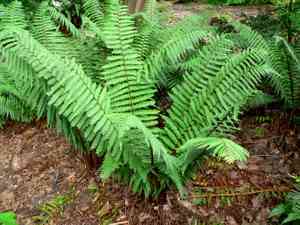
The optimal period for relocating alpine wood fern is during early spring, since the temperate conditions of this time facilitate root development. Preferred locations emulate its natural high-altitude environments; consider areas that are cool, shaded, and damp. Exercise gentle care to prevent transplant shock.
What Preparations are Needed Before Transplanting Alpine Wood Fern?
What is the Ideal Time for Transplanting Alpine Wood Fern?
Moving alpine wood fern in mid-spring provides the plant ample opportunity to establish its root system prior to summer's warmth. It's an optimal period for garden revitalization with this lush fern.
How Much Space Should You Leave Between Alpine Wood Fern Plants?
When relocating your alpine wood fern, it's wise to allow sufficient room for its development. Ideally, provide approximately 1-2 feet (30-60 cm) of clearance on all sides so it can comfortably reach its full size.
What is the Best Soil Mix for Alpine Wood Fern Transplanting?
Your alpine wood fern will flourish best in rich, well-draining soil. Incorporate organic material, such as compost, as a foundational fertilizer. This will nourish your plant while enhancing soil structure for improved root growth.
Where Should You Relocate Your Alpine Wood Fern?
For optimal development, position your alpine wood fern in a partially shaded spot. It can endure some morning sun but requires protection from intense afternoon sunlight. This mimics its natural habitat and supports its growth process.
What Equipments Should You Prepare Before Transplantation Alpine Wood Fern?
Gardening Gloves
To safeguard your hands while working with soil and handling the alpine wood fern.
Shovel or Trowel
For excavating the alpine wood fern and preparing the new planting site.
Watering Can/Hose
To hydrate the area before and after relocating the alpine wood fern.
Garden Pruning Shears
Useful for trimming dead or damaged fronds before transplanting alpine wood fern.
Wheelbarrow or Bucket
For moving the alpine wood fern from its original spot to the new location.
Mulch
To aid in retaining soil moisture after transplantation.
How Do You Remove Alpine Wood Fern from the Soil?
How Do You Remove Alpine Wood Fern from the Soil?
From Ground: After watering the alpine wood fern plant to moisten the soil, dig a wide trench around it using a shovel or spade, keeping its root ball intact. Carefully work the spade beneath the root ball, lifting the plant from its initial position.From Pot: Water your potted alpine wood fern, then turn the pot sideways, holding the plant steady as you tap the rim to loosen the root ball, gently pulling it out. If the plant is stuck, use your tools to lightly tap the pot's sides.From Seedling Tray: Water the alpine wood fern seedlings and use a tool like a chopstick or a small spade to loosen the soil around the seedling. Lift the seedling with as much soil around the root as possible to ensure minimal root disturbance.
Step-by-Step Guide for Transplanting Alpine Wood Fern
Preparation
Before transplanting, water the alpine wood fern generously. This will facilitate its removal, causing less stress to the plant.
Dig Hole
The next step involves digging the transplant hole. It should be twice as wide as the alpine wood fern's root ball, but no deeper than its height.
Place Plant
Position the alpine wood fern in the hole, ensuring it is level with the ground, leaving room for adding soil on top. Gently firm the soil around the plant's base.
Water
After planting, thoroughly water the alpine wood fern. This will settle the soil around the roots and eliminate any air pockets.
Mulching
Apply a layer of mulch around the base of the alpine wood fern to conserve moisture and deter weeds.
How Do You Care For Alpine Wood Fern After Transplanting?
Monitoring
For the initial few days, closely observe your transplanted alpine wood fern. Watch for signs of transplant shock, such as wilting, yellowing, or leaf drop. Should you notice any of these symptoms, relocate the plant or adjust its watering.
Watering
For the first few weeks after transplant, keep the soil around the alpine wood fern moist, but avoid overwatering as it could impede root development.
Pruning
If you observe any fronds that appear to struggle after the transplant, trim them back to allow all energy to be directed towards new growth.
Protection
Shield your alpine wood fern from extreme weather conditions like intense sun or strong winds, at least until it is well established in its new location.
Troubleshooting Common Issues with Alpine Wood Fern Transplantation.
When is the ideal time to transplant alpine wood fern?
The best season to transplant alpine wood fern is during S2, when the weather is moderate. This allows the plant to establish its roots before the extreme weather conditions arrive.
What's the right spacing for transplanting alpine wood fern?
Ensure you leave about 1-2 feet (30.5 - 61 cm) between alpine wood fern seedlings when transplanting. This space will accommodate their growth and help them thrive.
Why are my transplanted alpine wood fern wilting?
Wilting after transplanting could be a sign of shock. Ensure that the alpine wood fern are watered immediately after transplanting and are kept consistently moist during recovery.
How deep should I dig a hole for transplanting alpine wood fern?
For alpine wood fern, dig a hole twice as wide and as deep as the root ball. This gives the roots plenty of room to spread and grow, ensuring a successful transplant.
What kind of soil is best for transplanting alpine wood fern?
Alpine wood fern prefers fertile, moist but well-drained soil, with a pH ranging from slightly acidic to neutral. The site should stay evenly moist but not waterlogged.
The leaves of my transplanted alpine wood fern are turning yellow, why?
Yellow leaves might indicate overwatering or poor drainage. Check the soil's moisture level. If it's constantly soggy, you may need to improve drainage or adjust watering.
Can alpine wood fern be transplanted in full sunlight?
Alpine wood fern can tolerate a range of light conditions, but they do best in partial shade. Transplanting in full sunlight might cause the plant to become desiccated.
Should I fertilize alpine wood fern after transplanting?
A gentle dose of fertilizer after transplanting can give alpine wood fern a boost. However, avoid over-fertilization as it can burn the roots and harm the plant.
Why are the edges of my transplanted alpine wood fern turning brown?
Brown leaf edges can be a sign of underwatering, nutrient deficiency, or harsh sunlight. Check your watering routine, sun exposure and consider fertilizing.
Should I prune alpine wood fern before or after transplanting?
Pruning alpine wood fern before transplanting helps reduce shock. Trim damaged or excessive growth but leave enough foliage to sustain the plant as it transitions.



