How to Propagate Alpine wood fern?
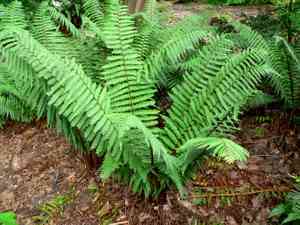
A hardy and decorative fern, alpine wood fern, thrives when propagated via spores under ideal moisture levels. When undertaking spore propagation, it is crucial to employ a delicate, highly aerated growing medium and sustain steady dampness without excessive saturation, as alpine wood fern necessitates a balanced habitat for flourishing. To achieve more effective development, employ a climate-controlled environment, which can encourage the growth of robust sporelings that will ultimately develop into the verdant fronds typical of alpine wood fern.
Optimal Period for Alpine Wood Fern Propagation
Propagation Method
Cutting
Propagation Period
Spring,Summer
Equipment for Alpine Wood Fern Propagation
Sharp Pruning Shears
These are vital for obtaining clean, precise cuttings from alpine wood fern. A keen blade ensures cuts are neat, preventing tissue damage, which is key for healthy root development. This tool is especially useful for alpine wood fern's delicate stem structure, minimizing harm during the cutting process.
Rooting Hormone Powder
This substance helps stimulate root growth at the cut ends of alpine wood fern cuttings. Applying a rooting hormone increases the chance of successful root formation. This is particularly important for alpine wood fern, as it can sometimes be slow to root. The hormone encourages faster root initiation, boosting the overall propagation success rate.
Sterile Potting Mix
A sterile potting mix offers a safe growing environment for alpine wood fern cuttings by lowering the risk of soil-borne diseases. This medium should be light and drain well to support delicate new roots without holding too much moisture, which could cause rot.
Pots with Drainage Holes
These are essential to prevent waterlogging. Good drainage ensures excess water can escape, which is crucial for alpine wood fern's root health during the early propagation stages when the root system is still forming.
Humidity Dome or Plastic Wrap
Maintaining high humidity is critical for successful alpine wood fern propagation. Covering pots with a humidity dome or plastic wrap helps retain moisture and warmth, creating a greenhouse effect beneficial for root and shoot development in cuttings.
How to Propagate Alpine Wood Fern?
Propagation Type
Easy
Caring for Your Newly Propagated Alpine Wood Fern
Caring for Your Newly Propagated Alpine Wood Fern
Post-propagation, ensure alpine wood fern is kept in a cool, moist environment with shaded to partially shaded light. Soil should remain well-drained but consistently damp. Mist the fronds regularly to maintain humidity, especially in drier conditions, and fertilize lightly during the growing season to support robust growth.
Common Errors to Avoid When Propagating Alpine Wood Fern
Insufficient humidity
During the initial stages of alpine wood fern's propagation, maintaining high humidity is vital. Failure to provide a humid environment can lead to desiccation of spores or young fronds, reducing the likelihood of successful growth.
Over-watering
While alpine wood fern needs moist conditions, excessive water can lead to root rot and fungal diseases, which can be detrimental to the health of newly propagated plants.
Poor handling of spores
Alpine wood fern reproduces via spores, and improper handling or sowing can damage them. Rough treatment can decrease their viability and impact germination rates.
Using unsterilized tools or containers
Unsterilized propagation materials can introduce pathogens, potentially causing diseases that hinder alpine wood fern's growth or even result in propagation failure.
Advice for Propagating Alpine Wood Fern
Moisture balance
Ensure a consistent moisture level for the spore sowing mix without making it waterlogged. A fine mist spray can be beneficial in providing the necessary moisture without being excessive.
Spore handling
Handle alpine wood fern's spores with care and precision. Sow them lightly on the surface of a suitable propagation medium to ensure they have the best chance of germination.
Proper medium
Use a well-draining propagation medium that retains moisture yet allows excess water to escape. This will support the development of alpine wood fern without the risk of water stagnation.
Sterilization
Sterilize all tools, pots, and materials before sowing alpine wood fern's spores to minimize the risk of contamination by pathogens, ensuring a healthier start for the young ferns.



