Enhancing Your Garden Design with the Alpine wood fern Plant: A Landscaping Guide
1
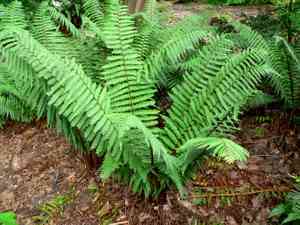
Alpine wood fern introduces a vibrant, verdant component to any garden, elevating its visual charm.
2
This adaptable flora can be integrated into diverse landscape designs, ranging from contemporary to classic.
3
Cultivating Alpine wood fern contributes to better soil health and aids indigenous fauna, promoting ecological diversity.
Introducing Alpine Wood Fern in Garden Design
Overview of Alpine wood fern and its visual charm
To elevate your garden's aesthetic, Alpine wood fern is an excellent choice. This elegant plant, with its delicate, feathery fronds, brings a touch of grace and lushness to any setting. Its rich green hue imparts a sense of calm and freshness to garden areas, making it perfect for creating a tranquil landscape. Moreover, its intricate leaf patterns offer an engaging texture, effectively breaking up monotonous garden beds and adding depth and dimension.
Alpine wood fern's adaptability across various landscape styles
A key characteristic of Alpine wood fern is its adaptability. Whether your garden is cottage-style, modern minimalist, or traditional, Alpine wood fern integrates seamlessly. In cottage gardens, its natural look complements flowering plants and rustic elements. In contemporary settings, its structured yet soft form contrasts beautifully with hardscape features like stone paths and sleek planters. Understanding its versatility helps maximize its aesthetic potential.
Initial considerations before planting Alpine wood fern in your garden
Before planting Alpine wood fern, several factors need consideration. First, assess your region's climate; Alpine wood fern thrives in partial to full shade and moist, well-drained soil. Second, consider its mature size and ensure ample space for growth. Proper spacing promotes health and prevents overcrowding. Lastly, evaluate its potential impact on surrounding plants and features to ensure it enhances, rather than overwhelms, your design.
Utilizing Alpine Wood Fern for Visual Impact
Strategic placement of Alpine wood fern in your outdoor space
To truly maximize Alpine wood fern's visual impact, strategic placement is crucial. Positioning it along shaded garden borders creates a lush, green backdrop that highlights other plants. Alternatively, placing it near water features, like ponds or fountains, enhances the garden's natural feel, as Alpine wood fern thrives in moist conditions. Additionally, using it to line walkways or beneath large trees provides a cohesive, inviting path that draws visitors deeper into the garden.
Combining Alpine wood fern with other plants for a unified look
Achieving a cohesive garden design involves thoughtful plant combinations, and Alpine wood fern pairs beautifully with various plants. Shade-loving perennials, such as hostas and astilbes, can be planted alongside it to create a verdant, textured scheme. Combining Alpine wood fern with shrubs like rhododendrons offers contrasting heights and colors, adding layers to your design. The key is selecting plants that complement the fern's foliage while enhancing overall harmony.
Seasonal considerations for Alpine wood fern in landscape design
While Alpine wood fern is admired for its lush greenery, its seasonal aspects are important. In spring and summer, its fronds are vibrant, providing rich foliage. By autumn, its leaves may brown and die back, offering a different, more subdued appearance. Incorporating Alpine wood fern with evergreens or seasonal flowers ensures year-round visual appeal. Additionally, mulching around its base helps protect roots during colder months, preserving its health for the next season.
Advantages of Selecting Alpine Wood Fern for Your Landscape
Durability and minimal upkeep of Alpine wood fern
Alpine wood fern is renowned for its resilience and low maintenance, making it an excellent choice for both new and experienced gardeners. Once established, it requires minimal watering and is generally resistant to pests and diseases. This hardiness means you can enjoy a beautiful garden feature without constant care, freeing up time for other gardening activities.
Environmental benefits of planting Alpine wood fern
Beyond its aesthetic value, Alpine wood fern offers significant environmental advantages. Its extensive root system plays a crucial role in improving soil structure and reducing erosion. Additionally, it enhances soil fertility by contributing organic matter as its fronds decompose. This natural process fosters healthier soil, which in turn supports a more robust garden ecosystem.
Boosting biodiversity with Alpine wood fern
Planting Alpine wood fern also helps promote biodiversity. Ferns provide habitat and cover for various insects, birds, and small mammals, contributing to a thriving garden ecosystem. This attracts predators that naturally control pest populations, reducing the need for chemical interventions. By incorporating Alpine wood fern, you enhance both aesthetic appeal and local wildlife support.
Design Concepts and Inspiration with Alpine Wood Fern
Gallery of landscaping projects featuring Alpine wood fern
For ideas on integrating Alpine wood fern into your garden, explore various landscaping projects. From Japanese-inspired zen gardens to classic English designs, Alpine wood fern is a central feature in many successful landscapes. Studying these examples can provide creative ideas on how to position and combine it with other elements to achieve a stunning and cohesive look.
Tips for DIY landscaping with Alpine wood fern
If you're planning a DIY approach to landscaping with Alpine wood fern, here are some tips. Start by sketching a rough garden plan, indicating where you'll place the fern. Prepare the soil adequately, ensuring it's rich in organic matter and well-draining. Consider using garden edging to contain the ferns and maintain a neat appearance. Regularly check moisture levels and mulch around plants to conserve water and suppress weeds.
How to select complementary plants and accessories
Choosing the right plants and accessories to complement Alpine wood fern can significantly enhance your garden's design. Opt for shade-tolerant flowers and shrubs that bloom at different times of the year to maintain interest. Accessories like stone lanterns, rustic benches, or decorative water features can also add charm and depth. The key is ensuring all elements work harmoniously, creating a balanced and beautiful outdoor space.



