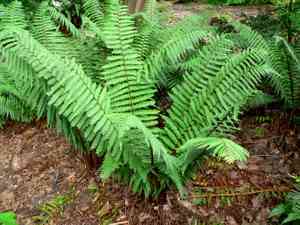
Alpine wood fern (Dryopteris wallichiana)
Also known as: Indian Shield Fern, Wood Fern
**Dryopteris wallichiana**, also known as the alpine wood fern, is a hardy deciduous or semi-evergreen fern from the Dryopteridaceae family. It is indigenous to the Himalayas, Hawaii, Mexico, and Jamaica. This fern typically reaches 90 cm in height, though it can occasionally grow up to 1.8 meters, and spreads to about 75 cm in width. Its pale green tripinnate fronds contrast strikingly with its dark brown ribs. The species name "wallichiana" honors the 19th-century Danish botanist Nathaniel Wallich. Well-regarded in horticulture, it has been awarded the Royal Horticultural Society's Award of Garden Merit.
In This Article
Attributes of Alpine wood fern
Lifespan
Perennial
Plant Type
Herb
Plant Height
90 cm to 1.8 m
Spread
75 cm
Leaf Color
Green Yellow
Flower Size
Not applicable - ferns do not produce flowers
Flower Color
Not applicable - ferns do not produce flowers
Images of Alpine wood fern
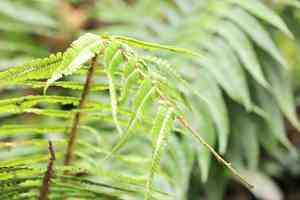
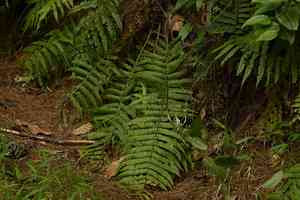
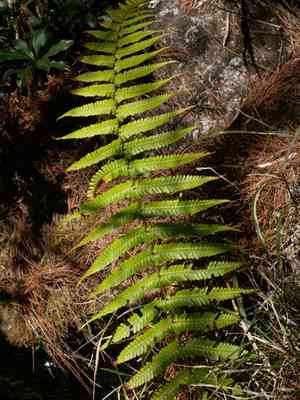
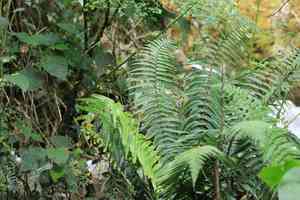
Quickly Identify Alpine wood fern
1
Vase-like growth reaching up to 4 feet (1.2 meters).
2
Fronds pale green with dark brown, scaly ribs.
3
Leaves oblong-lance shaped, leathery, and dark green.
4
Distinct stipes with hair-like scales, 0.2-0.4 inches (5-10 mm) thick.
5
Stipes unfurl to reveal new fronds, no significant branching.
Scientific Classification of Alpine wood fern
Phylum
Vascular plants
Class
Ferns
Order
Polypodiales
Family
Wood fern
Genus
Wood ferns
Species
Alpine wood fern
Planting and Growing of Alpine wood fern
Care Difficulty
Easy
Watering Schedule
Every 3 days
Sunlight Requirements
Partial sun
Sunshine Duration
6-12 hours
Ideal Temperature
60-75℉
Soil Type
Potting Mix, Peat Mix
Soil pH
6.5-7.5
Fertilizer Type
Balanced
Pruning Season
Spring, Summer
Pruning Area
Branches, Leaves
Pruning Frequency
2 times a year
Repotting Season
Spring
Pot Type
Plastic, Ceramic
 How to Water Alpine wood fern?
For Dryopteris wallichiana, it's essential to maintain consistently moist soil without waterlogging. Aim for about 200 mL of water per session, ensuring the soil is evenly moistened, reaching the root zone without water pooling.
What are the symptoms of an underwatered Alpine wood fern?
›
What should I do if my Alpine wood fern is not getting enough water?
›
What are the symptoms of an overwatered Alpine wood fern?
›
How to save an overwatered Alpine wood fern?
›
 What Are the Sunlight Requirements for Alpine wood fern?
The ideal light range for Dryopteris wallichiana is partial sun to full shade. Proper lighting ensures robust growth and the prevention of legginess or color loss in this shade-loving fern species.
More About Sunlight Requirements Techniques→
How can I ensure Dryopteris wallichiana receives optimal light?
›
What measures can I take to achieve this balance?
›
What benefits does optimal lighting provide to Dryopteris wallichiana?
›
 What Is the Ideal Temperature Range for Alpine wood fern?
The ideal temperature range for Dryopteris wallichiana is between 60°F and 75°F. This range provides a stable and suitable environment for growth, mimicking the temperate climates of its native habitats. Consistent temperatures within this range help ensure optimal photosynthesis and nutrient uptake.
 What Soil is Best for Alpine wood fern?
This plant thrives in well-drained soil, preventing root rot and waterlogging. It allows Dryopteris wallichiana to absorb nutrients effectively, promoting healthy frond development and vibrant growth. While drainage is crucial, the soil should retain some moisture to mimic its natural habitat. This balances hydration needs, ensuring the plant doesn’t dry out quickly, thereby supporting lush foliage. Enriched with organic matter, the soil provides essential nutrients and improves texture. This promotes robust root systems and enhances the plant's ability to withstand environmental stress.
 How to Fertilize Alpine wood fern?
For Dryopteris wallichiana, use a balanced fertilizer such as a 10-10-10 NPK. For liquid fertilizer, dilute it to half-strength and apply 250ml per plant each time. Use a slow-release granular fertilizer at a rate of 50g per plant annually.
 How to Prune Alpine wood fern?
Start by identifying the brown or yellow fronds at the base of the plant. Trim these first to allow the plant to focus its energy on healthy, new growth. Make cuts close to the base for the best results. Once the dead fronds are removed, gaze at the overall shape of your fern. Aim to trim any scraggly or excessively long fronds to maintain a balanced, pleasing shape. This enhances its aesthetic appeal while ensuring light reaches all parts of the plant. After pruning, be sure to clean up all the debris around your Dryopteris wallichiana to prevent any potential pests or diseases from taking hold in the leftover plant material.
More About Pruning Techniques→
 How to Propagate Alpine wood fern plant?
1
Before dividing the Dryopteris wallichiana, water the plant thoroughly to ease the removal process and prep the root for a stress-free division.
2
Using a garden fork, gently lift the fern and use a sharp knife to divide the root ball into healthy clumps. Ensure each piece has several buds for successful propagation.
3
Plant each division at the same depth it was initially growing and water each new plant thoroughly to help establish roots in their new location.
 How to Repot Alpine wood fern plant?
1
Dryopteris wallichiana signals its need for repotting when its roots begin to circle around the pot's perimeter or grow out of the drainage holes. Another sign is when growth slows despite proper care, indicating the plant is becoming root-bound and needs more space.
2
Choose a pot that's one size larger than the current one, ideally made of ceramic or plastic to retain moisture. Ensure it has enough drainage holes to allow excess water to escape, preventing root rot and providing the plant's roots with adequate aeration.
3
Opt for a rich, well-draining potting mix composed of equal parts peat, perlite, and compost. This blend ensures that the soil remains moist but not soggy, promoting healthy root growth and nutrient availability.
Toxicity
None
WARNING
The judgment on toxicity and danger is for reference only. We DO NOT GUARANTEE any accuracy of such judgment. Therefore, you SHALL NOT rely on such judgment. It is IMPORTANT TO SEEK PROFESSIONAL ADVICE in advance when necessary.



