How to Transplant Plantain-leaved leopard's-bane?
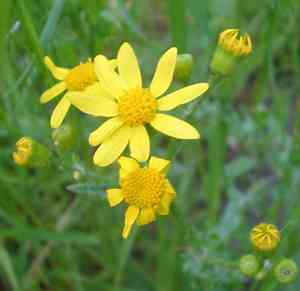
The ideal period for transplanting plantain-leaved leopard's-bane spans from the onset of spring's warmth through the beginning of summer, fostering robust development. Select a location offering dappled sunlight to full sun exposure and damp earth. Carefully acclimate plantain-leaved leopard's-bane to its new environment to lessen stress.
What Preparations are Needed Before Transplanting Plantain-leaved Leopard's-bane?
What is the Ideal Time for Transplanting Plantain-leaved Leopard's-bane?
The optimal period to move plantain-leaved leopard's-bane is from early spring through late spring. This timeframe offers plantain-leaved leopard's-bane the mild conditions necessary for root development, avoiding harsh frosts or intense summer heat. By transplanting during this window, you give plantain-leaved leopard's-bane the best chance to flourish, benefiting from increasing daylight and moderate moisture levels vital for new growth. Cultivate plantain-leaved leopard's-bane at this time, and observe its robust health and vibrant blooms.
How Much Space Should You Leave Between Plantain-leaved Leopard's-bane Plants?
When preparing a new home for plantain-leaved leopard's-bane, proper spacing is key! Aim for a generous area with 12-18 inches (30-46 cm) between each plant. This allows your plantain-leaved leopard's-bane ample room to thrive without crowding its neighbors.
What is the Best Soil Mix for Plantain-leaved Leopard's-bane Transplanting?
For plantain-leaved leopard's-bane, a good start begins with the soil. Select well-draining soil rich in organic matter. Before planting, enrich your garden bed with a balanced, slow-release fertilizer to provide plantain-leaved leopard's-bane with the nutrients it needs to prosper.
Where Should You Relocate Your Plantain-leaved Leopard's-bane?
Choosing the perfect spot for your plantain-leaved leopard's-bane means finding a location that receives partial shade to full sun. An area that gets morning sunlight with afternoon shade, or filtered light throughout the day, would be ideal for your green companion.
What Equipments Should You Prepare Before Transplantation Plantain-leaved Leopard's-bane?
Gardening Gloves
To safeguard your hands while handling soil and plants.
Spade or Garden Trowel
For digging and moving soil around the plantain-leaved leopard's-bane.
Watering Can or Hose
To hydrate the plant before and after its removal.
Pruning Shears
For trimming any damaged roots or foliage as required.
Wheelbarrow or Garden Cart
For transporting the plantain-leaved leopard's-bane if it's large or needs to be moved a distance.
Garden Fork
Useful for loosening the soil around the plant's root system.
Mulch
To help maintain soil moisture and temperature post-transplanting.
How Do You Remove Plantain-leaved Leopard's-bane from the Soil?
How Do You Remove Plantain-leaved Leopard's-bane from the Soil?
From Ground: First, water the plantain-leaved leopard's-bane to moisten the soil. Carefully dig a wide circle around the plant with a spade or garden fork, ensuring not to harm the root ball. Slide the tool beneath the root ball and gently lift the plant from the soil.From Pot: Begin by watering the plantain-leaved leopard's-bane to facilitate removal. Tilt the pot sideways and gently tap it to loosen the root ball. With one hand on the soil, invert the pot and carefully ease the plant out. Support the plant by its base and avoid pulling on the stems.From Seedling Tray: Dampen the soil to prevent root damage. Use a garden trowel or a spoon to carefully scoop out individual plantain-leaved leopard's-bane seedlings by pushing up from the cell's bottom, supporting the seedling by its leaves rather than its more fragile stem.
Step-by-Step Guide for Transplanting Plantain-leaved Leopard's-bane
preparation
Prepare the Transplant Site: Before extracting the plantain-leaved leopard's-bane from its original spot, prepare the new planting hole. It should be wider than the root ball and of equal depth to ensure the plant is not set too deep or too shallow.
remove plant
Remove the plantain-leaved leopard's-bane: Follow the specified method based on whether the plant originates from the ground, a pot, or a seedling tray. Handle the plant with care to prevent damage to its roots and foliage.
placement
Place the plantain-leaved leopard's-bane in Hole: Position the plant in the center of the hole carefully, spreading out its roots if necessary. The plant should sit at the same soil level as it was in its previous location.
soil refill
Refill the Hole: Gently backfill the hole with the removed soil, tamping down around the roots to eliminate air pockets. Do not over-compact the soil as this can hinder water absorption and root growth.
watering
After transplanting, water the plantain-leaved leopard's-bane generously to help settle the soil and provide moisture for the roots. This step is vital for the plant's reestablishment in its new environment.
How Do You Care For Plantain-leaved Leopard's-bane After Transplanting?
monitor growth
Regularly check the plantain-leaved leopard's-bane for signs of new growth or stress and adjust care as needed to support healthy development.
mulching
Apply a layer of mulch around the base of the plantain-leaved leopard's-bane to conserve soil moisture, regulate soil temperature, and suppress weed growth.
staking
If the plantain-leaved leopard's-bane has tall stems or appears unstable, support them with plant stakes or a trellis to encourage upright growth and protect from strong winds.
pruning
Prune any damaged or diseased foliage to direct the plantain-leaved leopard's-bane's energy into establishing its root system and producing new, healthy growth.
supplemental watering
Maintain consistent moisture levels in the soil, especially during dry periods, without overwatering. Ensure the plant receives sufficient water to sustain it while it adapts to its new surroundings.
Troubleshooting Common Issues with Plantain-leaved Leopard's-bane Transplantation.
When is the best time to transplant plantain-leaved leopard's-bane?
The ideal time is from early spring until late spring, once the soil begins to warm.
How much space does plantain-leaved leopard's-bane need between plants?
Aim for a spacing of 12-18 inches (30-45 cm) to allow plantain-leaved leopard's-bane ample room to flourish.
Why is my transplanted plantain-leaved leopard's-bane wilting post-transplant?
Wilting can indicate transplant shock. Ensure consistent soil moisture and shield it from direct midday sun for a period.
Should I amend the soil before transplanting plantain-leaved leopard's-bane?
Yes, enrich the soil with compost or a balanced fertilizer to help plantain-leaved leopard's-bane establish in its new spot.
Can I transplant plantain-leaved leopard's-bane when it's in bloom?
It's best to wait, as flowering plants are more prone to transplant shock. Before or after blooming is ideal.
How deep should I plant plantain-leaved leopard's-bane when transplanting?
Transplant plantain-leaved leopard's-bane so the root ball sits at the same depth it was in its previous location.
What type of light conditions do transplanted plantain-leaved leopard's-bane prefer?
Position plantain-leaved leopard's-bane in a spot with partial shade to full sun, avoiding intense afternoon rays.
What should I do if my transplanted plantain-leaved leopard's-bane shows leaf discoloration?
Leaf discoloration often signals stress. Check for proper watering, drainage, and potential pests.
How should I water plantain-leaved leopard's-bane after transplanting?
Water deeply immediately after transplanting. Then maintain a regular watering schedule without over-saturating.
Why is it important to handle plantain-leaved leopard's-bane's root ball with care?
The root ball is delicate. Handling it gently prevents root damage, ensuring better transplant success.



