How to Propagate Plantain-leaved leopard's-bane?
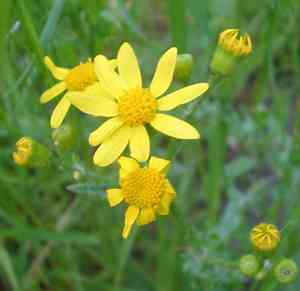
Plantain-leaved leopard's-bane flourishes most effectively when reproduced via the cutting technique. To achieve successful propagation, choose robust, non-blooming stalks and sever them with a keen, sanitized instrument to prevent disease. Verify that the cutting encompasses multiple leaf nodes, which are vital for root formation in water or a porous soil blend abundant in organic material. Sustaining humidity and warmth will considerably boost rooting efficacy and the plant's vigor.
When Is the Best Time to Propagate Plantain-leaved Leopard's-bane?
Propagation Type
Cutting
Propagation Season
Spring,Summer
What Tools Are Used in Plantain-leaved Leopard's-bane Propagation?
Sharp Pruning Shears
These are vital for making clean, accurate cuts from plantain-leaved leopard's-bane, essential for the parent plant's health and the cuttings' viability. Clean cuts help prevent infection and promote faster healing.
Rooting Hormone
This chemical encourages root development from plantain-leaved leopard's-bane cuttings. Applying rooting hormone to the cut base of the cutting fosters quicker establishment and stronger root systems, boosting survival rates.
Sterile Potting Mix
A clean, balanced growing medium is crucial for the successful rooting of plantain-leaved leopard's-bane cuttings. Sterile potting mix prevents disease and supports healthy root growth without competition from weeds or pathogens.
Propagation Trays
These trays help organize and manage plantain-leaved leopard's-bane cuttings efficiently. They should have proper drainage and are often supplemented with humidity domes to maintain the necessary moisture and humidity levels for root development.
Misting Bottle
During the initial stages after cutting, maintaining high humidity around plantain-leaved leopard's-bane is critical. A misting bottle allows for gentle watering that keeps the cuttings moist without waterlogging, which could lead to rot.
How to Propagate Plantain-leaved Leopard's-bane?
Propagation Type
Easy
How to Care for Your Newly Propagated Plantain-leaved Leopard's-bane?
How to Care for Your Newly Propagated Plantain-leaved Leopard's-bane?
After propagation, keep the soil consistently moist but not waterlogged. Place the pot in a location with indirect light where temperatures are moderate. Gradually acclimate the young plant to less humid conditions by removing the plastic cover for increasing intervals over a week. Once established, plantain-leaved leopard's-bane should be transplanted into the garden in a partially shaded spot with well-draining soil.
Common Mistakes to Avoid When Propagating Plantain-leaved Leopard's-bane
Overwatering
When propagating plantain-leaved leopard's-bane, a common error is providing too much water, which can lead to root rot and fungal diseases. This excess moisture compromises root health, crucial for the successful establishment of young plants.
Deep planting
Planting plantain-leaved leopard's-bane's divisions or seeds too deeply can hinder germination and early growth. This mistake limits exposure to necessary air and light, fundamental for sprouting and initial root development.
Overcrowding
Crowding plantain-leaved leopard's-bane cuttings or seedlings too close together can lead to competition for resources such as light, nutrients, and water. This results in weaker plants that are more susceptible to disease and poor development.
Tips For Propagating Plantain-leaved Leopard's-bane
Appropriate soil mix
Use a well-draining soil mix for plantain-leaved leopard's-bane that promotes healthy root growth and prevents waterlogging. Incorporating perlite or vermiculite can improve drainage and aeration, enhancing root development and overall plant health.
Optimal depth
Plant plantain-leaved leopard's-bane's seeds or root divisions at an optimal shallow depth. This ensures that they have ample access to the surface-level moisture and light they need to establish themselves.
Space management
Providing adequate space between plantain-leaved leopard's-bane seedlings or divisions is crucial. It allows individual plants enough room to grow without competition, facilitating better air circulation, light penetration, and resource access.



