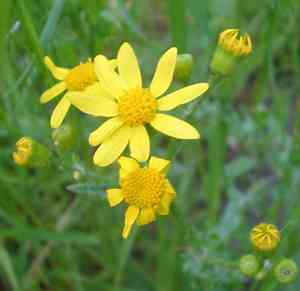
Plantain-leaved leopard's-bane (Doronicum plantagineum)
Also known as: Leopard's bane
Plantain-leaved leopard's-bane, scientifically known as Doronicum pardalianches, is the most frequently found variety of Leopard's-bane. It is often confused with other hybrids but stands out due to its fewer glandular hairs, rather than having long non-glandular hairs. This perennial herb blooms in the spring and summer.
In This Article
Attributes of Plantain-leaved leopard's-bane
Lifespan
Perennial
Plant Type
Herb
Plant Height
80 cm
Spread
30 cm to 50 cm
Leaf Color
Green Blue
Flower Size
5 cm
Flower Color
Yellow
Images of Plantain-leaved leopard's-bane
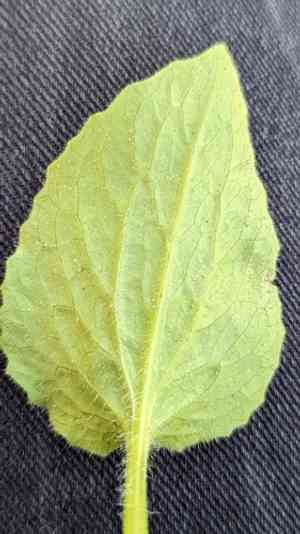
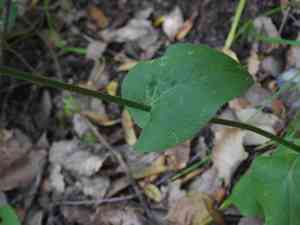
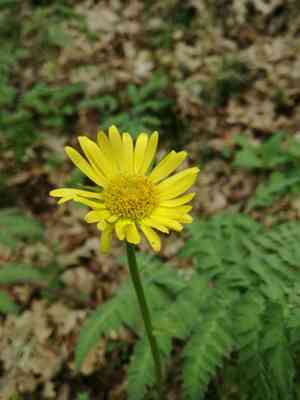
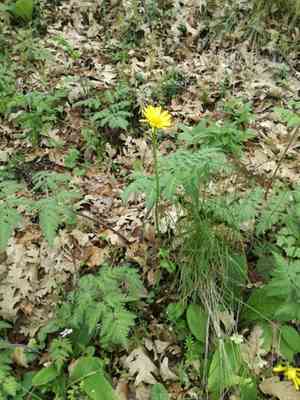
Quickly Identify Plantain-leaved leopard's-bane
1
The plant can be identified by its large, ovate leaves which are usually basal, and its bright yellow flowers with numerous rays surrounding a central disk. The flower stems are typically covered with fine hairs.
Scientific Classification of Plantain-leaved leopard's-bane
Phylum
Vascular plants
Class
Dicotyledons
Order
Asterales
Family
Daisy
Genus
Leopard's banes
Species
Plantain-leaved leopard's-bane
Planting and Growing of Plantain-leaved leopard's-bane
Care Difficulty
Easy
Watering Schedule
Every 4 days
Sunlight Requirements
Full sun
Sunshine Duration
6-10 hours
Ideal Temperature
50-68℉
Soil Type
Potting Mix, Peat Mix
Soil pH
6.5-7.5
Fertilizer Type
Balanced
Pruning Season
Spring, Summer
Pruning Area
Branches, Leaves
Pruning Frequency
2 times a year
Repotting Season
Spring
Pot Type
Terracotta, Plastic
 How to Water Plantain-leaved leopard's-bane?
For Doronicum plantagineum, ensure the soil remains moist but not waterlogged. Water the plant until water starts to drain from the bottom of the pot, approximately 500 ml per session. Test the moisture level by sticking your finger into the soil; if the top 2 inches are dry, it's time to water.
What are the symptoms of an underwatered Plantain-leaved leopard's-bane?
›
What should I do if my Plantain-leaved leopard's-bane is not getting enough water?
›
What are the symptoms of an overwatered Plantain-leaved leopard's-bane?
›
How to save an overwatered Plantain-leaved leopard's-bane?
›
 What Are the Sunlight Requirements for Plantain-leaved leopard's-bane?
Doronicum plantagineum flourishes best in areas categorized by partial to full sun exposure. This lighting fosters robust growth, vibrant blooms, and overall plant vigor, enhancing its decorative appeal.
Ideal Duration of Sunlight
›
Optimal Sunlight Intensity
›
Consistent Sunlight Exposure
›
 What Is the Ideal Temperature Range for Plantain-leaved leopard's-bane?
Doronicum plantagineum thrives best in a temperature range of 50°F to 68°F. This range provides the optimal conditions for photosynthesis and growth. Maintaining this temperature helps avoid stress on the plant, ensuring vibrant and healthy foliage.
 What Soil is Best for Plantain-leaved leopard's-bane?
Doronicum plantagineum thrives in soils that are well-drained, allowing excess water to escape and preventing root rot. This is essential for maintaining healthy root systems and ensuring vigorous growth. While well-drained, the soil should retain enough moisture to keep the plant hydrated during dry spells. This balance is crucial to prevent stress and promote continuous blooming. The plant flourishes in nutrient-rich soils, which provide the essential minerals required for robust foliage and vibrant flowers. Amending the soil with organic matter enhances its fertility and structure.
 How to Fertilize Plantain-leaved leopard's-bane?
For Doronicum plantagineum, a balanced approach works best. Use a liquid fertilizer diluted to about half of the recommended strength. Ensure that the soil is moist before applying to prevent root burn.
 How to Prune Plantain-leaved leopard's-bane?
Start by inspecting the plant for dead or damaged leaves and stems, and remove them first. Next, cut away spent flower heads to encourage further blooming. Use sharp, clean shears to make clean cuts just above a healthy leaf node or bud. Work your way from the top downwards, ensuring not to remove more than one-third of the plant at a time to avoid undue stress. After pruning, ensure your Doronicum plantagineum has access to sufficient sunlight and water. This aids in recovery and promotes new growth. A balanced, slow-release fertilizer can also be applied following pruning to provide nutrients that support regeneration.
More About Pruning Techniques→
 How to Propagate Plantain-leaved leopard's-bane plant?
1
Before sowing, soak the seeds in water for 12 hours to soften the shell. This helps to speed up the germination process and enhances the seedling's vitality.
2
Sow the seeds in a tray filled with a mix of potting compost and sand. Maintain a thin layer of the mix over the seeds and water gently to avoid displacement.
3
In early spring, dig up a mature Doronicum plant and gently separate the root clump into sections using a sharp spade or knife. Replant each section ensuring adequate spacing.
 How to Repot Plantain-leaved leopard's-bane plant?
1
Repot Doronicum plantagineum when you see signs like roots growing out of the drainage holes or stunted growth. Ideally, repotting should be done during spring or early summer when the plant is actively growing, allowing it to adjust to its new environment more swiftly.
2
Select a pot that is slightly larger than the previous one, allowing extra space for root growth. Ensure the pot has adequate drainage holes to prevent waterlogged soil. A well-drained pot minimizes the risk of root rot and encourages healthy growth.
3
Opt for a well-draining, loamy soil mix for Doronicum plantagineum. The right soil retains enough moisture for growth but also allows excess water to escape, preventing the roots from sitting in water. This balances hydration and aeration, fostering a robust plant.
Learn More About Plantain-leaved leopard's-bane Diseases
Anthracnose
Bacterial Leaf Spot
Bacterial Soft Rot
Bacterial Wilt
Black Spot
Chemical Injury
Crown Gall
Cyst Nematode
Damping-off
Downy Mildew
Drought Stress
Fusarium Wilt
Gray Mold
Leaf Curl
Leaf Spot
Mosaic
Nutrient Deficiency
Nutrient Toxicity
Powdery Mildew
Root Rot
Root-knot Nematode
Rusts
Sooty Mold
Spider Mites
Temperature Stress
Thrips Damage
White Mold



