How to Prune Plantain-leaved leopard's-bane?
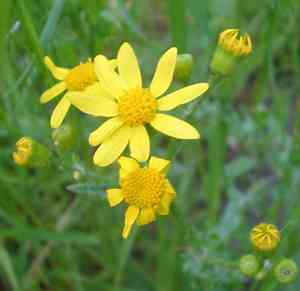
This enduring herbaceous species, recognized for its vibrant yellow blossoms and expansive foliage, flourishes with little upkeep. Trim 'plantain-leaved leopard's-bane' by removing faded flowers during the spring season to stimulate a subsequent bloom. Throughout the summer, snip off any decaying leaves, which fosters robust development and a neat look. Trimming during periods of active development aids in preserving vitality and deters self-propagation, guaranteeing a regulated distribution within the garden.
What Are the Benefits of Pruning Plantain-leaved Leopard's-bane?
What Are the Benefits of Pruning Plantain-leaved Leopard's-bane?
Trimming plantain-leaved leopard's-bane promotes robust new development and helps preserve its desired form. Strategic cuts invigorate the plant, resulting in lush foliage and strong vitality.
What Is the Best Time for Pruning Plantain-leaved Leopard's-bane?
What Is the Best Time for Pruning Plantain-leaved Leopard's-bane?
The optimal period to prune plantain-leaved leopard's-bane is in late spring, once its flowering cycle concludes. Trimming in early summer enables gardeners to remove spent blossoms, encouraging a second bloom and maintaining the plant's shape. Pruning during this timeframe aligns with plantain-leaved leopard's-bane's growth pattern to ensure its vigor and health, as early pruning might remove developing buds, and late-season pruning could hinder its preparation for dormancy. Trimming at the recommended time aids in disease prevention by allowing wounds to heal during active growth.
What Tools Do I Need to Prune Plantain-leaved Leopard's-bane?
Bypass Pruners
For plantain-leaved leopard's-bane, bypass pruners are an excellent choice for making clean cuts on the stems. These are especially suited for cutting through live plant material without causing unnecessary damage to the plant tissues.
Pruning Shears (Scissors)
Pruning shears, or hand pruners, are useful for deadheading plantain-leaved leopard's-bane after blooming. They allow for precise control and are ideal for snipping off spent flower heads to encourage further blooming and prevent self-seeding if that is not desired.
Gloves
While plantain-leaved leopard's-bane is not known for sharp foliage, gloves are still recommended to protect the gardener's hands from dirt, accidental cuts, or any plant sap that may cause irritation.
How to Prune Plantain-leaved Leopard's-bane
Disinfect tools
Before starting, sterilize your pruning shears with a solution of 1 part bleach to 9 parts water to prevent the spread of disease to plantain-leaved leopard's-bane.
Remove diseased leaves
Carefully trim away any leaves on plantain-leaved leopard's-bane that show signs of disease, cutting them off at the base where they meet the stem. Be sure to catch and dispose of the diseased material to prevent infection spread.
Trim withered leaves
Identify and remove any withered or dead leaves by cutting them cleanly at the base where the leaf's stem meets the main plant stem. These could harbor pests or diseases that could affect the health of plantain-leaved leopard's-bane.
Cut diseased stems
Locate any stems on plantain-leaved leopard's-bane that appear diseased. Make your cuts at least an inch below the affected area, back to healthy tissue, ensuring that the remaining stem is vibrant and disease-free.
Clean up
After pruning plantain-leaved leopard's-bane, clean up all the trimmed material from the ground to prevent it from decomposing nearby, which could attract pests or cause disease to develop in the soil.
Common Pruning Mistakes with Plantain-leaved Leopard's-bane
Overzealous Pruning
Removing too much foliage or too many flowers at once can shock plantain-leaved leopard's-bane, leading to poor plant health and reduced flowering.
Pruning at the Wrong Stage
Cutting back plantain-leaved leopard's-bane when buds are forming can result in the loss of the current season's blooms.
Neglecting Deadheading
Failing to remove spent flowers can lead to a decline in vigor and appearance, as plantain-leaved leopard's-bane may expend energy on seed production instead of growth and future blooms.
Inadequate Tool Sanitation
Using dirty pruning tools can spread disease from plant to plant, affecting the overall health of plantain-leaved leopard's-bane.
Ignoring Plant Shape
Random or uneven pruning without considering the natural shape of plantain-leaved leopard's-bane can lead to an unsightly appearance and uneven growth.
Common Pruning Tips for Plantain-leaved Leopard's-bane
Selective Pruning
Carefully prune away only the dead or damaged foliage to maintain the health and aesthetic of plantain-leaved leopard's-bane, ensuring you do not cut into healthy tissue unnecessarily.
Deadheading
Regularly remove spent blooms of plantain-leaved leopard's-bane to promote new growth and prolong the flowering period.
Use Clean Cuts
Make clean, angled cuts to prevent damage and disease, and ensure pruning tools are sharp and sanitized before use.
Maintain Plant Structure
When pruning, aim to maintain the natural habit of plantain-leaved leopard's-bane for a pleasing appearance and to support healthy growth patterns.
Monitor Plant Response
After pruning plantain-leaved leopard's-bane, observe the plant's response for signs of new growth or any issues to determine the success of your pruning strategy and make necessary adjustments.



