How to Transplant Desert Saltgrass?
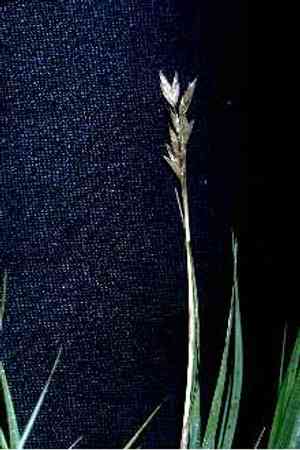
Spring, a period of vigorous new development, presents a perfect opportunity for relocating desert Saltgrass, allowing it to adapt prior to the intense summer heat. Choose a location that receives ample sunlight and drains effectively, and if improving infertile ground, contemplate enriching it with organic material for optimal outcomes.
What Preparations are Needed Before Transplanting Desert Saltgrass?
What is the Ideal Time for Transplanting Desert Saltgrass?
The optimal period for relocating desert Saltgrass is during the revitalizing phase of early to mid-spring. Moving it in spring leverages natural growth cycles, enhancing root establishment and overall success. This timing allows desert Saltgrass to settle into its new spot with the entire growing season ahead. Thoughtful transplanting in mild spring conditions can lead to robust, healthy desert Saltgrass development, ensuring a vibrant and strong presence in your garden.
How Much Space Should You Leave Between Desert Saltgrass Plants?
For desert Saltgrass, ensure adequate spacing for proper development. Ideally, maintain a distance of 2-3 feet (0.6-0.9 meters) between each plant; this enables them to expand and flourish without direct competition for nutrients.
What is the Best Soil Mix for Desert Saltgrass Transplanting?
Desert Saltgrass thrives in saline and well-drained soil for optimal growth. Before planting, incorporate an all-purpose fertilizer into the soil. This provides your desert Saltgrass with an excellent start by enriching the soil with essential nutrients required for growth.
Where Should You Relocate Your Desert Saltgrass?
When selecting a site for your desert Saltgrass, remember it flourishes in full sunlight. Seek out a garden location that receives ample daily sunlight. This will aid its strong and healthy development.
What Equipments Should You Prepare Before Transplantation Desert Saltgrass?
Gardening Gloves
These are essential for protecting your hands while handling the desert Saltgrass plant and working with soil.
Shovel or Spade
These tools are vital for excavating holes for transplanting and for extracting desert Saltgrass from its initial position.
Pruning Shears
These will be utilized for trimming the desert Saltgrass plant’s roots prior to transplantation.
Garden Hose or Watering Can
These will be employed to irrigate the desert Saltgrass plant during the transplantation process.
Mulch
Necessary to help maintain soil moisture and prevent weeds around the desert Saltgrass after transplanting.
Wheelbarrow
Useful for transporting larger desert Saltgrass plants and/or soil.
How Do You Remove Desert Saltgrass from the Soil?
How Do You Remove Desert Saltgrass from the Soil?
From Ground: Start by watering the desert Saltgrass plant to moisten the soil. Then, using a shovel or spade, dig a wide trench around the plant, ensuring the root ball remains undisturbed. Carefully work the spade beneath the root ball to lift the plant from its original spot.From Pot: Begin by watering the desert Saltgrass to ensure the soil is damp. Turn the pot on its side, hold the desert Saltgrass near the base, and gently tap the pot's rim on a firm surface. This should allow the plant and its root ball to slide out.From Seedling Tray: Gently grasp the desert Saltgrass by its leaves, not the stem, and push up the base with a stick if necessary. Always handle desert Saltgrass plants by their leaves to prevent stem damage.
Step-by-Step Guide for Transplanting Desert Saltgrass
Preparation
Prepare the new planting site before extracting the desert Saltgrass from its current location. The hole should be deep enough to accommodate the root ball and wide enough for root expansion.
Root Trimming
Use pruning shears to trim the roots of the desert Saltgrass plant. This will encourage the plant to develop new roots once it has been transplanted.
Placing the Plant
Position the desert Saltgrass in the prepared hole. The top of the root ball should be level with or slightly above the surrounding soil surface.
Backfilling
Refill the hole with soil, gently firming it around the roots.
Watering
Water the desert Saltgrass immediately after planting. The water will help settle the soil around the roots.
Mulching
Apply a layer of mulch around the plant's base to help retain moisture and suppress weeds.
How Do You Care For Desert Saltgrass After Transplanting?
Watering
Maintain a consistent watering schedule for desert Saltgrass, ensuring the soil remains moist but not waterlogged for the initial weeks post-transplantation.
Pruning
Remove any dead or dying foliage to help the desert Saltgrass redirect its energy towards new growth.
Monitoring
Watch for any indications of transplant shock, such as wilting leaves or stunted growth. If these symptoms appear, consider consulting a local nursery or an online resource.
Pest Control
Be vigilant for pests and diseases that could harm your newly transplanted desert Saltgrass. Employing an organic or chemical pest control method can help keep your plants healthy.
Frost Protection
If an unexpected late frost is predicted, use a lightweight sheet or a frost blanket to shield your new desert Saltgrass plants. Avoid using plastic as it can intensify the cold.
Troubleshooting Common Issues with Desert Saltgrass Transplantation.
When is the best time to transplant desert Saltgrass?
The optimal period to transplant desert Saltgrass is during the first three seasons of the year or S1-S3. This promotes better root establishment.
What is the optimal distance between each desert Saltgrass plant during transplantation?
You should aim to space each desert Saltgrass plant approximately 2-3 feet (0.6 - 0.9 meters) apart. This encourages healthy growth and airflow.
What sort of soil conditions does desert Saltgrass require for transplantation?
Desert Saltgrass thrives in well-drained soils. Enrich your soil with organic compost before transplanting for best results.
What sunlight condition is ideal for desert Saltgrass after transplanting?
Desert Saltgrass loves full sun. After transplanting, place the plants in an area where they will receive at least 6-8 hours of direct sunlight.
How should the hole be prepared for transplanting desert Saltgrass?
The hole should be wide and deep enough to comfortably accommodate desert Saltgrass's root ball. Roughen the sides and bottom of the hole to aid root penetration.
How much water is needed after planting desert Saltgrass?
Water thoroughly following planting, ensuring the entire root zone is moist. Continue regular watering to establish desert Saltgrass, but avoid overwatering to prevent root rot.
What care should be taken when removing desert Saltgrass from its current pot for transplanting?
Remove desert Saltgrass with care to avoid damage. Gently loosen the roots if they're pot-bound, and keep as much original soil with the roots as possible.
Can I use fertilizer immediately after transplanting desert Saltgrass?
Wait a few weeks before applying fertilizer. It could damage the roots if applied immediately after transplanting. Start with a slow-release or organic fertilizer.
How deep should desert Saltgrass be placed in the ground during transplanting?
Desert Saltgrass needs to be planted at the same depth it was in its original pot or location. Planting it too deep can cause stem rot.
What post-transplant maintenance is needed for desert Saltgrass?
Regular watering and early pruning help desert Saltgrass establish faster after transplantation. Monitor for pests and diseases regularly and take prompt action if any are detected.



