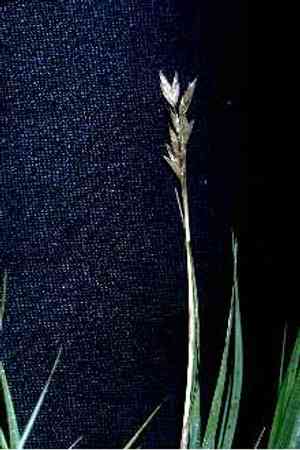
Desert Saltgrass (Distichlis spicata)
Also known as: Inland Saltgrass, Alkali Saltgrass, Marsh Spikegrass
Desert Saltgrass (*Distichlis spicata*) is a robust perennial grass adept at thriving in highly saline conditions. It is indigenous to both North America and South America.
In This Article
Attributes of Desert Saltgrass
Lifespan
Perennial
Plant Type
Herb
Plant Height
10 cm to 61 cm
Spread
1 m to 5 m
Leaf Color
Green
Flower Size
8 cm to 10 cm
Flower Color
Yellow Green
Images of Desert Saltgrass
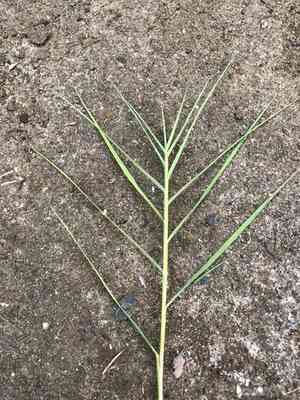
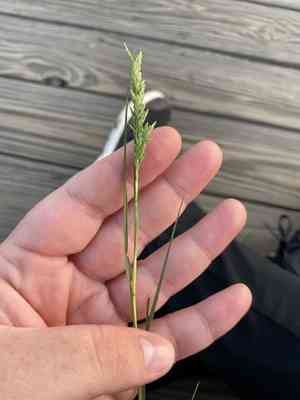
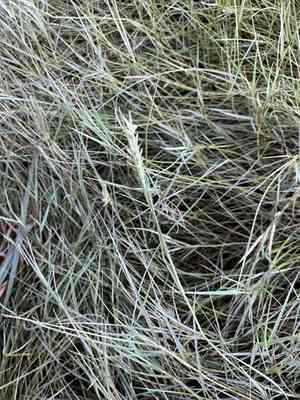
Quickly Identify Desert Saltgrass
1
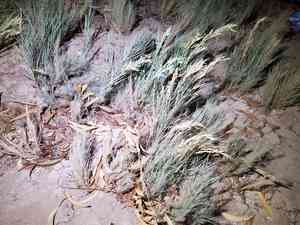
Saltgrass can be identified by its coarse, wiry stems, and narrow, flat leaves. The grass typically forms dense mats and spreads via rhizomes. The flowers are small and inconspicuous, often greenish in color.
Scientific Classification of Desert Saltgrass
Phylum
Vascular plants
Class
Monocotyledons
Order
Poales
Family
Grass
Genus
Distichlis
Species
Desert Saltgrass
Planting and Growing of Desert Saltgrass
Care Difficulty
Easy
Watering Schedule
Every 2 days
Sunlight Requirements
Full sun
Sunshine Duration
4-8 hours
Ideal Temperature
60-85℉
Soil Type
Potting Mix, Peat Mix
Soil pH
6.5-9
Fertilizer Type
Balanced
Pruning Season
Spring, Summer
Pruning Area
Branches, Leaves
Pruning Frequency
2 times a year
Repotting Season
Spring
Pot Type
Plastic, Ceramic
 How to Water Desert Saltgrass?
When watering Distichlis spicata, ensure that you give about 200 milliliters of water per session. This amount helps in maintaining adequate moisture levels without oversaturating its roots. It is important to water until the soil is evenly moist but not soaking wet, mimicking its natural marshy environment.
What are the symptoms of an underwatered Desert Saltgrass?
›
What should I do if my Desert Saltgrass is not getting enough water?
›
What are the symptoms of an overwatered Desert Saltgrass?
›
How to save an overwatered Desert Saltgrass?
›
 What Are the Sunlight Requirements for Desert Saltgrass?
Distichlis spicata prefers full sun, finding optimal growth conditions in environments that provide 6 to 8 hours of direct sunlight daily. Full sun conditions enhance its growth and resistance to stressors.
More About Sunlight Requirements Techniques→
What is the ideal amount of sunlight?
›
What are some solutions for achieving ideal lighting?
›
What benefits come from achieving ideal sunlight?
›
 What Is the Ideal Temperature Range for Desert Saltgrass?
Distichlis spicata thrives best in environments where temperatures are consistently between 60°F to 85°F. This range provides the optimal warmth for metabolic processes, contributing to healthy growth and photosynthesis. Ensuring temperatures within this span can help maintain vibrant foliage and robust plant health.
 What Soil is Best for Desert Saltgrass?
Distichlis spicata thrives in well-drained soils. Proper drainage prevents root rot and supports healthy growth, as this plant is adapted to environments where water drains away quickly. This plant is highly tolerant of saline conditions, making it ideal for coastal areas. High salinity can inhibit other plants, but Distichlis spicata utilizes these conditions to thrive where competition is minimal. While it can tolerate poor soils, the presence of essential nutrients like nitrogen and potassium enhances its growth. Balanced fertilization can aid in its establishment and increase resilience against environmental stressors.
 How to Fertilize Desert Saltgrass?
When fertilizing Distichlis spicata, it is crucial to apply a balanced fertilizer with the correct nitrogen, phosphorus, and potassium ratio. A general recommendation is to use about 0.5 pounds of actual nitrogen per 1,000 square feet annually.
 How to Prune Desert Saltgrass?
Start by identifying any dead or discolored stems and leaves. Remove these first to encourage healthier growth. Then, trim back the longer stems to your desired shape, focusing on maintaining a uniform silhouette. If the grass has become overgrown, prune progressively over several months. While pruning, examine the plant closely for any signs of pest infestations or disease. Address any issues immediately to prevent spread. Hand-pulling weeds or applying appropriate treatments may be necessary.
More About Pruning Techniques→
 How to Propagate Desert Saltgrass plant?
1
Use well-draining soil mixed with sand or perlite to enhance aeration, as Distichlis spicata prefers such conditions for optimal growth. Ensure the pH is neutral to slightly alkaline.
2
Distribute seeds evenly on the soil surface, cover lightly with a thin layer of soil, and water gently. Positioning in indirect sunlight fosters better germination.
3
Carefully uproot a mature clump, ensuring minimal root damage, then separate the clump into smaller sections, each with ample roots, for replanting.
 How to Repot Desert Saltgrass plant?
1
Distichlis spicata should be repotted when you notice stunted growth, roots poking through the drainage holes, or soil that stays wet for too long. Repot in spring or early summer to help the plant acclimate to the new environment. Repotting during these seasons gives the plant enough time for root development.
2
Select a pot that provides adequate drainage and is slightly larger than the current one. Opt for a wider pot to accommodate the spreading rhizomes typical of Distichlis spicata. Good drainage prevents root rot and supports healthy root development by allowing water and air circulation.
3
Choose a sandy-loam soil mixture to provide Distichlis spicata with excellent drainage and moderate nutrient retention. This soil type mimics its natural coastal and salt marsh habitat, promoting healthier growth and preventing waterlogging. The coarse texture ensures proper aeration and moisture control.



